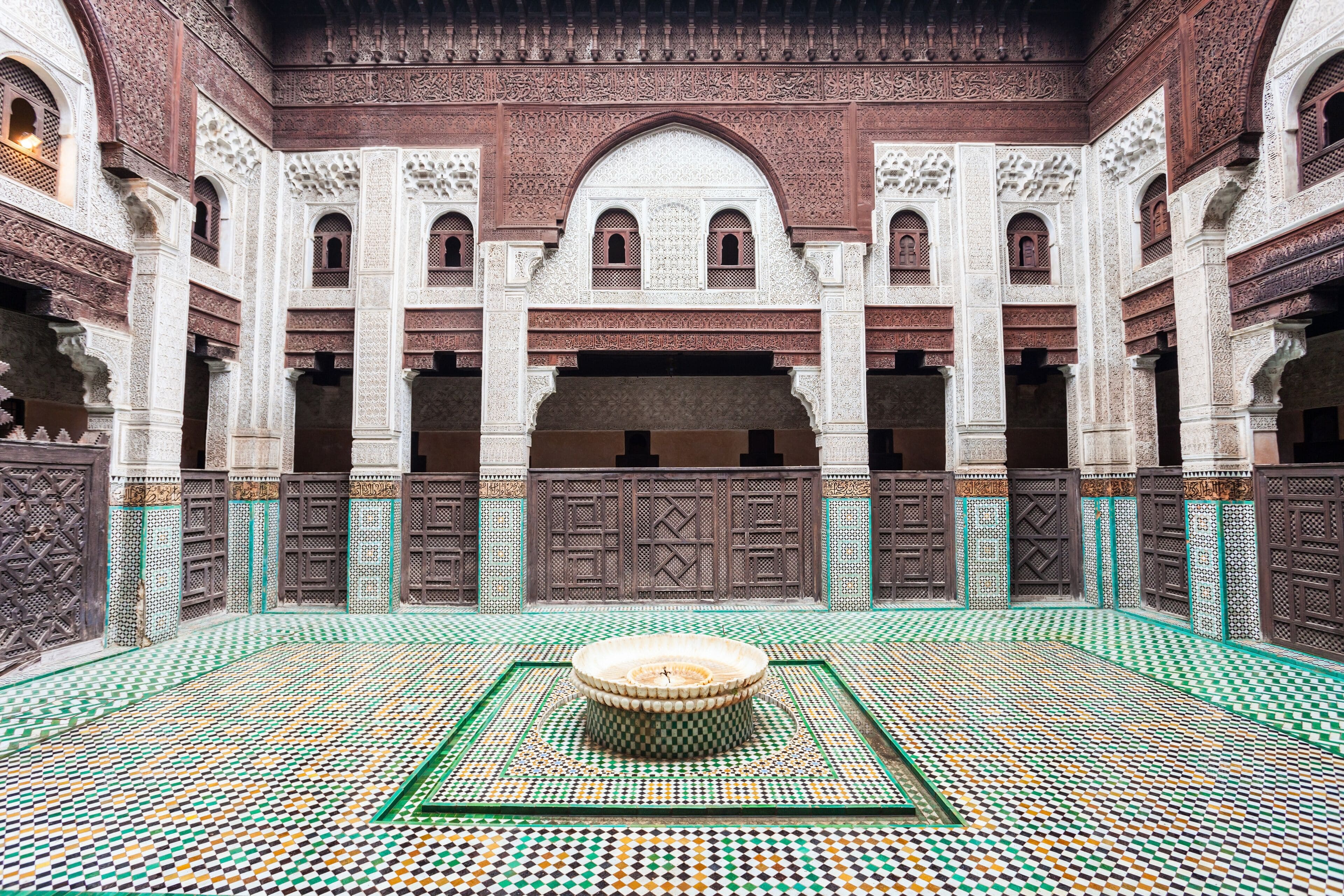
Madrasa
Bou Inania Madrasa
Fès el-Bali
A landmark Marinid madrasa in the heart of Fès el-Bali, celebrated for its carved cedar, intricate stucco, zellij, marble and onyx decoration.
45 to 60 minutesFrom 20 MADExplore
فاس · Fès · Fes
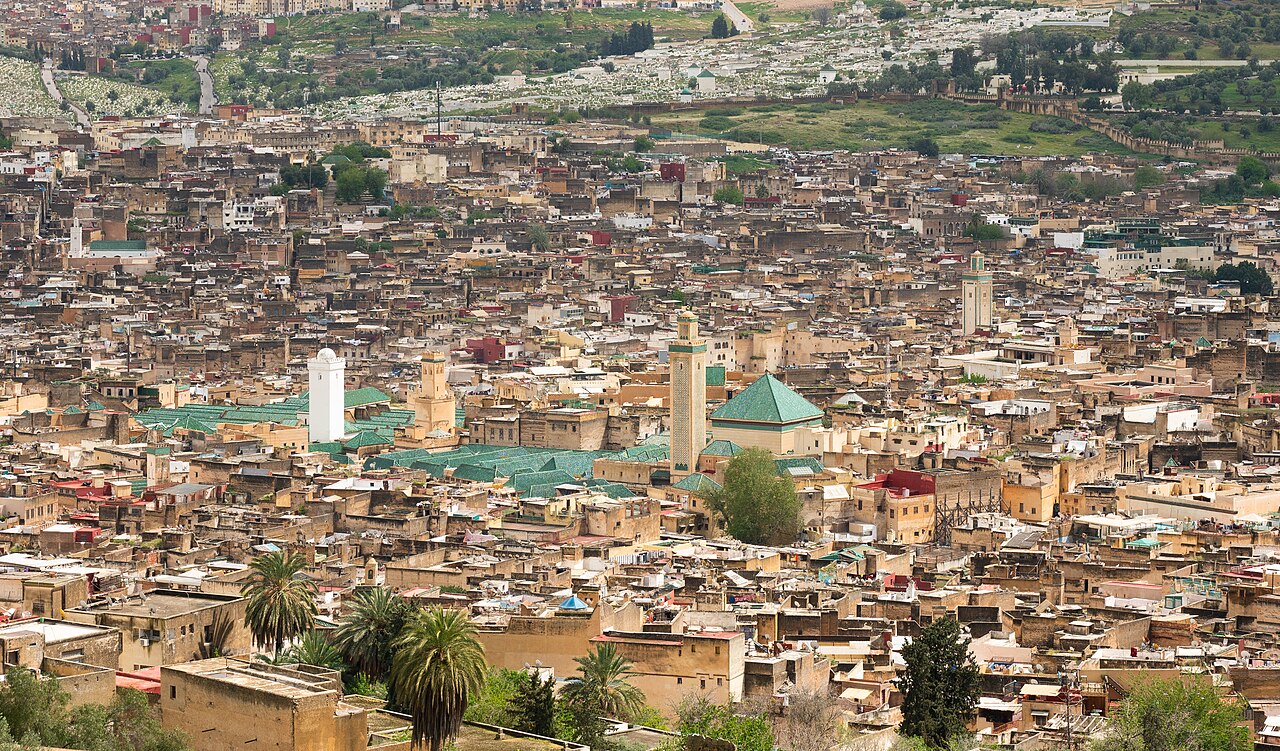
Morocco's cultural and spiritual heart, where a living medieval medina, master craftsmanship and centuries of scholarship still shape everyday life.
Destination snapshot
Fès-Meknès, Morocco
Ideal stay
2–4 days
Daily budget
350 MAD–1,900 MAD / day
Best time
March–May and September–November offer the best balance for medina walking,…
Languages
Moroccan Arabic (Darija) · French · Modern Standard Arabic
Stays from
850 MAD / night
Region
Fès-Meknès, Morocco
At a glance
Explore Fez through its UNESCO-listed medina, historic madrasas, working craft quarters, traditional riads and distinctive Fassi cuisine — one of Morocco's deepest destinations for culture, architecture and local life.
Fez is one of Morocco's four imperial cities and the country's most immersive destination for travelers interested in…
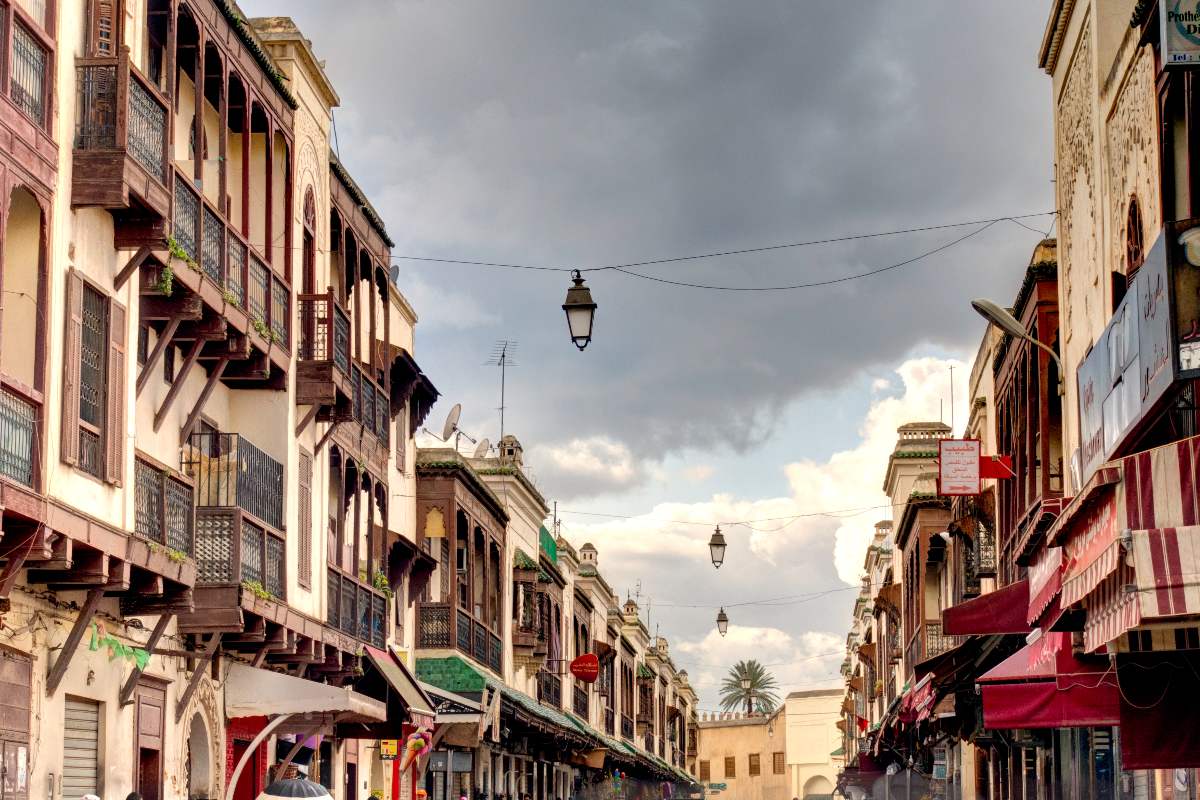
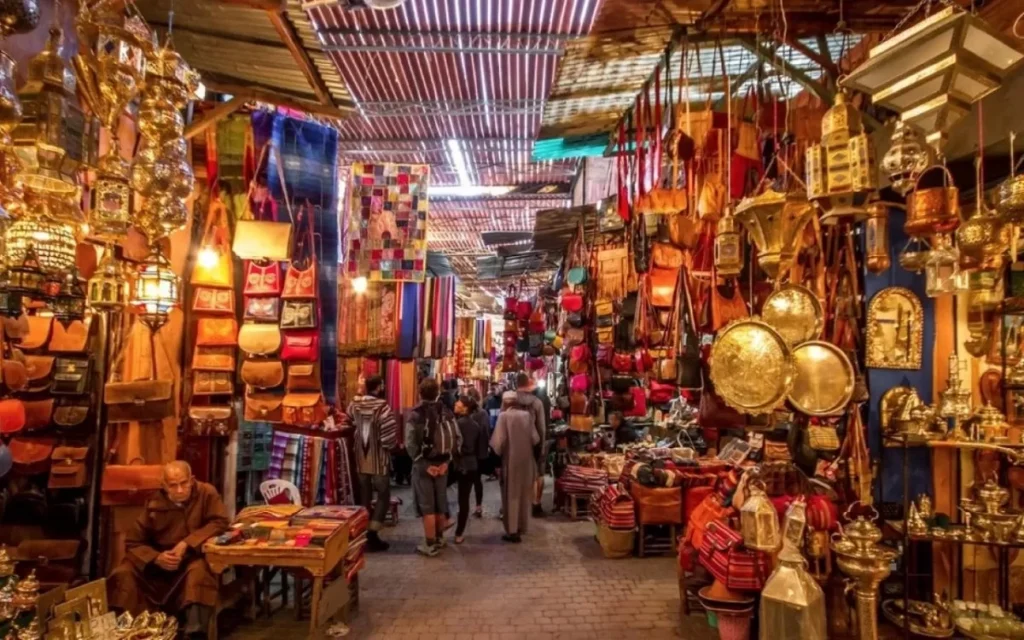
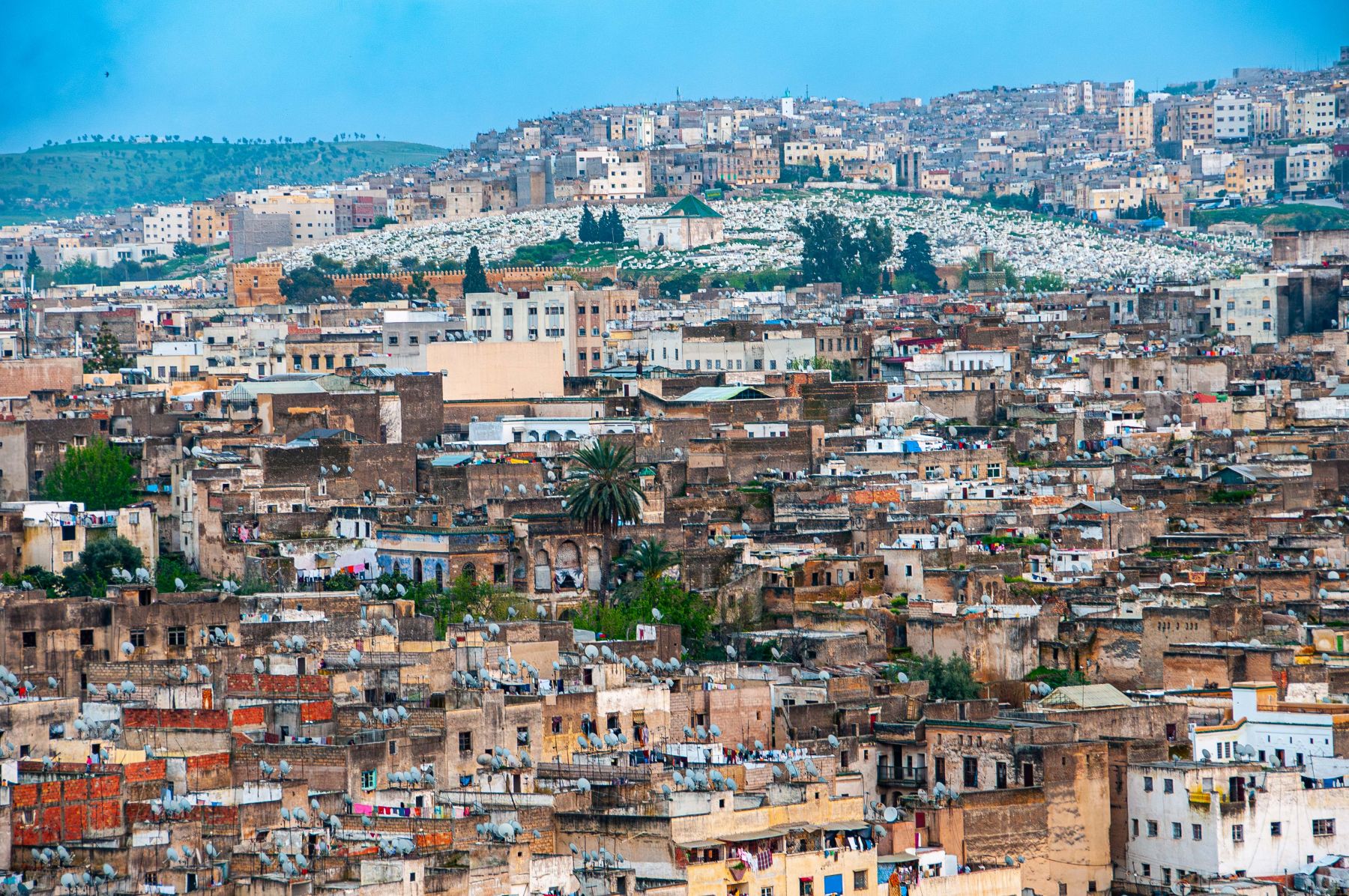
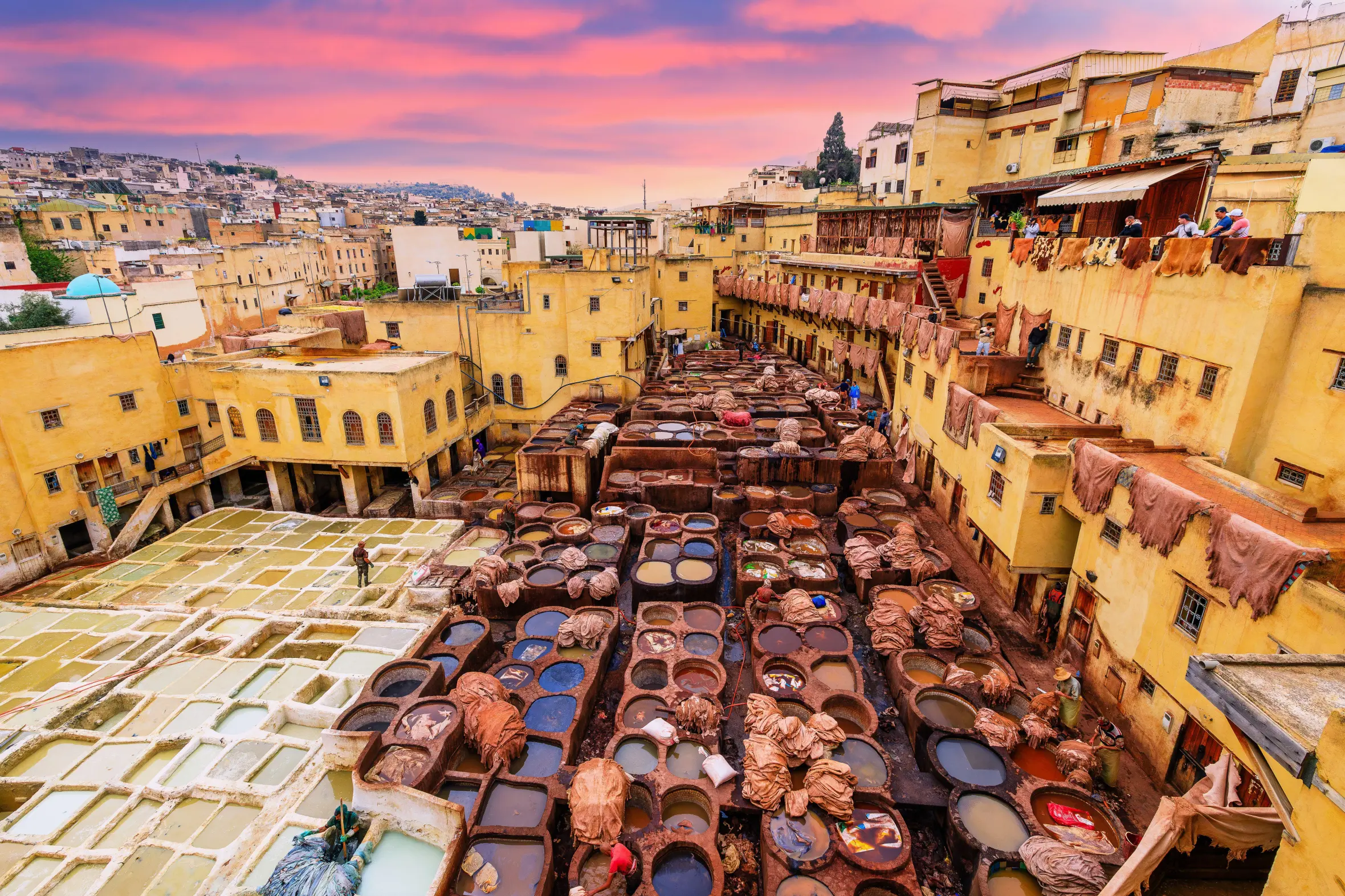
Fez is one of Morocco's four imperial cities and the country's most immersive destination for travelers interested in history, architecture, craftsmanship and traditional urban life. Its historic core, the Medina of Fez, was founded in the 9th century and reached a major period of prosperity under the Marinids in the 13th and 14th centuries. Today it remains a living city rather than an open-air heritage set: homes, workshops, souks, mosques, madrasas, fountains and fondouks continue to share the same dense urban fabric. Most first-time visitors come for Fès el-Bali, the vast UNESCO-listed old medina. Its narrow pedestrian lanes connect the Bou Inania and Al-Attarine madrasas, Al-Qarawiyyin quarter, Nejjarine, traditional souks and craft workshops including leather, copper, wood, weaving, ceramics and zellige. The experience can feel intense at first because orientation is difficult and vehicle access is extremely limited, but this complexity is also what gives Fez its unusual sense of continuity. Fez is more than the medina. Fès el-Jdid adds the Royal Palace, Mellah and Jnan Sbil Gardens, while Ville Nouvelle provides railway access, modern hotels, cafés and everyday city services. Fez also makes a useful base for exploring Meknes, Volubilis, Moulay Idriss and the Middle Atlas around Ifrane. Travelers should approach Fez slowly. Rather than trying to collect attractions, allow time for walking, food, crafts, rooftop views and ordinary street life. Two full days provide a useful introduction, while three or four days allow the city to reveal considerably more.
Known for
Best for
9 practical points — tap to read
Plan smarter
The full guide is here without forcing you through walls of text. Tap a card for the detail relevant to your trip.
Choose a trip length to see a realistic pace.
2 days
Spend one full day understanding Fès el-Bali, its madrasas, souks, tanneries and craft quarters; use the second for Fès el-Jdid, the Mellah, Jnan Sbil and a relaxed rooftop dinner.
3 days
Add slower medina exploration, a museum, cooking class or food experience, hammam or craft workshop, and a sunset viewpoint without rushing the major sights.
4 days
Keep three days for Fez and use one full day for Meknes, Volubilis and Moulay Idriss, or choose Ifrane and the Middle Atlas for a completely different landscape.
March–May and September–November offer the best balance for medina walking, with generally milder temperatures than high summer. Spring is particularly pleasant; September can still be hot, while late autumn becomes cooler and wetter.
Fez has hot, dry summers and cool, wetter winters, with large differences between daytime and nighttime temperatures.…
Fez has hot, dry summers and cool, wetter winters, with large differences between daytime and nighttime temperatures. July and August regularly bring average daytime highs around 35–36°C, making long medina walks most comfortable early and late in the day. Winter daytime temperatures are much cooler, with January average highs around 14°C and nights near 5–6°C. Spring and autumn generally offer the most comfortable conditions for intensive sightseeing on foot.
March to May is one of the best periods for Fez. Days move from mild to warm, evenings can still be cool and…
March to May is one of the best periods for Fez. Days move from mild to warm, evenings can still be cool and occasional rain is possible. Excellent for long medina walks, gardens, architecture and day trips. Carry a light layer and some rain protection.
June to August is hot, with July and August average daytime highs around the mid-30s Celsius and hotter episodes…
June to August is hot, with July and August average daytime highs around the mid-30s Celsius and hotter episodes possible. Start sightseeing early, take a long midday break, choose shaded lanes and riads, drink regularly and resume exploration in late afternoon. Air-conditioning becomes important when choosing accommodation.
September remains warm, while October is one of the most comfortable months for walking. November is noticeably…
September remains warm, while October is one of the most comfortable months for walking. November is noticeably cooler and rainfall becomes more likely. A strong season for food, crafts, photography and day trips.
December to February brings cool days and cold nights by Moroccan standards. Rain is more frequent than in summer and…
December to February brings cool days and cold nights by Moroccan standards. Rain is more frequent than in summer and traditional riads can feel cold if heating is limited. Pack layers and confirm heating when booking accommodation. Clear winter days can be excellent for photography and sightseeing.
Arrival & movement
Fez is accessible by air through Fès-Saïss Airport, by ONCF rail from Morocco's principal northern and central…
Fez is accessible by air through Fès-Saïss Airport, by ONCF rail from Morocco's principal northern and central cities, by intercity coach and by road. Train is especially practical from Casablanca, Rabat and Meknes. Travelers arriving from destinations without convenient rail connections can use CTM/Supratours coaches or private transfers. Most visitors staying inside Fès el-Bali should arrange the final drop-off with their accommodation because vehicles cannot reach many riads directly.
Inside Fès el-Bali, walking is the main form of transport because most historic lanes do not accommodate cars. Petit…
Inside Fès el-Bali, walking is the main form of transport because most historic lanes do not accommodate cars. Petit taxis are useful between medina gates, Fès el-Jdid, Ville Nouvelle, the railway station and other outer districts. For airport transfers or excursions, use a grand taxi, private transfer or driver. Allow extra time: medina walking distances are deceptive and navigation is rarely direct.
Fès-Saïss Airport (FEZ) lies roughly 14–15 km south of central Fez. The official taxi rank is outside the arrivals…
Fès-Saïss Airport (FEZ) lies roughly 14–15 km south of central Fez. The official taxi rank is outside the arrivals area and operates 24 hours a day, seven days a week. ONDA currently publishes a 120 MAD Fès fare on its airport taxi table; travelers should check the displayed official tariff on arrival. Transfers generally take around 20–30 minutes depending on destination and traffic. Travelers staying inside the medina should give the driver the agreed gate or meeting point rather than only the riad name. A budget public-bus connection between the airport and Gare de Fès is commonly operated as Line 16; verify the current schedule locally before relying on it for a flight.
Gare de Fès is in the modern city and is connected to the ONCF national rail network. Direct/intercity services…
Gare de Fès is in the modern city and is connected to the ONCF national rail network. Direct/intercity services connect Fez with Casablanca, Rabat, Meknes and Marrakech, while Tangier is accessible through the northern network and connections. From Gare de Fès, use a petit taxi to Bab Boujloud, Rcif or the specific medina gate recommended by your accommodation. Always check the current ONCF timetable for your travel date.
CTM, Supratours and other intercity operators connect Fez with Moroccan destinations by coach, including useful…
CTM, Supratours and other intercity operators connect Fez with Moroccan destinations by coach, including useful routes where rail is indirect or unavailable. Coaches are particularly relevant for journeys toward destinations such as Chefchaouen and for regional travel. Confirm the exact departure terminal on the ticket because operators may use different depots.
Very high for sightseeing inside the historic core if you are comfortable walking, but physically demanding rather…
Very high for sightseeing inside the historic core if you are comfortable walking, but physically demanding rather than effortless. Fès el-Bali is largely pedestrian and rewards exploration on foot, yet lanes are narrow, uneven, sometimes steep and difficult to navigate. Outside the old city, distances increase and petit taxis become useful. Comfortable walking shoes are essential.
Most of Fès el-Bali cannot be reached by car. Arrange the nearest practical gate or drop-off with your riad before…
Most of Fès el-Bali cannot be reached by car. Arrange the nearest practical gate or drop-off with your riad before arrival and ask whether porter assistance is available for luggage. Bab Boujloud is the easiest western orientation point for many first-time visitors, while Rcif and other gates serve different parts of the medina. Save the accommodation pin and nearest gate offline before arriving.
Explore spatially
Open a marker to move from orientation to a real stay or place.
Choose your base
Choose by atmosphere and access, then compare actual stays.
Best for: First-time visitors, culture lovers, riad stays
Best for: First-time visitors, culture lovers, riad stays
Maximum heritage and atmosphere with most major sights reachable on foot; car-free, labyrinthine and demanding with luggage.
Best for: First-time visitors, couples, short stays
Best for: First-time visitors, couples, short stays
Excellent compromise between medina immersion and easier taxi access; close to Bab Boujloud and Jnan Sbil.
Best for: History, couples, families wanting a calmer base
Best for: History, couples, families wanting a calmer base
Royal Palace and Jewish heritage nearby; generally easier to navigate and less intense than deep Fès el-Bali.
Best for: Families, rail travelers, modern comfort, mobility needs
Best for: Families, rail travelers, modern comfort, mobility needs
Modern hotels, cafés, railway access and much easier vehicle access; requires a short taxi ride to the historic medina.
Best for: Drivers, airport convenience, modern upscale stays
Best for: Drivers, airport convenience, modern upscale stays
Easier parking and road access with less traditional atmosphere; useful when logistics matter more than walking directly into the medina.
Stay in the city
Compare atmosphere, neighborhood and nightly price.
Explore
Visual recommendations stay visible; deeper planning information stays one tap away.
Madrasa
Fès el-Bali
A landmark Marinid madrasa in the heart of Fès el-Bali, celebrated for its carved cedar, intricate stucco, zellij, marble and onyx decoration.
Monument
Fès el-Bali
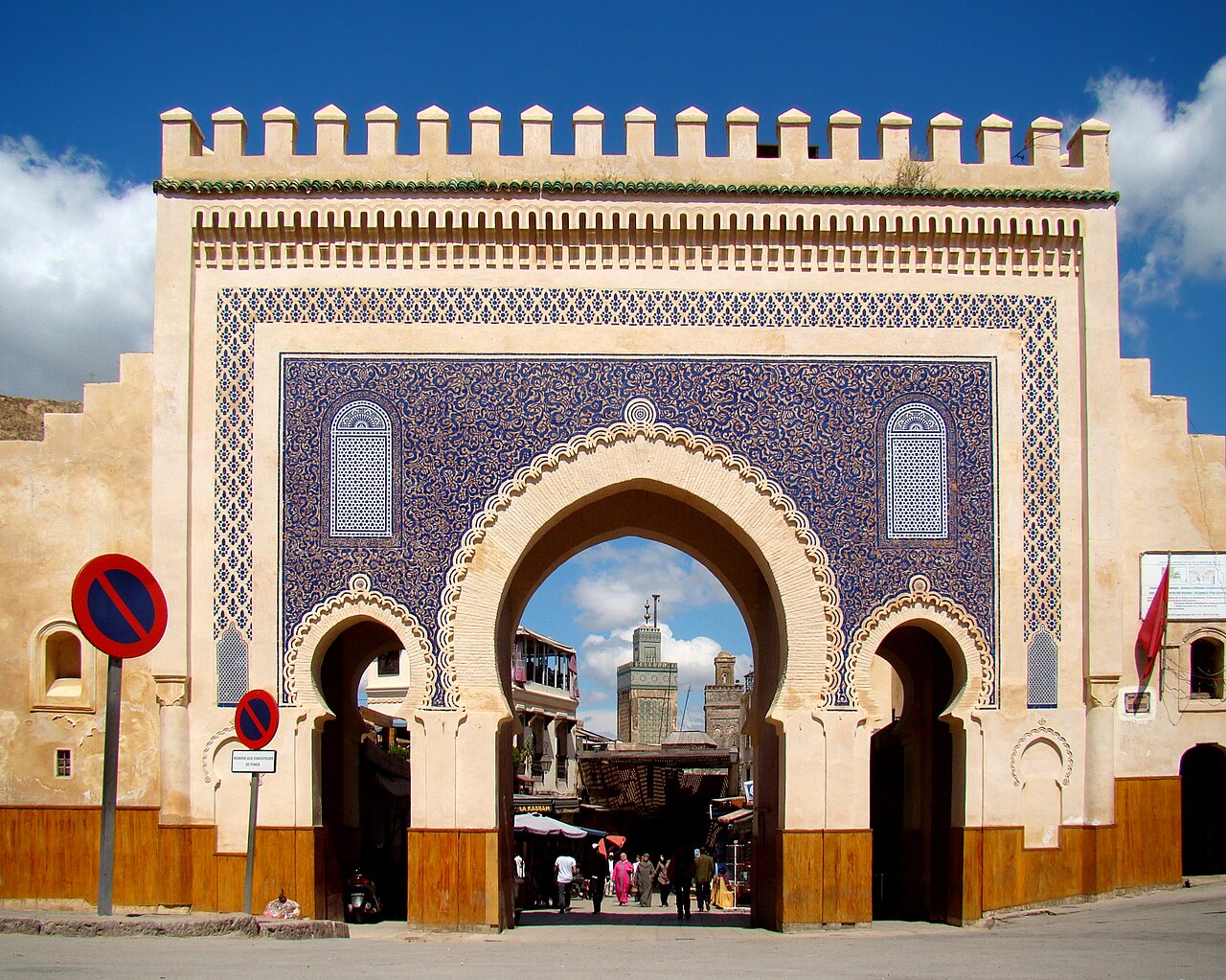
The iconic gateway to Fès el-Bali, Bab Boujloud welcomes visitors into the historic medina with its distinctive blue and green zellij and elegant Arab-Andalusian design.
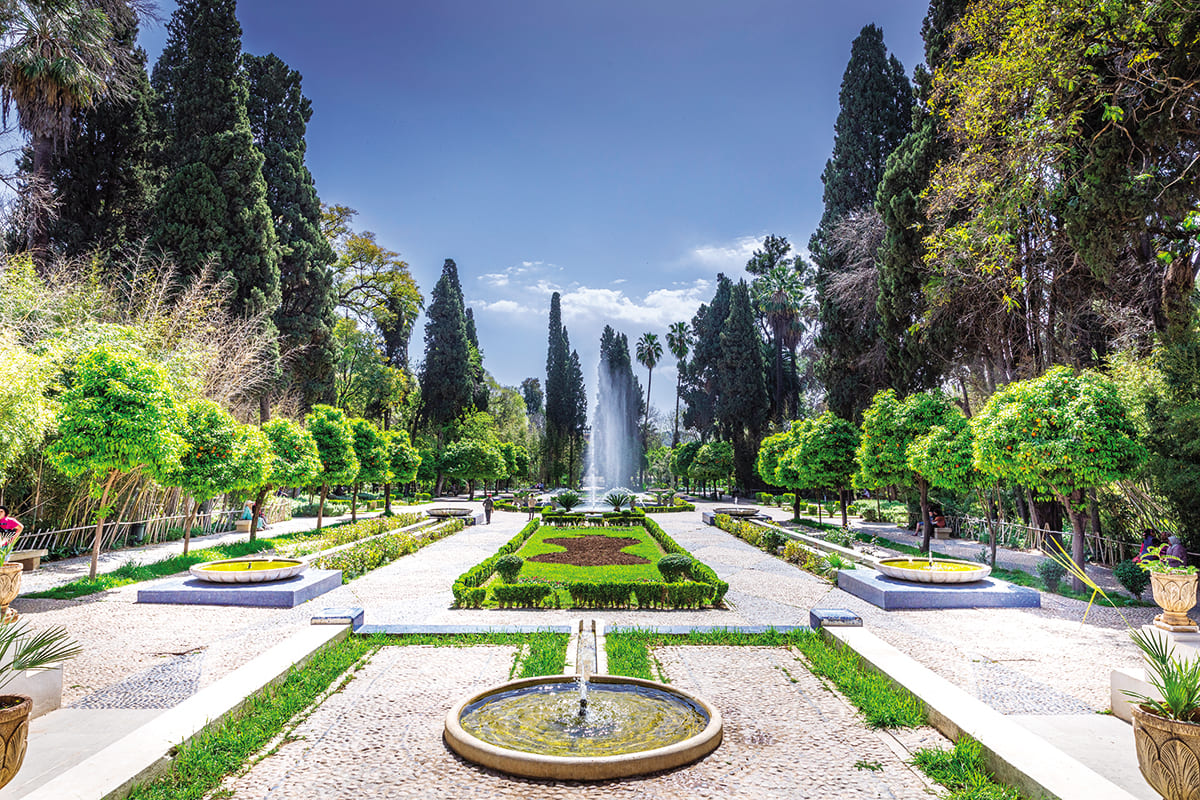
Garden
Fès el-Bali
A peaceful historic garden between Fès el-Bali and Fès el-Jdid, with shaded paths, fountains, mature trees and landscaped green spaces.
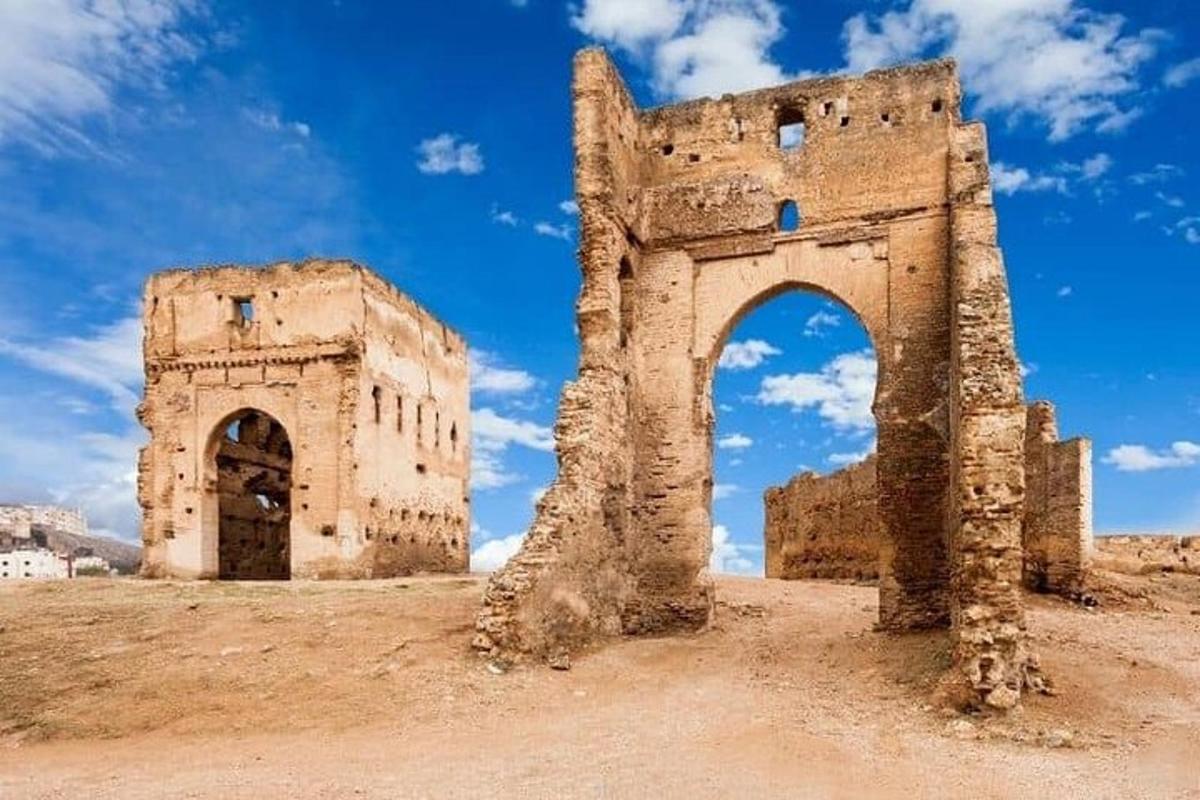
Historic Site
Borj Nord / northern hills above Fès el-Bali
Ruined Marinid tombs on the hills above Fez, combining historic remains with one of the city’s best panoramic views over the medina.
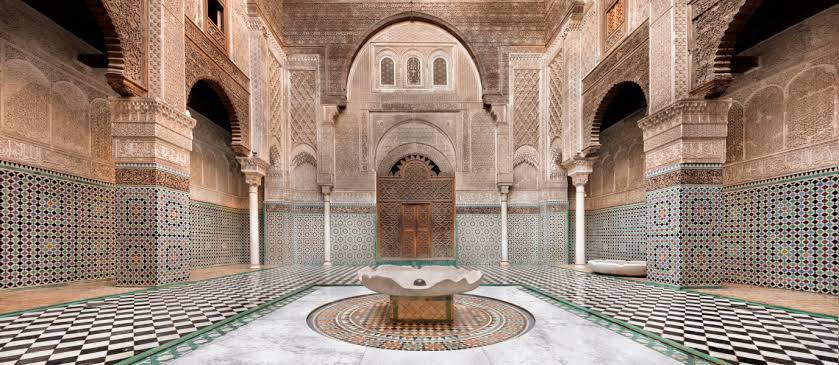
Madrasa
Talaa Kebira
A richly decorated Marinid madrasa near Al-Qarawiyyin, renowned for its carved cedar, sculpted stucco, zellij and elegant courtyard.
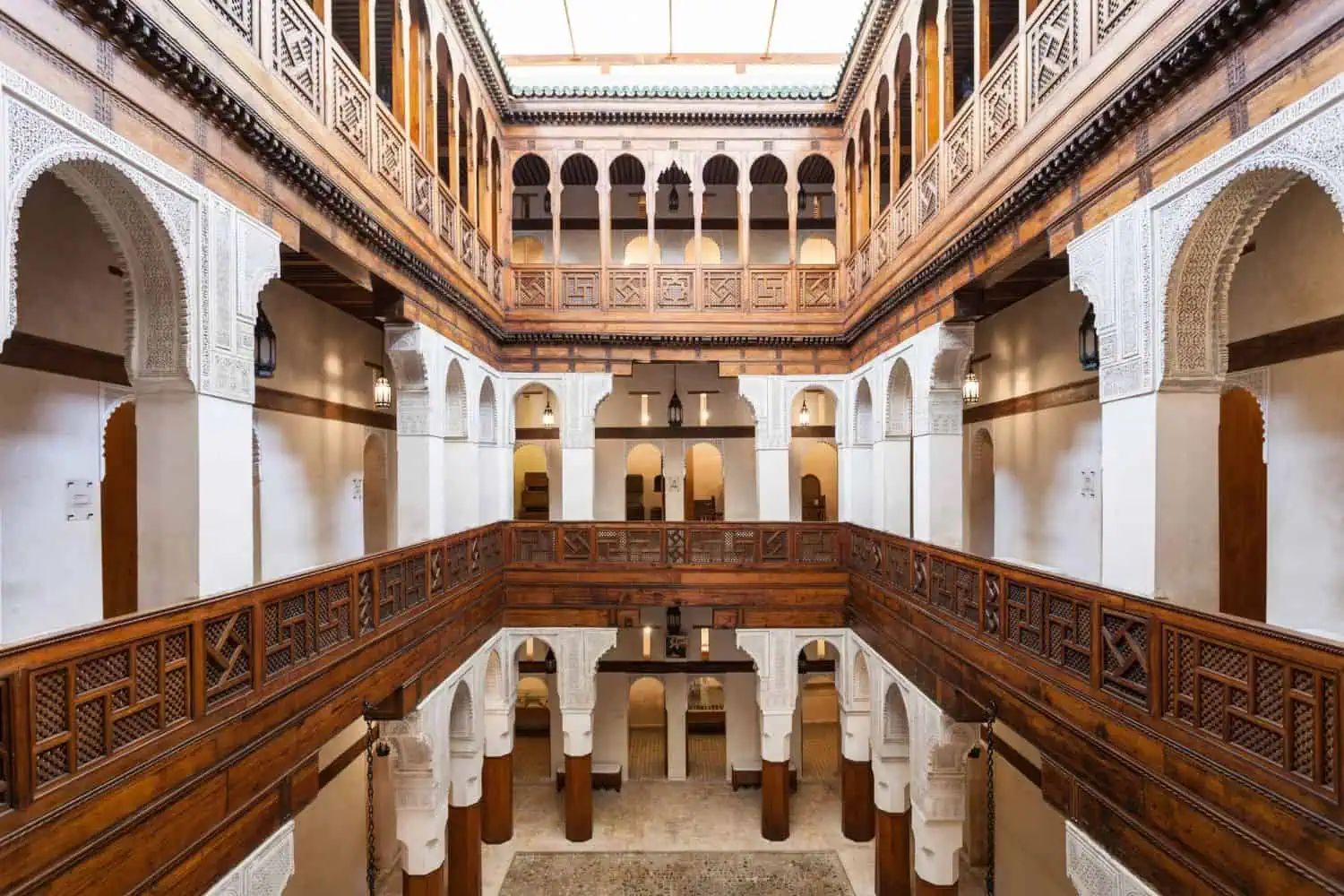
Museum
Fès el-Bali
A museum in the historic medina of Fez dedicated to Morocco’s traditional wood craftsmanship, displaying tools, carved objects, musical instruments and other examples of Fassi artisan work.
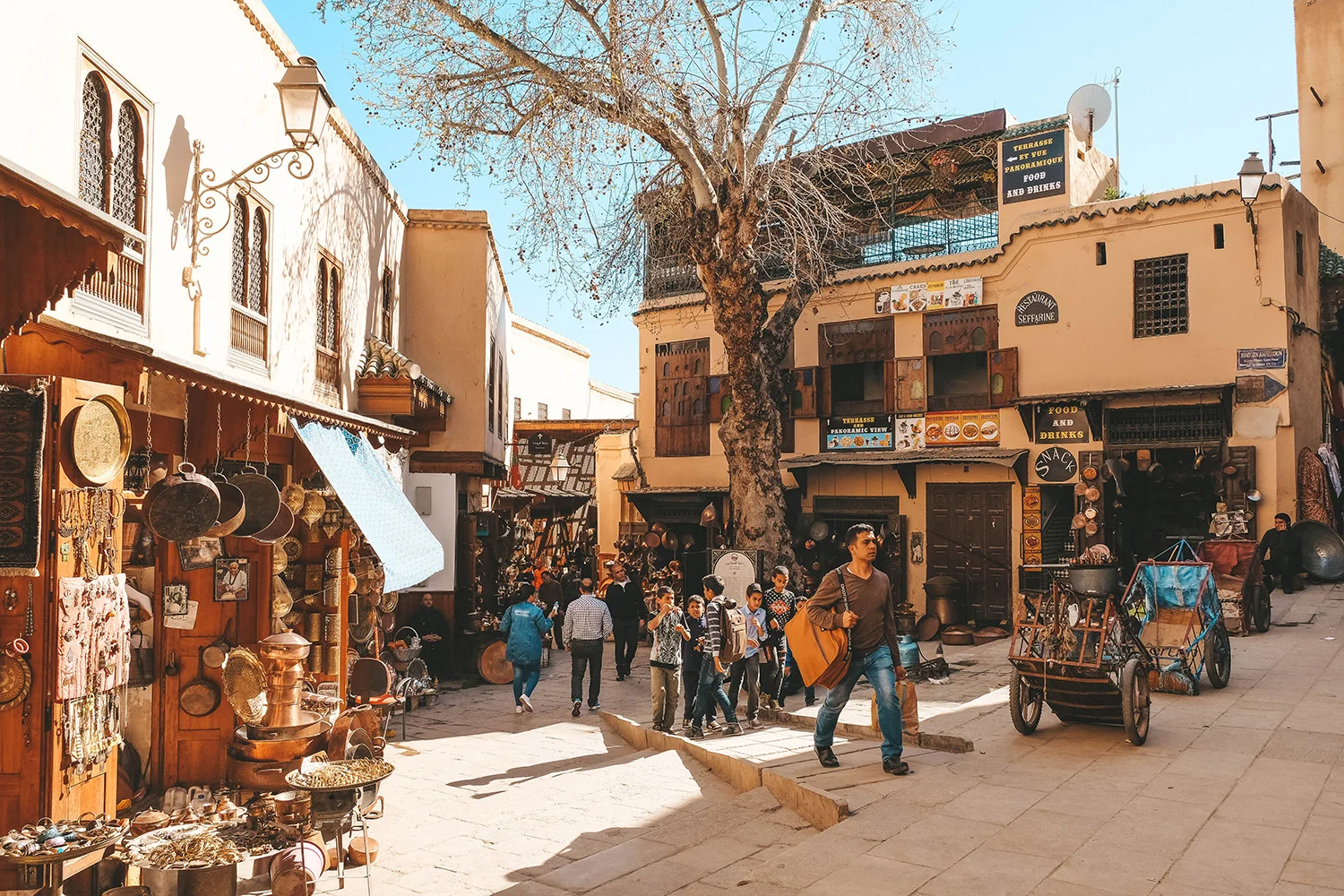
Guided Tour
Medina
Explore Fès el-Bali with a local guide through its historic lanes, souks, artisan quarters and major landmarks, with context on the city’s culture, crafts and everyday life.
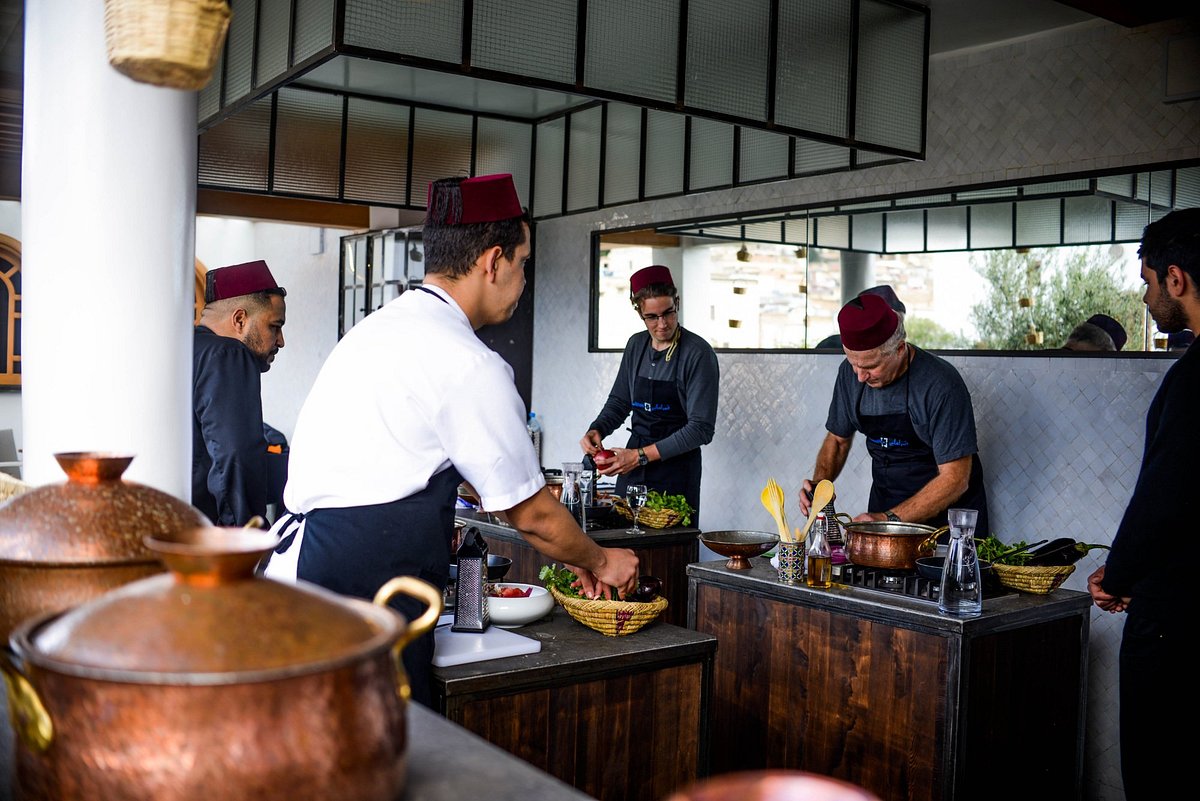
Cooking Class
Learn to prepare traditional Moroccan dishes in Fez through a hands-on cooking experience focused on local ingredients, spices and Fassi culinary traditions.
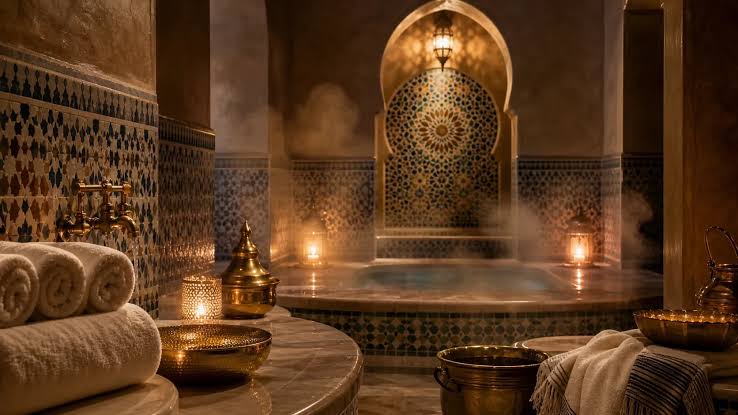
Hammam Experience
Experience a traditional Moroccan hammam ritual in Fez with steam, black soap cleansing and exfoliation inspired by one of Morocco’s most established wellness traditions.
Live the city
Open the editorial cards for context; use live listings for specific places.
Food is one of Fez's strongest reasons to visit. Fassi culinary tradition is known for carefully layered spice,…
Food is one of Fez's strongest reasons to visit. Fassi culinary tradition is known for carefully layered spice, sweet-and-savory combinations and dishes associated with refined urban Moroccan cooking. Chicken or pigeon pastilla is the city's signature dish to seek out, alongside tagines, couscous, Moroccan salads, breads, soups and pastries. Experiences range from inexpensive neighborhood food and market snacks to riad dinners, cooking classes and contemporary Moroccan restaurants. A good Fez itinerary should treat food as an experience rather than only a meal between monuments.
Fez is one of Morocco's strongest craft destinations. Look for leather goods, zellige and ceramics, carved and…
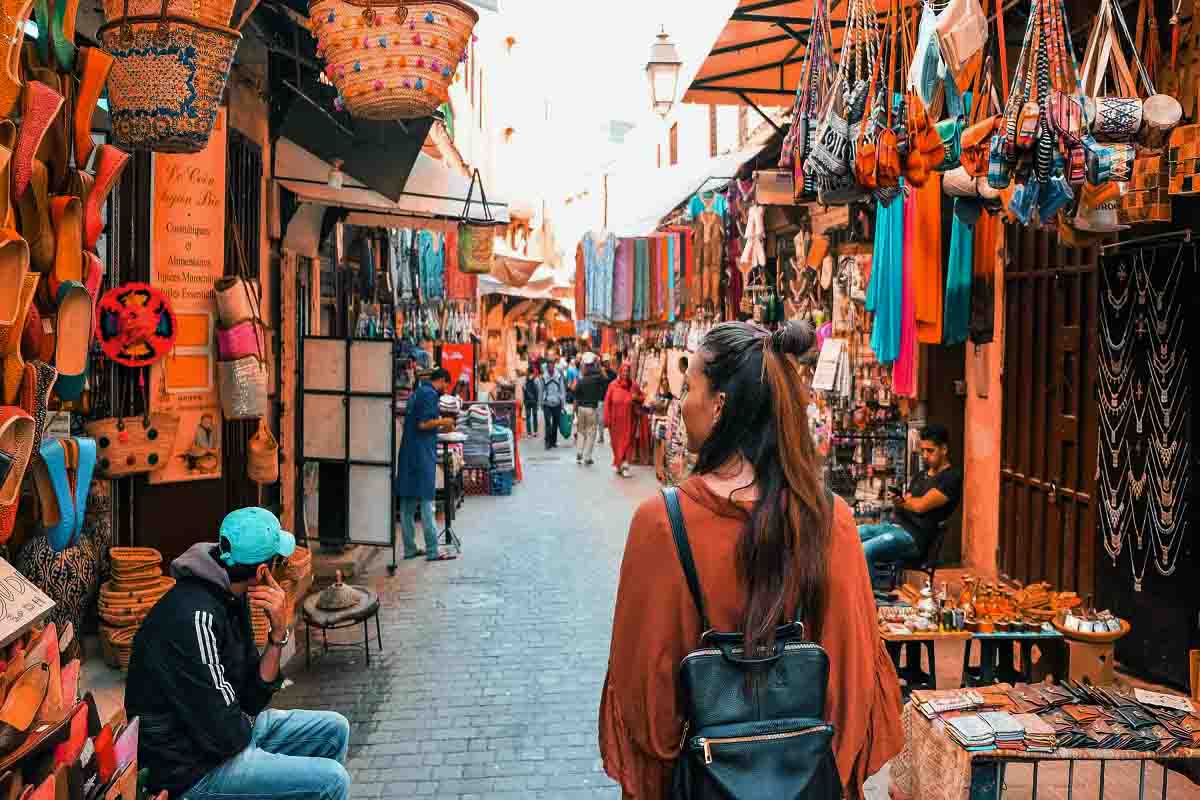
Fez is one of Morocco's strongest craft destinations. Look for leather goods, zellige and ceramics, carved and painted wood, brass and copperware, textiles, embroidery, slippers and carpets. The most interesting shopping is often connected to working craft districts rather than isolated souvenir shops. Quality varies, so inspect finishing and materials carefully, compare several workshops and do not feel pressured to buy. Fez is particularly associated with blue ceramics, zellige, leather and metalwork.
Fez's evening scene is relatively low-key. The strongest nights revolve around rooftop dinners, traditional riad…
Fez's evening scene is relatively low-key. The strongest nights revolve around rooftop dinners, traditional riad meals, tea, cultural performances and hotel or licensed restaurant bars rather than large clubs. Some upscale hotels and restaurants serve alcohol, but most medina cafés do not. Travelers seeking a major party destination should look elsewhere; travelers who enjoy atmospheric dinners, rooftops and quieter cultural evenings are much better matched to Fez.
Excellent. The classic historical excursion combines Meknes, the Roman archaeological site of Volubilis and Moulay…
Excellent. The classic historical excursion combines Meknes, the Roman archaeological site of Volubilis and Moulay Idriss Zerhoun. A contrasting nature day can head toward Ifrane, Azrou and the Middle Atlas. Closer regional options include Sefrou, Bhalil and the thermal area around Moulay Yacoub. Travelers with three or four nights in Fez can add one day trip without sacrificing the core medina experience.
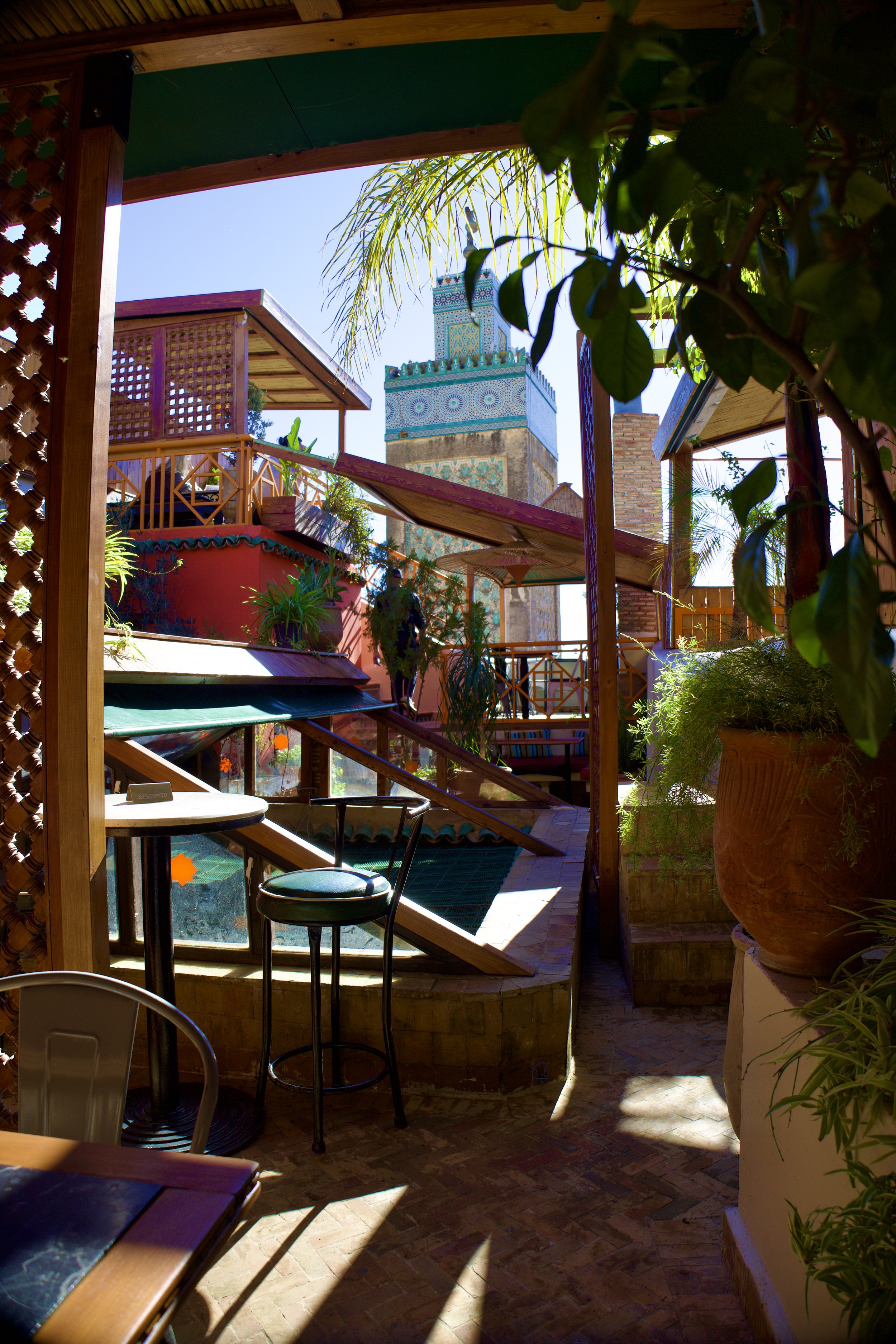
Cafe
Talaa Kbira, Fes el-Bali (Medina)
A well-known Medina cultural café serving modern Moroccan food, coffee and iced drinks alongside music, workshops and community events.
Restaurant
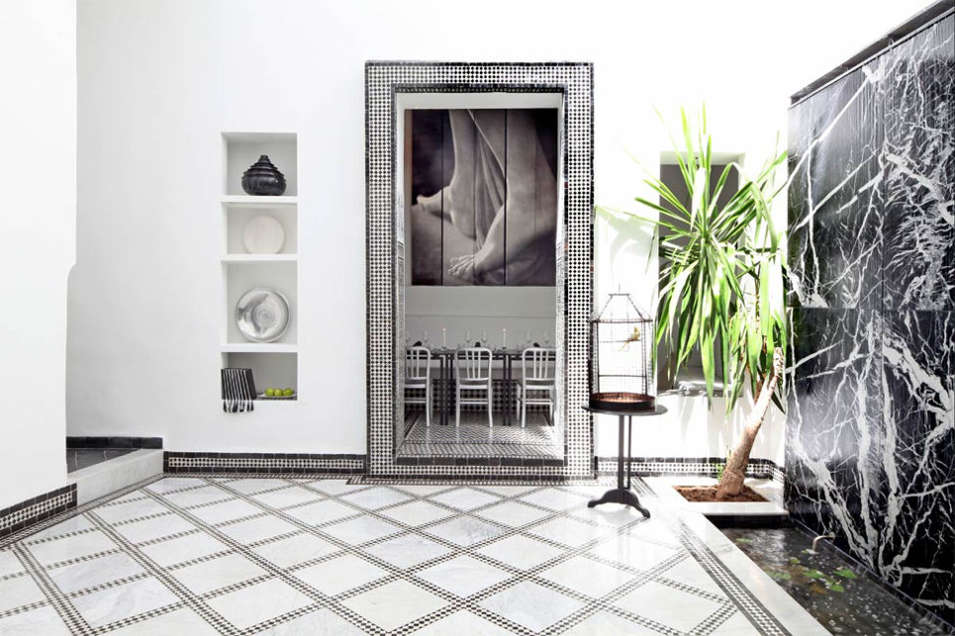
Fine dining in the Fez Medina built around a creative tasting-menu interpretation of Moroccan and Middle Atlas flavors.
Restaurant
Fes el-Bali · near Bab Boujloud
A creative vegetarian and vegan restaurant near Bab Boujloud, serving fresh seasonal dishes with Moroccan, international and fusion influences.

Restaurant
Boujloud · near Bab Boujloud
A Moroccan and international cafe-restaurant near Fez’s Blue Gate, serving tagines, fusion dishes, pizzas, burgers, wraps and pastries.
Restaurant
Fes el-Bali · R'cif
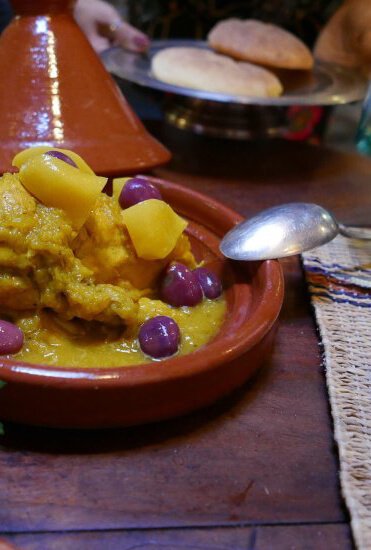
Traditional Moroccan and Fassi restaurant in the historic Fez Medina near R'cif Mosque.

Restaurant
Fes el-Bali · Ziat
Moroccan restaurant in Fes Medina with panoramic rooftop and traditional patio dining.
Useful without booking
10 practical points — tap to read
12 practical points — tap to read
Practical confidence
Open the topic you need instead of reading one long manual.
Fez is generally visited safely by large numbers of travelers, but normal big-city and tourist-area precautions…
Fez is generally visited safely by large numbers of travelers, but normal big-city and tourist-area precautions matter. Petty theft is most relevant in busy tourist areas and historic medina districts. Keep phones, wallets and bags secure, avoid carrying unnecessary valuables, and be more cautious in quiet lanes after dark. Another common issue is harassment by unofficial guides; use guides carrying proper authorization.
Fez is a challenging destination for travelers with significant mobility limitations. Deep inside Fès el-Bali, expect…
Fez is a challenging destination for travelers with significant mobility limitations. Deep inside Fès el-Bali, expect uneven surfaces, narrow lanes, slopes, steps, thresholds and almost no vehicle access. Many traditional riads also rely heavily on stairs. Ville Nouvelle is substantially easier for vehicle access and modern accommodation, while staying near Bab Boujloud, Batha or another medina edge can reduce walking and luggage difficulties. Travelers with mobility needs should confirm room access, bathroom configuration, stairs and the complete route from vehicle drop-off to accommodation before booking.
Morocco uses the Moroccan dirham (MAD). ATMs are widely available in Fez and cards are commonly accepted by hotels…
Morocco uses the Moroccan dirham (MAD). ATMs are widely available in Fez and cards are commonly accepted by hotels and many larger restaurants, but cash remains important for medina shops, small cafés, taxis, tips and inexpensive purchases. Carry smaller notes and coins. Exchange money through banks or authorized exchange offices and avoid carrying more cash than you need for the day.
Tipping is customary but amounts are generally modest. Round up small café and taxi bills when service is good; at…
Tipping is customary but amounts are generally modest. Round up small café and taxi bills when service is good; at restaurants, around 5–10% is a reasonable reference when service is not already included. Porters commonly receive a small cash tip, while guides and drivers are normally tipped according to service quality and trip length. Keep small dirham notes available rather than treating every interaction as requiring a large tip.
There is no need for special tourist clothing, but relatively modest dress is the most comfortable and respectful…
There is no need for special tourist clothing, but relatively modest dress is the most comfortable and respectful default in Fez, especially inside traditional neighborhoods and around religious sites. Lightweight clothing that covers shoulders and roughly reaches the knee works well for both sun protection and cultural comfort. During Ramadan, err slightly more conservative.
Fez becomes especially atmospheric during Ramadan, but daily rhythms change. Avoid eating, drinking or smoking…
Fez becomes especially atmospheric during Ramadan, but daily rhythms change. Avoid eating, drinking or smoking conspicuously in public during daylight out of respect for people fasting. Some businesses reduce daytime hours and become much busier after sunset. Confirm monument, restaurant and transport hours each day. Traffic can become hurried shortly before iftar, while evenings after the fast are lively and social. Dress and behavior should be particularly respectful around religious areas during the month.
Mobile coverage is generally reliable across Fez, and Wi-Fi is common in riads, hotels and cafés. Prepaid SIM and…
Mobile coverage is generally reliable across Fez, and Wi-Fi is common in riads, hotels and cafés. Prepaid SIM and eSIM options are widely available from Morocco’s main mobile operators. Thick walls and interior courtyards can weaken signal inside some traditional riads, and GPS can be imprecise in narrow medina lanes. Download offline maps and your riad access instructions before arrival.
9 practical points — tap to read
9 practical points — tap to read
Police 19 / 190 from mobile · Medical emergency 141 For urgent police assistance use 19 / 190. For non-urgent visitor…
Police 19 / 190 from mobile · Medical emergency 141 For urgent police assistance use 19 / 190. For non-urgent visitor help, ask your accommodation, licensed guide or the regional tourism authorities to direct you to the appropriate local police service. Keep travel-insurance information, a passport copy and your accommodation contact details accessible offline. Pharmacies are common in Fez and major-city public and private medical services are available. For a serious medical emergency call 141; for less urgent care, ask your riad or hotel to direct you to an appropriate clinic or hospital.
Traveler lenses
The same destination can feel very different depending on who is traveling.
Fez can be highly rewarding for families, particularly with school-age children and teenagers interested in crafts,…
Fez can be highly rewarding for families, particularly with school-age children and teenagers interested in crafts, food and history. Tanneries, ceramics, metalwork and maze-like streets make heritage tangible rather than abstract. The main difficulty is logistics: long walking days, uneven lanes, heat, crowds and limited stroller access can exhaust younger children. Families with small children should consider accommodation near a medina gate, use shorter sightseeing blocks and arrange a knowledgeable guide for the first medina visit.
Fez is an excellent destination for independent travelers who enjoy culture and exploration. A licensed guide for the…
Fez is an excellent destination for independent travelers who enjoy culture and exploration. A licensed guide for the first half-day can make the medina far easier to understand before exploring independently. Keep your accommodation pin and nearest gate offline and avoid quiet unfamiliar lanes late at night. Solo women may encounter unwanted attention; confident boundaries, sensible clothing and using taxis or accommodation transfers after dark can make the experience more comfortable.
Fez is a strong couples destination for travelers who prefer atmosphere and culture to resort entertainment.…
Fez is a strong couples destination for travelers who prefer atmosphere and culture to resort entertainment. Traditional riads, courtyard dinners, rooftop sunsets, hammams, cooking experiences and slow medina exploration create an intimate trip. Batha, Bab Boujloud and well-located riads in Fès el-Bali work especially well. Nightlife is relatively understated, so the destination is better for long dinners and cultural evenings than clubbing. Keep public displays of affection discreet, particularly around religious areas.
Traveler questions
Two full days is a realistic minimum, three is comfortable, and four works especially well if you want a day trip.
Two full days is a realistic minimum, three is comfortable, and four works especially well if you want a day trip.
March to May and September to November generally offer the best conditions for walking and sightseeing.
March to May and September to November generally offer the best conditions for walking and sightseeing.
Most of Fès el-Bali is pedestrian-only. Arrange your nearest practical drop-off or medina gate with your…
Most of Fès el-Bali is pedestrian-only. Arrange your nearest practical drop-off or medina gate with your accommodation.
A guide is not mandatory, but a licensed guide for your first half-day or full day can greatly improve orientation…
A guide is not mandatory, but a licensed guide for your first half-day or full day can greatly improve orientation and historical understanding.
Most visits are trouble-free, but protect valuables in busy areas, avoid quiet unfamiliar lanes after dark and use…
Most visits are trouble-free, but protect valuables in busy areas, avoid quiet unfamiliar lanes after dark and use licensed guides.
Choose Fès el-Bali for maximum atmosphere, Batha or Bab Boujloud for easier access, and Ville Nouvelle for modern…
Choose Fès el-Bali for maximum atmosphere, Batha or Bab Boujloud for easier access, and Ville Nouvelle for modern hotels and transport convenience.
Official taxis operate from the arrivals area 24/7. A lower-cost public bus option may also operate to Gare de Fès;…
Official taxis operate from the arrivals area 24/7. A lower-cost public bus option may also operate to Gare de Fès; verify its current schedule before travel.
Yes, especially with school-age children and teenagers interested in crafts and history, but strollers and long…
Yes, especially with school-age children and teenagers interested in crafts and history, but strollers and long medina walks can be difficult.
Deep Fès el-Bali is very challenging because of uneven lanes, slopes and steps. Ville Nouvelle and carefully selected…
Deep Fès el-Bali is very challenging because of uneven lanes, slopes and steps. Ville Nouvelle and carefully selected medina-edge accommodation are substantially easier.
Start with Fassi pastilla, then explore Moroccan salads, tagines, couscous, breads, pastries and local market food.
Start with Fassi pastilla, then explore Moroccan salads, tagines, couscous, breads, pastries and local market food.
Not primarily. Evenings are better for rooftop dinners, riads, tea, cultural events and licensed hotel or restaurant…
Not primarily. Evenings are better for rooftop dinners, riads, tea, cultural events and licensed hotel or restaurant bars.
Yes, but download offline maps, keep your riad and gate information saved, and expect to lose your bearings…
Yes, but download offline maps, keep your riad and gate information saved, and expect to lose your bearings occasionally inside the medina.
Fez is in northern inland Morocco, east of Rabat and northeast of the Middle Atlas. It is connected by train to…
Fez is in northern inland Morocco, east of Rabat and northeast of the Middle Atlas. It is connected by train to Meknes, Rabat, Casablanca and other major cities, and by air through Fès-Saïss Airport.
Use the live inventory below rather than assuming every Morocco city has the same depth of coverage.
Build the full Fez trip
Use the city guide as your hub, then move directly into the places, stays, experiences, food and makers that are already published for Fez.
Historic landmarks, gardens, museums and viewpoints with practical visitor details.
Compare published stays, rooms, access notes and indicative prices before choosing a base.
Food, craft, culture and local activities that can be added around the main city itinerary.
Published dining addresses to pair with the city guide and neighborhood planning.
Discover maker profiles and shop-ready artisan stores with verified marketplace status.
Go beyond the city
These routes are ranked by whether they start, finish or stop in Fez, then by their mapped distance from the city. Distant tours are not forced into the list.
 3 days / 2 nights
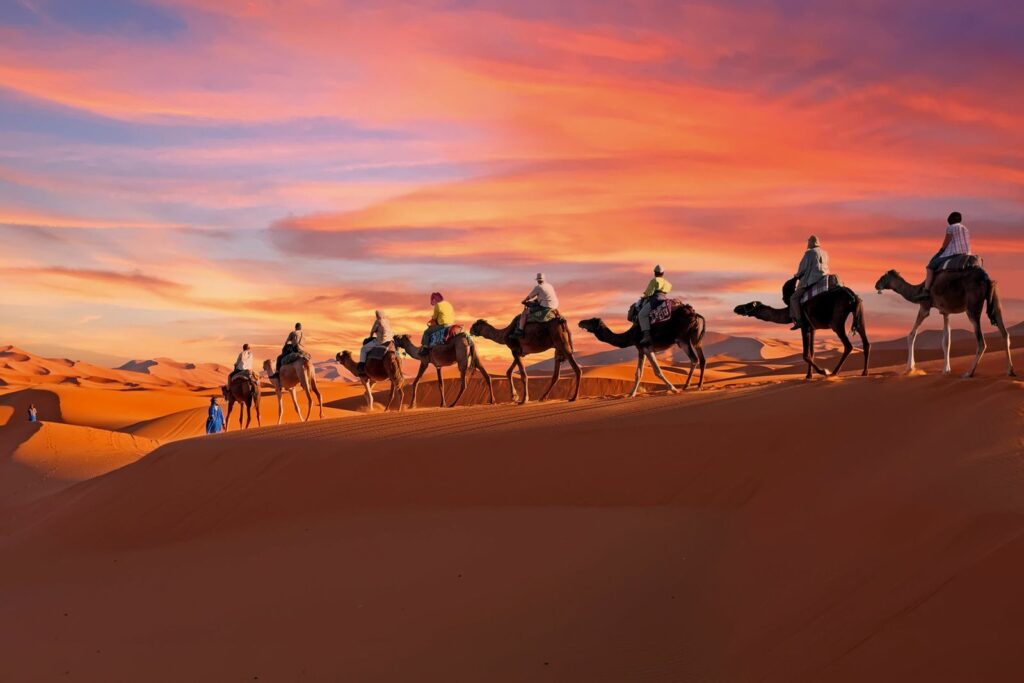
A three-day Marrakech-to-Fès desert crossing via Aït Ben Haddou, Dadès, Todra, Merzouga, Midelt and Ifrane.
Marrakech · Aït Ben Haddou · Ouarzazate · Dadès Valley · Todra Gorge
 3 days / 2 nights
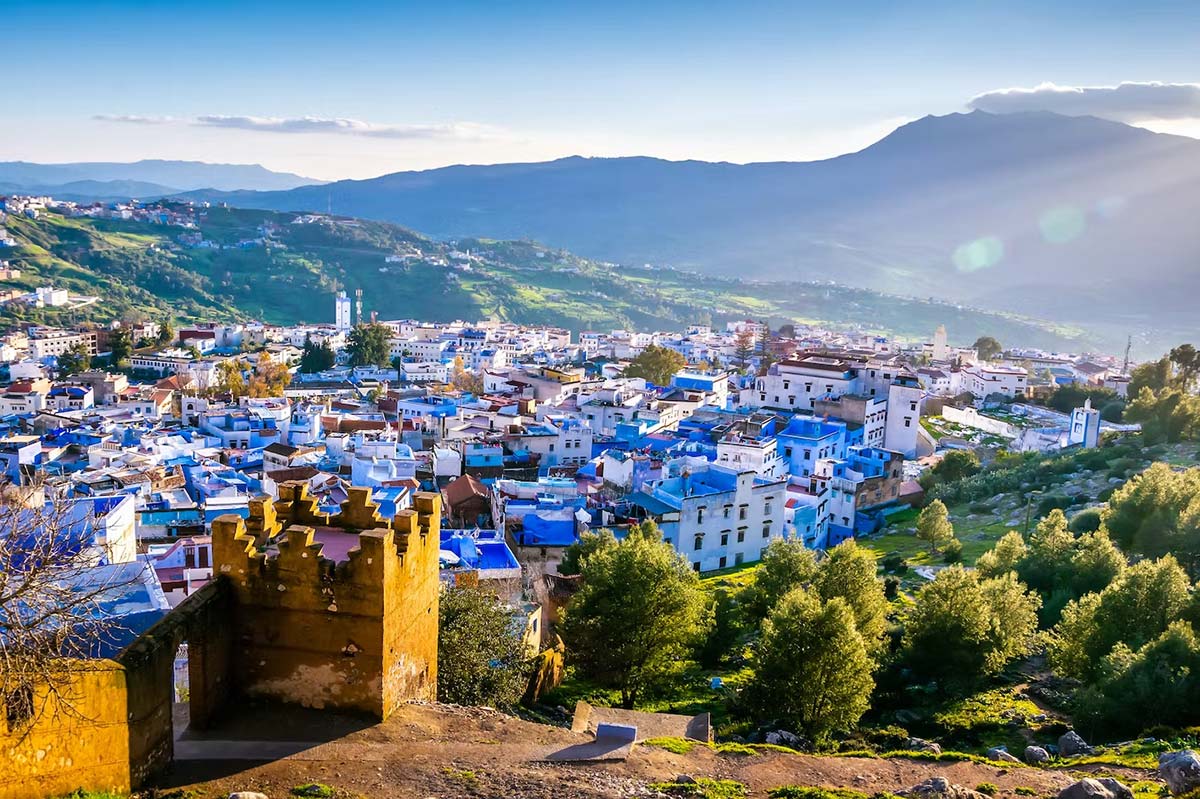
A three-day cultural route linking Casablanca, Rabat, Fès and the blue-washed mountain town of Chefchaouen.
Marrakech · Casablanca · Rabat · Fès · Chefchaouen
 4 days / 2 nights
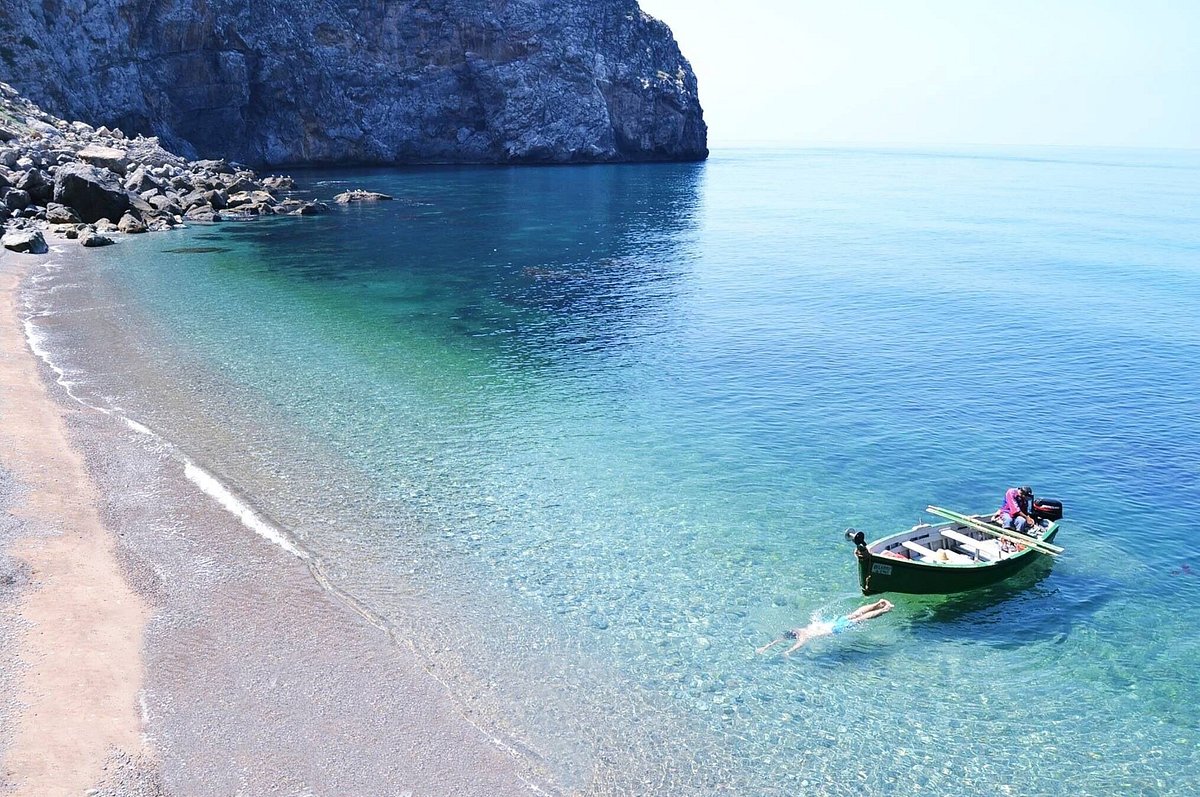
A four-day northern loop linking the Rif coast, Al Hoceima, Nador and the long Mediterranean beaches around Saïdia.
Al Hoceima · Nador · Saïdia
From Fez
The city shop is ready for curated artisan products. Inventory will appear as Ask Morocco verifies sellers and fulfillment.