Gallery
Maison de la Photographie
Maison de la Photographie is a gallery in Marrakech, Morocco.
45–90 minExplore
مراكش · Marrakesh · Marrakech
Morocco’s most dynamic city break: a UNESCO medina, legendary souks and riads, inventive dining, gardens, design and nightlife beneath the High Atlas.
Destination snapshot
Marrakech-Safi, Morocco
Ideal stay
3–5 days
Daily budget
400 MAD–2,600 MAD / day
Best time
March–May and October–November are the most comfortable periods for extensive…
Languages
Moroccan Arabic (Darija) · French · Modern Standard Arabic
Stays from
160 MAD / night
Region
Marrakech-Safi, Morocco
At a glance
Discover Marrakech through Jemaa el-Fna, the UNESCO-listed medina, palaces and gardens, traditional riads, ambitious restaurants, hammams, souks and easy escapes toward the High Atlas and Agafay.
Marrakech is one of Morocco’s four imperial cities and the country’s most energetic blend of historic urban life,…
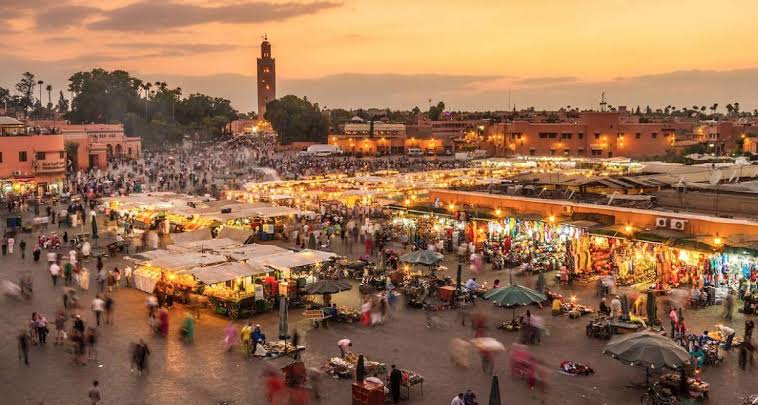
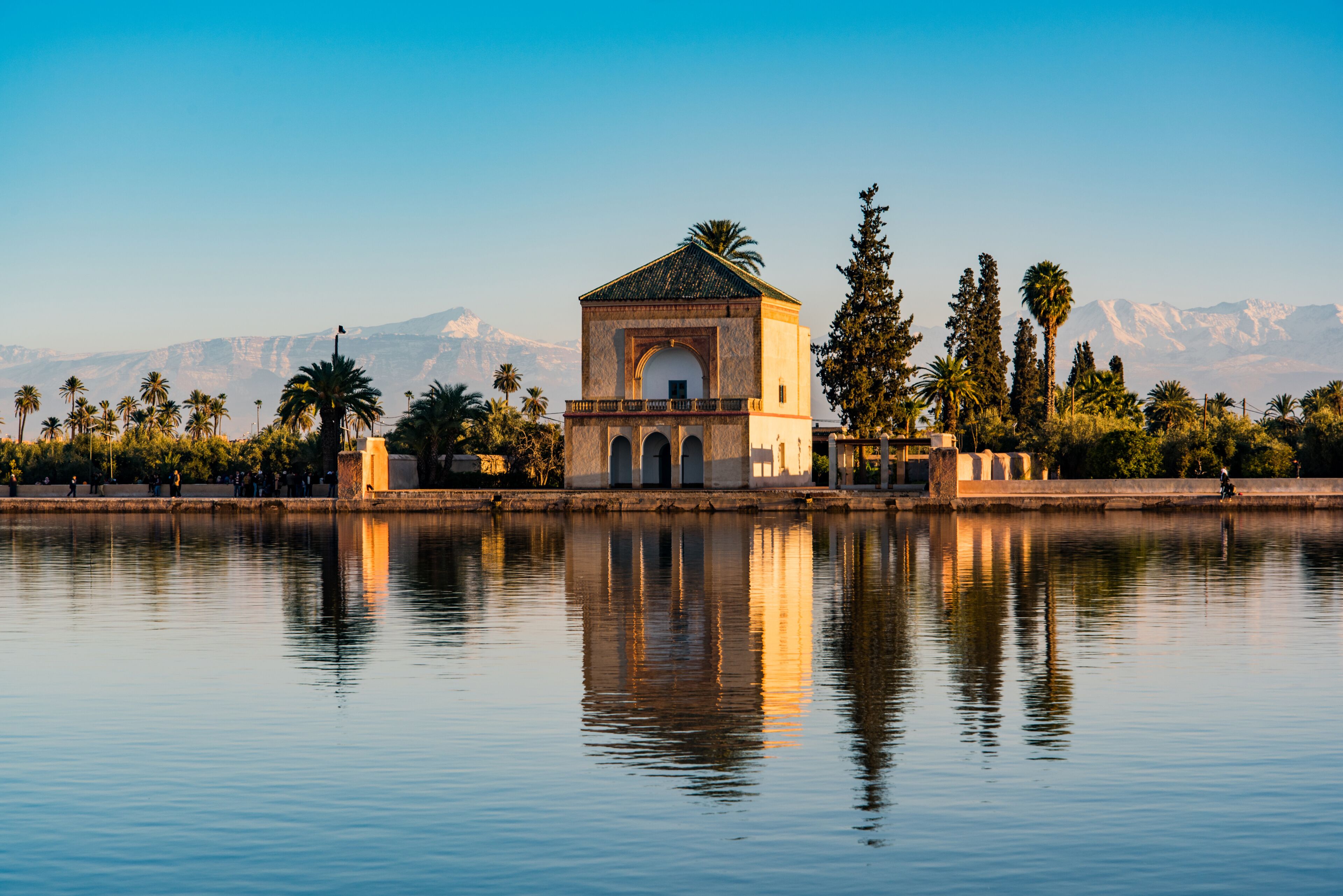
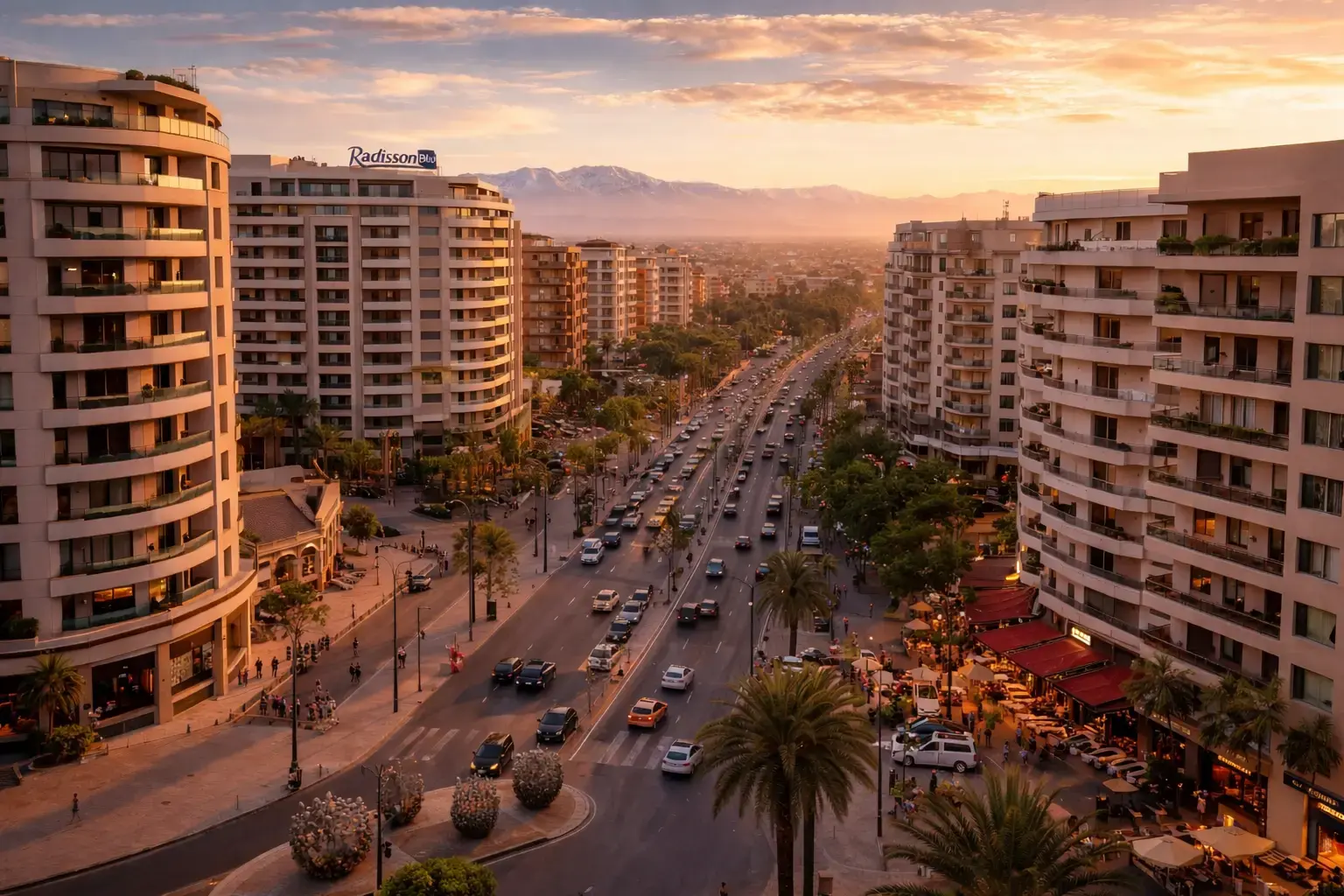
Marrakech is one of Morocco’s four imperial cities and the country’s most energetic blend of historic urban life, hospitality, design and contemporary leisure. Founded by the Almoravids in 1070–1072, its medina became a major political, economic and cultural centre and is now UNESCO World Heritage. Inside the ochre ramparts, lanes connect Jemaa el-Fna, the Koutoubia, palace districts, madrasas, fondouks, souks and riads that still structure everyday life. For first-time visitors, the medina is the essential experience. Mornings are ideal for monuments, museums and quieter streets; afternoons suit gardens, hammams and shopping; around sunset Jemaa el-Fna changes character as food stalls, performers and crowds fill the square. The city also rewards repeat visits: Gueliz and Hivernage add restaurants, galleries, nightlife, hotels and modern shopping, while Sidi Ghanem has become an important district for contemporary Moroccan makers and design. Marrakech is also one of Morocco’s strongest bases for landscape excursions. The High Atlas, Ourika Valley, Imlil, Lalla Takerkoust and the rocky Agafay landscape are close enough for practical day trips, while Essaouira and Ouzoud are longer full-day options. Three full days is a strong first visit; four or five days gives enough space for slower neighborhoods, wellness and one day trip.
Known for
Best for
9 practical points — tap to read
Plan smarter
The full guide is here without forcing you through walls of text. Tap a card for the detail relevant to your trip.
Choose a trip length to see a realistic pace.
2 days
Use the first day for the Koutoubia area, Jemaa el-Fna, a palace or historic monument, the souks and sunset in the square. On day two, add Ben Youssef or Mouassine, a garden or museum, a hammam and a relaxed rooftop or Gueliz dinner.
3 days
Use two days for the medina, palaces, souks, food and gardens, then add Majorelle and Gueliz, a hammam or design-focused afternoon and an unhurried evening in Hivernage or on a rooftop.
4 days
Keep three days for the city and use one day for the High Atlas and Ourika, Imlil, Lalla Takerkoust or Agafay depending on whether you prefer mountains, villages, hiking or sunset scenery.
5 days
Add more neighborhood time, Sidi Ghanem, a cooking or craft experience, pool or hammam downtime and one full day trip without sacrificing the city’s evening rhythm.
March–May and October–November are the most comfortable periods for extensive walking and sightseeing. Winter is generally mild in the daytime but cool at night. June–September is reliably hot, with July and August especially intense; plan early starts, shaded breaks and a pool or strong air-conditioning.
Marrakech has a hot, dry climate with very hot summers, mild sunny winters and large day–night temperature swings.…
Marrakech has a hot, dry climate with very hot summers, mild sunny winters and large day–night temperature swings. July averages roughly 37°C by day and 21°C at night; January averages about 19°C by day and 7°C at night. Rainfall is limited and irregular, with more chance in the cooler months. Summer sightseeing is best early in the morning and late in the afternoon.
March to May is one of Marrakech’s best seasons: warm days, cooler evenings and generally good conditions for medina…
March to May is one of Marrakech’s best seasons: warm days, cooler evenings and generally good conditions for medina walking, gardens, rooftops and Atlas excursions. April and May can already feel hot in direct sun, so carry water and sun protection.
June to September is hot; July and August average highs are around 36–37°C and heatwaves can push higher. Sightsee…
June to September is hot; July and August average highs are around 36–37°C and heatwaves can push higher. Sightsee early, rest around midday, use shaded medina lanes and schedule hammams, pools or indoor visits in the hottest hours. Air-conditioning matters.
October and November are excellent for city exploration. October is typically warm and comfortable, while November is…
October and November are excellent for city exploration. October is typically warm and comfortable, while November is cooler with a greater chance of rain. A strong season for dining, shopping, gardens and day trips.
December to February brings mild daytime sightseeing weather but cool mornings and nights. Rooftops can feel cold…
December to February brings mild daytime sightseeing weather but cool mornings and nights. Rooftops can feel cold after sunset and traditional riads vary in heating, so pack layers. Clear winter days can provide excellent Atlas views.
Arrival & movement
Marrakech is one of Morocco’s easiest destinations to reach. Marrakech-Menara Airport (RAK) serves domestic and…
Marrakech is one of Morocco’s easiest destinations to reach. Marrakech-Menara Airport (RAK) serves domestic and extensive international routes; ONCF Al Atlas trains connect the city with Casablanca, Rabat, Meknes and Fez; CTM, Supratours and other coaches cover major cities and destinations not conveniently served by rail. From any terminal, confirm the most practical medina gate or vehicle-access point with your accommodation before arrival.
The medina is best explored on foot. Petit taxis are useful between the medina edge, Gueliz, Hivernage, the railway…
The medina is best explored on foot. Petit taxis are useful between the medina edge, Gueliz, Hivernage, the railway station, gardens and other outer districts; private drivers are convenient for airport transfers and day trips. City buses cover many routes but are less intuitive for first-time visitors. Driving inside central Marrakech is usually more stressful than useful, and many medina lanes are pedestrian-only.
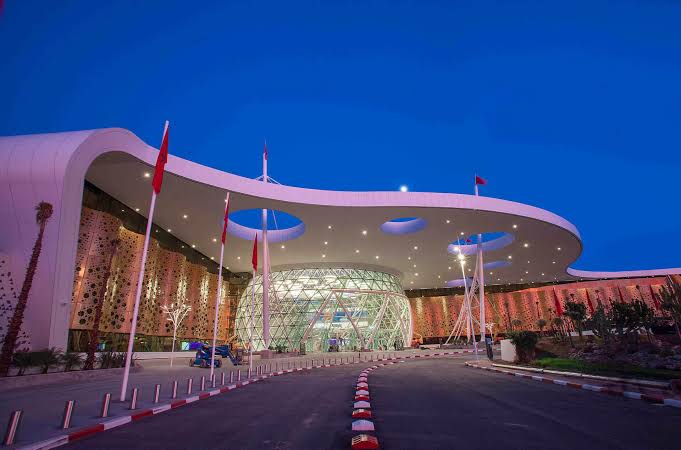
Marrakech-Menara Airport (RAK) is only a few kilometres southwest of central Marrakech. ONDA provides an official…
Marrakech-Menara Airport (RAK) is only a few kilometres southwest of central Marrakech. ONDA provides an official taxi area at the airport; airport taxi prices are posted or fixed by destination, and the kech.cab system allows travelers to order and prepay at the airport. ONDA also states that a city–airport shuttle runs about every 20 minutes. For medina riads, ask for the nearest accessible gate or meeting point because many lanes cannot be reached by car.
Marrakech railway station is in the modern city, west of the medina, and is served by ONCF Al Atlas trains. Direct…
Marrakech railway station is in the modern city, west of the medina, and is served by ONCF Al Atlas trains. Direct services run through Casablanca and Rabat and continue toward Meknes and Fez. From the station, petit taxis are the simplest option to Gueliz, Hivernage or a medina gate. Check ONCF for your travel date because schedules can change during infrastructure works or holidays.
CTM, Supratours and other intercity coaches connect Marrakech with Agadir, Essaouira, Ouarzazate and many other…
CTM, Supratours and other intercity coaches connect Marrakech with Agadir, Essaouira, Ouarzazate and many other Moroccan destinations, including routes where rail is unavailable. Departure terminals vary by operator, so use the terminal printed on the ticket rather than assuming all buses leave from one station.
High for sightseeing inside the medina and central districts, but not uniformly easy. Expect uneven paving, crowded…
High for sightseeing inside the medina and central districts, but not uniformly easy. Expect uneven paving, crowded lanes, motorcycles, carts and hot sun. Gueliz is easier to navigate on broader pavements; distances between the medina, Majorelle, Hivernage and Menara are large enough that taxis are often sensible.
Much of the Marrakech medina is pedestrian-only or unsuitable for normal cars. Before arrival, ask your riad for the…
Much of the Marrakech medina is pedestrian-only or unsuitable for normal cars. Before arrival, ask your riad for the nearest reliable taxi drop-off and whether porter help is available. Save the riad pin and access instructions offline. Jemaa el-Fna, Bab Doukkala, Bab Laksour, Bab Agnaou and other gates or edges serve different quarters, so “medina” is not a single drop-off.
Explore spatially
Open a marker to move from orientation to a real stay or place.
Choose your base
Choose by atmosphere and access, then compare actual stays.
Best for: First-time visitors, atmosphere, nightlife on foot
Best for: First-time visitors, atmosphere, nightlife on foot
Maximum energy and convenience for the classic sights, souks and evening square; can be noisy, crowded and difficult with luggage.
Best for: Riads, design, cafés, couples
Best for: Riads, design, cafés, couples
Central medina atmosphere with strong riad, café, gallery and boutique access; a refined base while still requiring plenty of walking.
Best for: History, couples, quieter medina stay
Best for: History, couples, quieter medina stay
Near the Saadian Tombs, Bab Agnaou and El Badi; generally more residential than the souk core and useful for southern-medina access.
Best for: Modern comfort, food, easier logistics
Best for: Modern comfort, food, easier logistics
Broad streets, cafés, restaurants, galleries, shops and easier taxi access; a short ride or longer walk to the medina.
Best for: Luxury hotels, nightlife, accessibility, upscale short breaks
Best for: Luxury hotels, nightlife, accessibility, upscale short breaks
International hotels, restaurants and lounges with smooth vehicle access; less traditional atmosphere than the medina.
Best for: Resorts, pools, families, wellness, quiet luxury
Best for: Resorts, pools, families, wellness, quiet luxury
Spacious resort zone outside the historic core; excellent for relaxation but requires taxis or transfers for most sightseeing.
Best for: Contemporary Moroccan design and shopping
Best for: Contemporary Moroccan design and shopping
Creative and industrial district with furniture, fashion and design studios; better as a daytime visit than as a classic sightseeing base.
Stay in the city
Compare atmosphere, neighborhood and nightly price.
Explore
Visual recommendations stay visible; deeper planning information stays one tap away.
Gallery
Maison de la Photographie is a gallery in Marrakech, Morocco.
Garden
Le Jardin Secret is a garden in Marrakech, Morocco.
Historic Site
Almoravid Qubba is a historic site in Marrakech, Morocco. It was founded by Ali ibn Yusuf.
Madrasa
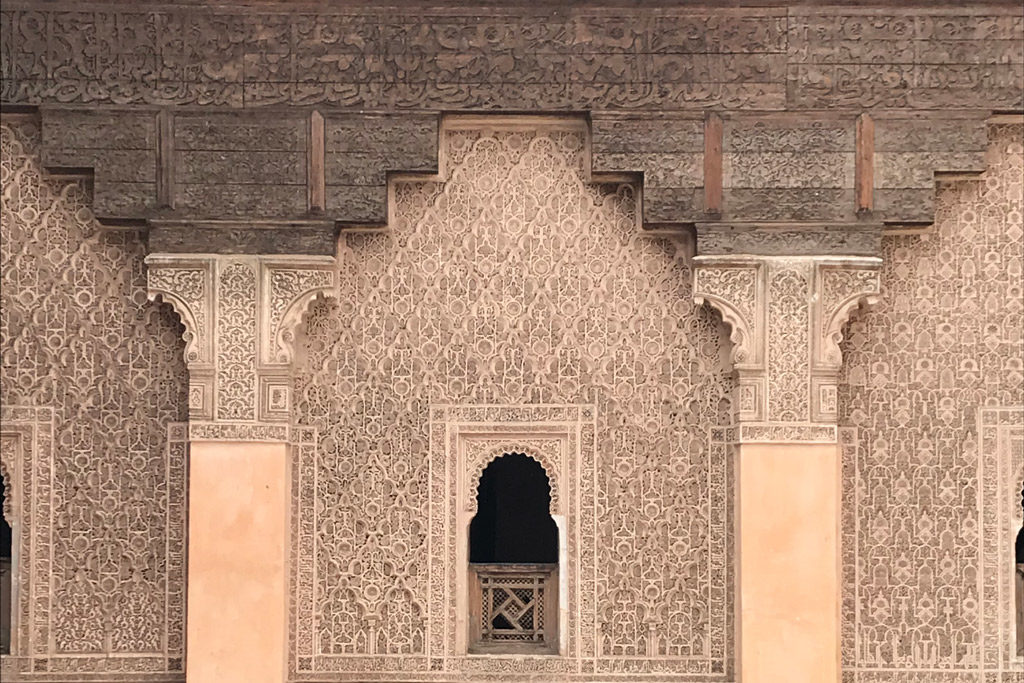
Ben Youssef Madrasa is a madrasa in Marrakech, Morocco. Its architectural style is identified as Islamic architecture.
Museum
Moroccan Culinary Arts museum is a museum in Marrakech, Morocco.
Museum
Museum of Perfume is a museum in Marrakech, Morocco.
Guided Tour
Explore Marrakech's medina with a private guide and discover key monuments without worrying about finding your way.
Walking Tour
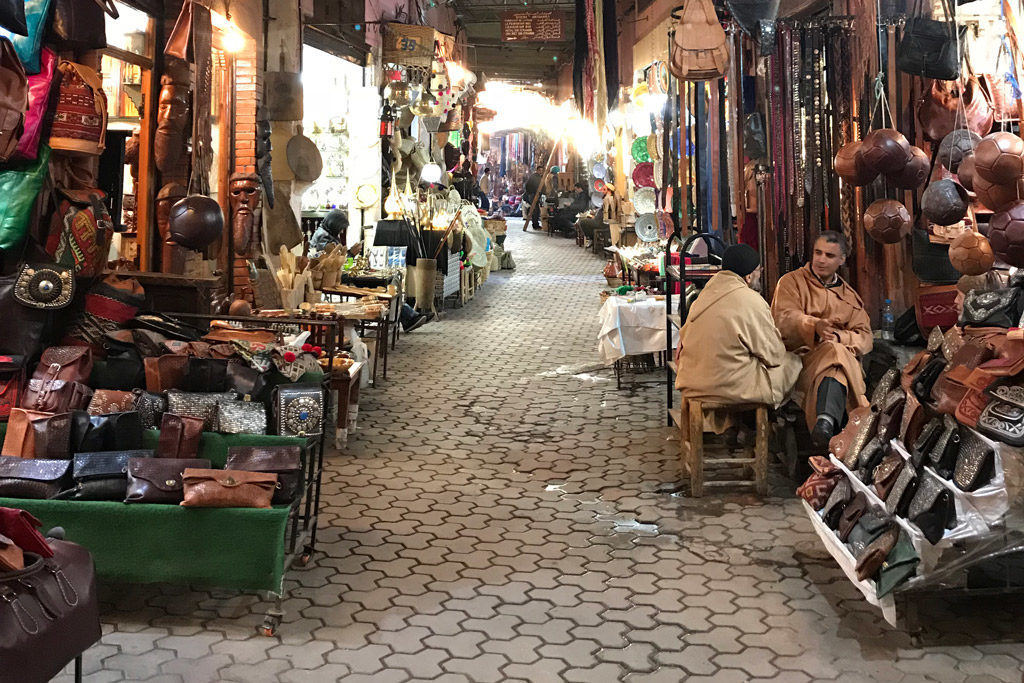
Wander through Marrakech's souks and discover distinctive local finds.
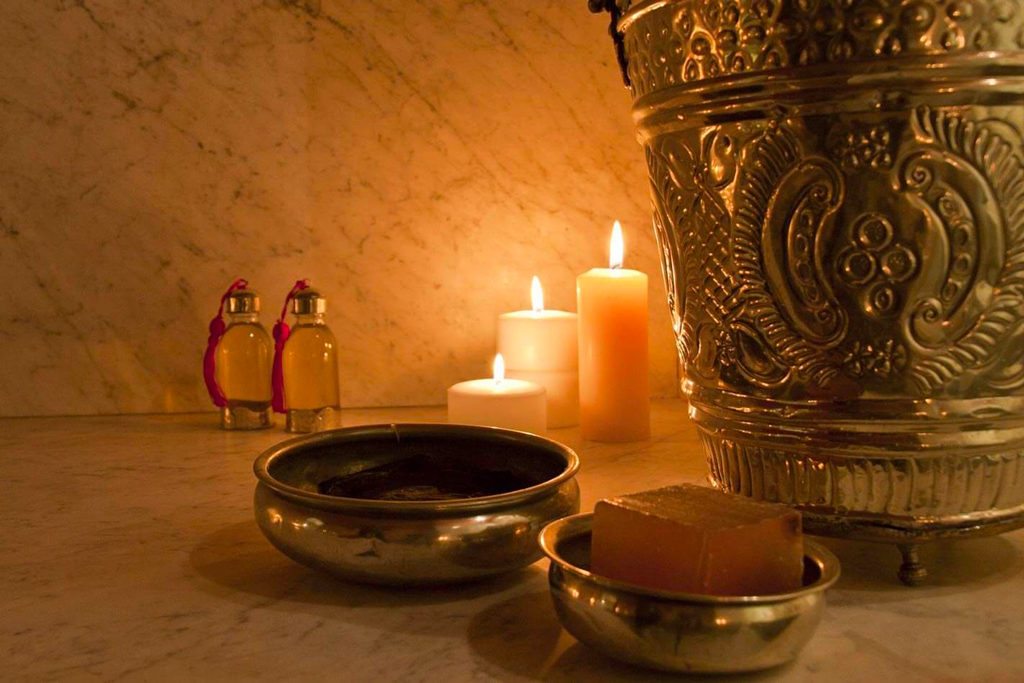
Hammam Experience
Experience a traditional Moroccan bath with spa recommendations available through Riad Yasmine.
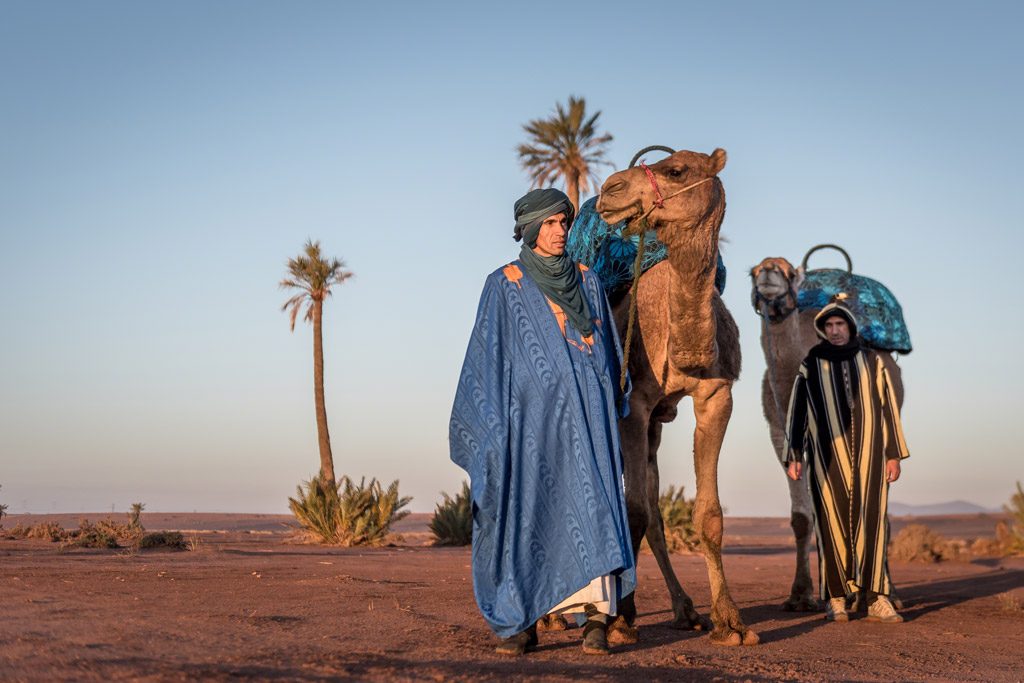
Camel Ride
A relaxed camel ride on the outskirts of Marrakech between stony desert landscapes and palm groves.
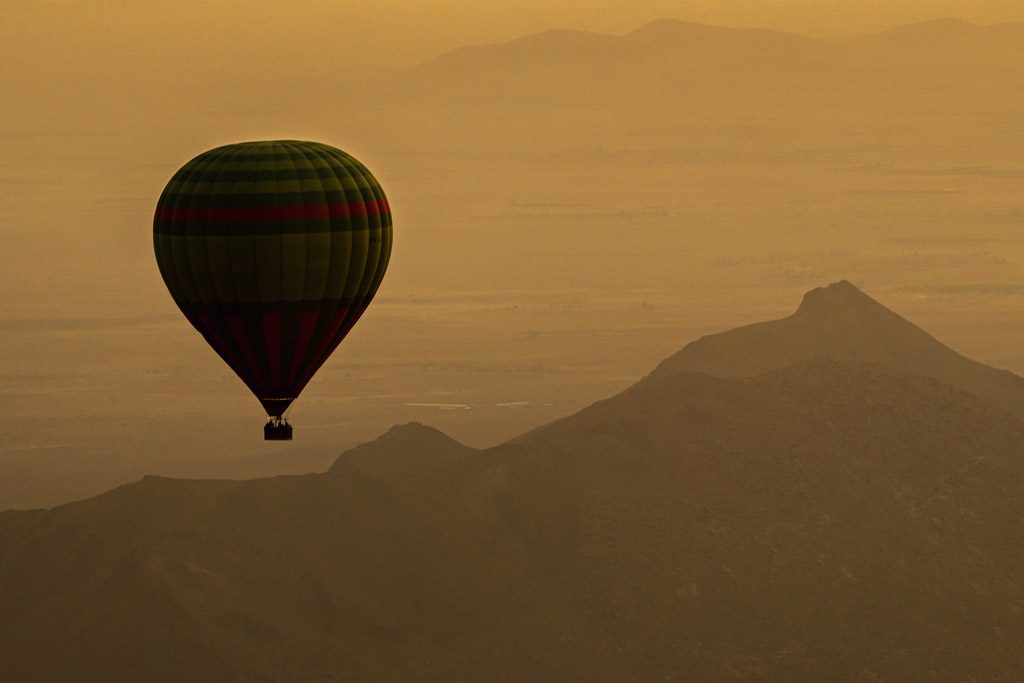
Cultural Experience
Take to the sky for a memorable balloon flight above the Marrakech region.
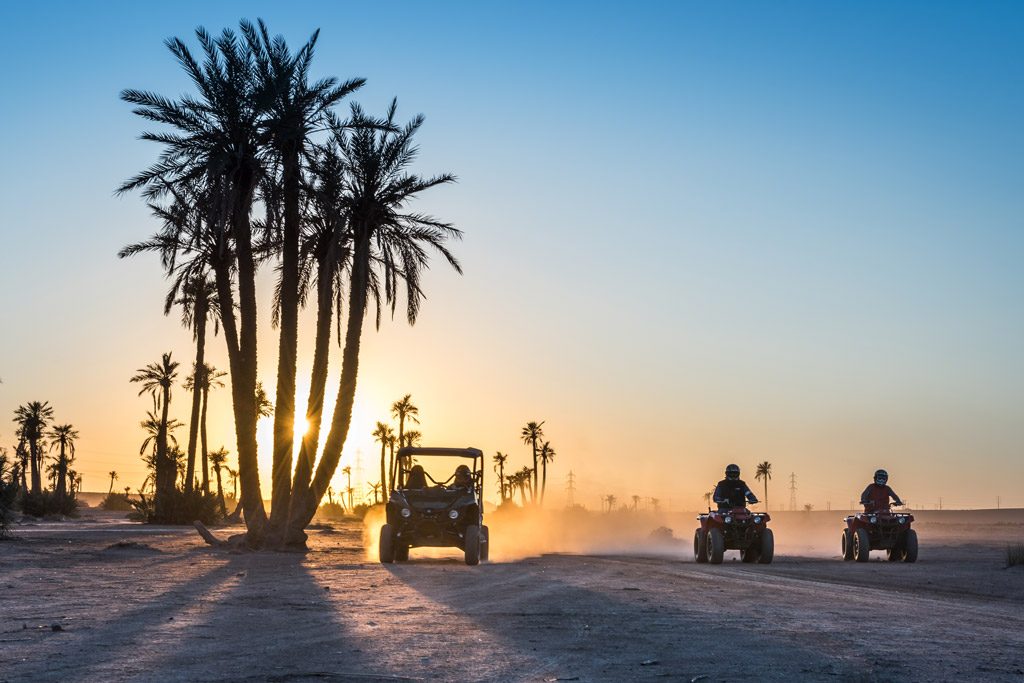
Quad Bike
Ride from the Palmeraie through the plains and desert terrain of the Jbilets.
Live the city
Open the editorial cards for context; use live listings for specific places.
Marrakech is one of Morocco’s best all-round food cities, ranging from market stalls and neighborhood grills to riad…
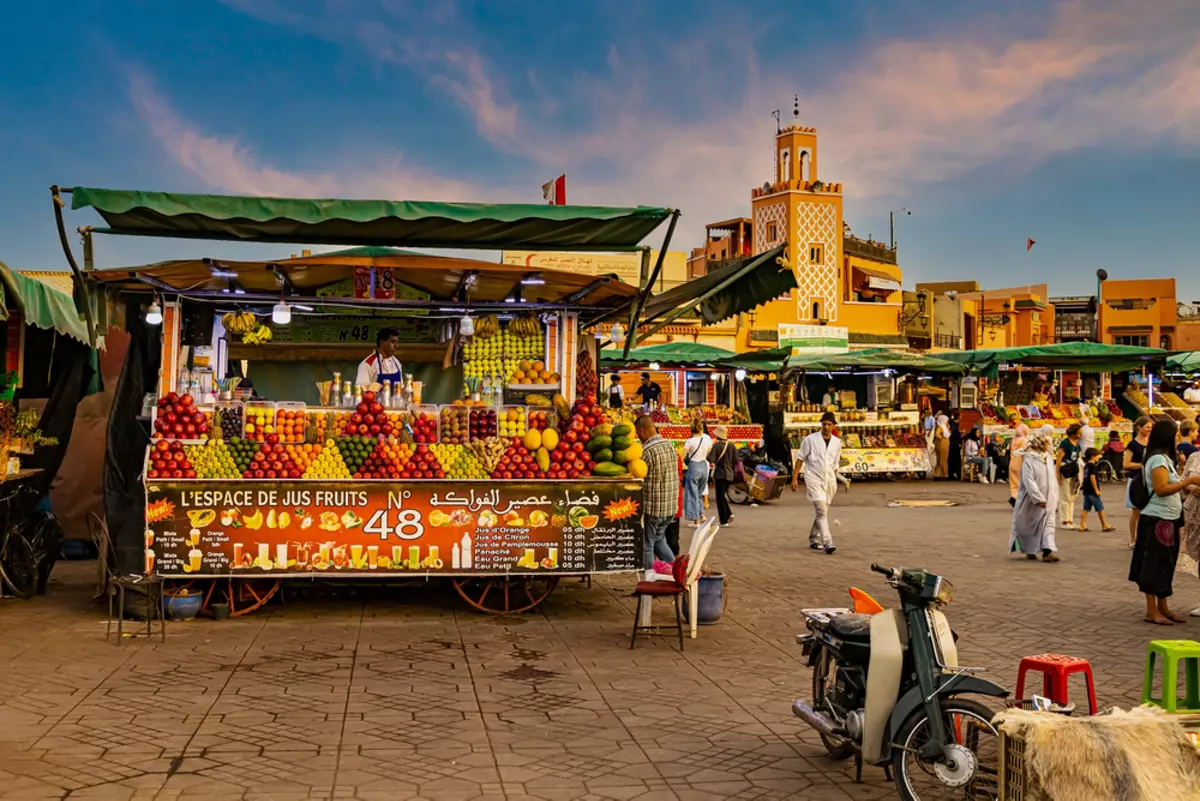
Marrakech is one of Morocco’s best all-round food cities, ranging from market stalls and neighborhood grills to riad dinners, contemporary Moroccan kitchens and ambitious fine dining. Tanjia Marrakchia is the city’s signature specialty; also seek out tagines, couscous, harira, grilled meats, Moroccan salads, msemen and pastries. Jemaa el-Fna is valuable for atmosphere and sampling, but the city’s best food experiences extend well beyond the square into the medina, Gueliz and hotel dining.
Marrakech is one of Morocco’s major shopping and design destinations. The medina souks are strong for textiles,…
Marrakech is one of Morocco’s major shopping and design destinations. The medina souks are strong for textiles, leather, lanterns, spices, baskets, woodwork, carpets, slippers and decorative crafts, while Sidi Ghanem and parts of Gueliz add contemporary Moroccan design and homeware. Compare quality, ask about materials, inspect the exact item you are buying and treat bargaining as optional negotiation rather than a confrontation.
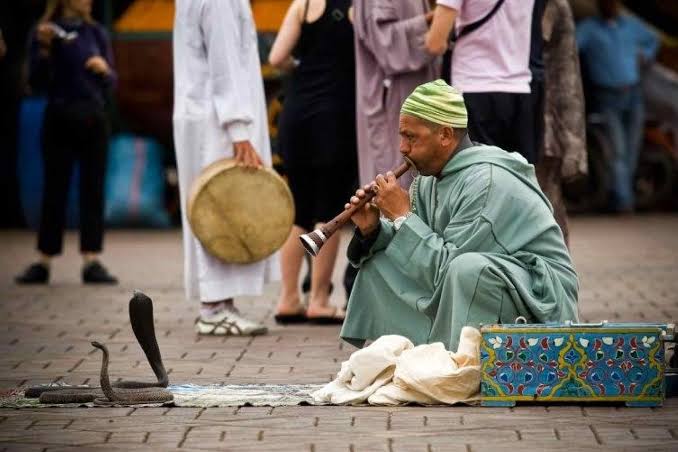
Marrakech has one of Morocco’s liveliest evening scenes. Jemaa el-Fna provides open-air food and performance after…
Marrakech has one of Morocco’s liveliest evening scenes. Jemaa el-Fna provides open-air food and performance after dark; rooftops and riads suit relaxed evenings; Gueliz and Hivernage offer lounges, bars, live music and clubs; luxury hotels add licensed restaurants and cocktail venues. Travelers who value nightlife are much better matched to Marrakech than to quieter heritage cities, but alcohol availability is concentrated in licensed venues.
Marrakech is an exceptional day-trip base. The closest contrasts are the High Atlas foothills, Ourika Valley, Imlil…
Marrakech is an exceptional day-trip base. The closest contrasts are the High Atlas foothills, Ourika Valley, Imlil and the Toubkal area, Lalla Takerkoust and the rocky Agafay landscape. Ouzoud waterfalls and Essaouira are longer full-day excursions. Aït Ben Haddou and Ouarzazate are possible in a very long day but are better with an overnight if time allows. Agafay should not be confused with the Sahara: it is a stony desert landscape near Marrakech, while the major Saharan dune fields require a multi-day journey.

Cafe
Medina · Rahba Lakdima
Three-level café restaurant overlooking Rahba Lakdima spice square, with a rooftop terrace and Moroccan-international menu.

Restaurant
Medina · Rahba Kedima
Modern Moroccan restaurant focused on fresh seasonal ingredients, with traditional revisions and international dishes with a Moroccan twist.

Restaurant
Agdal
Traditional Moroccan restaurant in the Agdal tourist zone, managed and served by the women of Al Fassia.

Restaurant
Medina · Bab Doukkala
Long-established Moroccan fine-dining restaurant in the Marrakech Medina, known for an elaborate traditional dining experience.
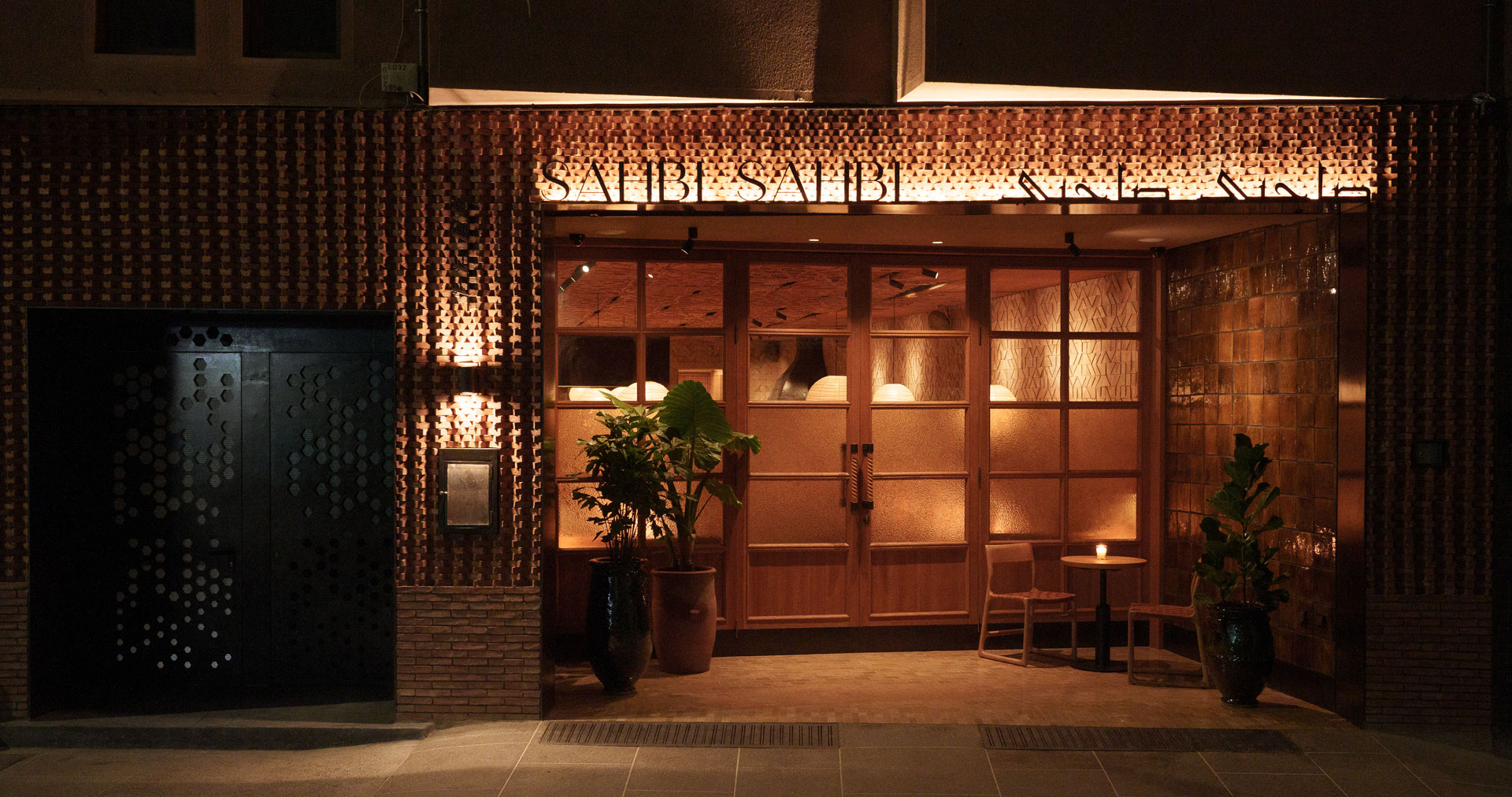
Restaurant
Guéliz
Contemporary Moroccan restaurant centered on recipes passed down by Dadas and an all-women culinary team.
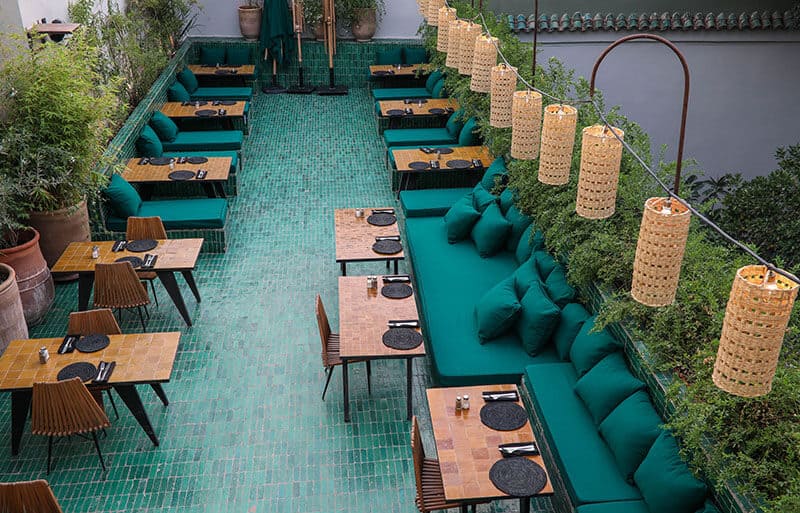
Restaurant
Medina · Souk Sidi Abdelaziz
A 1960s riad transformed into a plant-filled oasis serving Moroccan and European food in Marrakech Medina.
Useful without booking
10 practical points — tap to read
12 practical points — tap to read
Practical confidence
Open the topic you need instead of reading one long manual.
Marrakech is heavily visited and most trips are trouble-free, but busy tourist areas require normal urban…
Marrakech is heavily visited and most trips are trouble-free, but busy tourist areas require normal urban precautions. Pickpocketing, bag-snatching, aggressive sales approaches, bogus guides and payment or merchandise scams are the most relevant issues in tourist districts. Keep valuables secure, be cautious with strangers offering unsolicited directions or guiding, use licensed guides, and take extra care in quiet unfamiliar lanes late at night.
Marrakech can work for travelers with mobility needs, but the experience varies sharply by district. Gueliz,…
Marrakech can work for travelers with mobility needs, but the experience varies sharply by district. Gueliz, Hivernage and modern hotels generally provide easier vehicle access, lifts and smoother routes. The historic medina has uneven surfaces, narrow passages, curbs, steps, motorcycles and many riads without lifts. Travelers who need step-free access should choose accommodation near a vehicle-accessible medina edge or in the modern city and confirm the complete route from taxi drop-off to room before booking.
Morocco uses the Moroccan dirham (MAD). ATMs are widespread in Marrakech and cards are accepted at many hotels,…
Morocco uses the Moroccan dirham (MAD). ATMs are widespread in Marrakech and cards are accepted at many hotels, restaurants and larger shops, but cash remains essential in souks, small cafés, taxis, tips and many informal transactions. Carry smaller notes and coins, use bank-affiliated ATMs when possible, and exchange money only through banks or authorized bureaux.
Tipping is customary but discretionary. In cafés and taxis, rounding up is common when service is good; in…
Tipping is customary but discretionary. In cafés and taxis, rounding up is common when service is good; in restaurants, around 5–10% is a useful reference if service is not already included. Porters, guides, drivers and hammam staff are generally tipped according to service and duration. Keep small dirham notes available.
No special tourist dress is required, but lightweight, relatively modest clothing is the easiest default in…
No special tourist dress is required, but lightweight, relatively modest clothing is the easiest default in Marrakech. Covering shoulders and roughly to the knee is comfortable for sun protection and respectful in traditional areas; bring a layer for cool winter evenings. Resort pools and many modern hotels are more relaxed, while religious areas call for more conservative dress.
During Ramadan, Marrakech remains active but daily rhythms change. Some cafés and businesses reduce daytime hours,…
During Ramadan, Marrakech remains active but daily rhythms change. Some cafés and businesses reduce daytime hours, restaurants may adjust service, and the city becomes especially lively after sunset. Avoid conspicuous eating, drinking or smoking in public during daylight out of consideration for people fasting. Allow extra travel time before iftar, confirm attraction hours the same day and dress a little more conservatively.
Mobile data coverage is generally strong across Marrakech, and Wi-Fi is standard in most riads, hotels, cafés and…
Mobile data coverage is generally strong across Marrakech, and Wi-Fi is standard in most riads, hotels, cafés and coworking-friendly venues. Prepaid SIM and eSIM options are widely available from Morocco’s main mobile operators. Thick riad walls and deep medina rooms can weaken signal, so download offline maps and your accommodation access instructions before arrival.
10 practical points — tap to read
10 practical points — tap to read
Police 190 · Ambulance / Fire 150 · Gendarmerie 177 · SAMU medical assistance 141 For non-urgent visitor problems,…
Police 190 · Ambulance / Fire 150 · Gendarmerie 177 · SAMU medical assistance 141 For non-urgent visitor problems, ask your accommodation or a licensed guide to direct you to the nearest police service or appropriate visitor-assistance contact. At the airport, use official ONDA desks and services. For a serious incident, contact local emergency services first, then your travel insurer and accommodation. Keep passport copies, insurance details and your accommodation address available offline. Marrakech has public and private hospitals and clinics; ask your hotel, riad or insurer to direct you to the most appropriate facility.
Traveler lenses
The same destination can feel very different depending on who is traveling.
Marrakech is a strong family destination when pace and logistics are managed well. Gardens, palaces, food, craft…
Marrakech is a strong family destination when pace and logistics are managed well. Gardens, palaces, food, craft workshops, pools and short Atlas or Agafay excursions give children variety. Families with young children should avoid overlong medina days, use a carrier rather than relying exclusively on a stroller, choose a pool in hot months and consider a hotel or riad near an accessible edge. School-age children and teenagers usually handle the destination especially well.
Marrakech is popular with solo travelers because there is abundant accommodation, dining and activity choice. A…
Marrakech is popular with solo travelers because there is abundant accommodation, dining and activity choice. A licensed introductory walking tour can make the medina easier to understand, but independent exploration is very possible. Keep your riad location and access point offline, avoid quiet unfamiliar lanes late at night and use a taxi or arranged transfer when you do not feel comfortable walking. Solo women may receive unwanted attention; firm boundaries and normal urban precautions help.
Marrakech is one of Morocco’s strongest couples destinations: courtyard riads, hammams, rooftop dinners, gardens,…
Marrakech is one of Morocco’s strongest couples destinations: courtyard riads, hammams, rooftop dinners, gardens, design hotels and nearby Atlas or Agafay excursions create an easy romantic itinerary. Medina riads give atmosphere; Hivernage and the Palmeraie offer more resort-style comfort. Nightlife is available without being mandatory. Keep public displays of affection discreet in traditional and religious areas.
Traveler questions
Three full days is a strong first visit. Four or five days is better if you want slower neighborhoods, wellness time…
Three full days is a strong first visit. Four or five days is better if you want slower neighborhoods, wellness time or a day trip without rushing.
March to May and October to November are generally the most comfortable periods for walking and sightseeing. Winter…
March to May and October to November are generally the most comfortable periods for walking and sightseeing. Winter days are mild but nights can be cool.
July and August are very hot, with average daytime highs around 37°C. A summer visit is still possible if you start…
July and August are very hot, with average daytime highs around 37°C. A summer visit is still possible if you start early, rest around midday, hydrate and choose strong air-conditioning or a pool.
Choose the medina for maximum atmosphere and walkable historic sights, Gueliz or Hivernage for easier vehicle access…
Choose the medina for maximum atmosphere and walkable historic sights, Gueliz or Hivernage for easier vehicle access and modern dining, or the Palmeraie for a resort-style stay.
Only some streets and edges are vehicle-accessible. Many riads require a final walk from a gate or taxi drop-off, so…
Only some streets and edges are vehicle-accessible. Many riads require a final walk from a gate or taxi drop-off, so confirm arrival instructions before travel.
Most visits are trouble-free, but secure valuables in crowded areas, be alert to scams and bogus guides, and use…
Most visits are trouble-free, but secure valuables in crowded areas, be alert to scams and bogus guides, and use normal caution in quiet unfamiliar lanes after dark.
Yes. Gardens, palaces, food, pools and excursions offer variety, but families should manage heat and medina crowds…
Yes. Gardens, palaces, food, pools and excursions offer variety, but families should manage heat and medina crowds carefully; strollers can be awkward on uneven lanes.
Modern districts and newer hotels are substantially easier than the historic medina. If step-free access is…
Modern districts and newer hotels are substantially easier than the historic medina. If step-free access is important, confirm both the property itself and the full route from vehicle drop-off to the room.
Start with tanjia Marrakchia, then explore tagines, couscous, harira, grilled meats, Moroccan salads, msemen and…
Start with tanjia Marrakchia, then explore tagines, couscous, harira, grilled meats, Moroccan salads, msemen and pastries across markets, riads and contemporary restaurants.
Yes. It has one of Morocco’s broadest evening scenes, from Jemaa el-Fna and rooftops to licensed bars, lounges and…
Yes. It has one of Morocco’s broadest evening scenes, from Jemaa el-Fna and rooftops to licensed bars, lounges and clubs in Gueliz, Hivernage and major hotels.
No. Agafay is a nearby rocky and stony desert landscape. Reaching Morocco’s major Saharan dune areas from Marrakech…
No. Agafay is a nearby rocky and stony desert landscape. Reaching Morocco’s major Saharan dune areas from Marrakech normally requires a multi-day road trip.
Use the official airport taxi system or the city-airport shuttle. ONDA says taxi fares are posted or fixed by…
Use the official airport taxi system or the city-airport shuttle. ONDA says taxi fares are posted or fixed by destination and that the shuttle runs about every 20 minutes. Confirm the nearest medina drop-off with your accommodation.
Yes. ONCF Al Atlas trains connect Marrakech directly through Casablanca and Rabat and onward to Meknes and Fez. Check…
Yes. ONCF Al Atlas trains connect Marrakech directly through Casablanca and Rabat and onward to Meknes and Fez. Check the current timetable for your travel date.
No, but a licensed guide can add historical context and make a first medina visit easier. Independent exploration is…
No, but a licensed guide can add historical context and make a first medina visit easier. Independent exploration is very possible with offline maps and clear riad access instructions.
Yes. Save offline maps, know your riad’s nearest access point and expect occasional navigation errors in the medina.…
Yes. Save offline maps, know your riad’s nearest access point and expect occasional navigation errors in the medina. Use taxis for longer cross-city trips.
Marrakech is in central-western Morocco, north of the High Atlas Mountains. It is connected by train to Casablanca,…
Marrakech is in central-western Morocco, north of the High Atlas Mountains. It is connected by train to Casablanca, Rabat, Meknes and Fez and by air through Marrakech-Menara Airport.
Licensed media used by Ask Morocco for Marrakech. Credits and licence links are preserved from the original source.
Cover photo
Marrakech Medina rooftops — photo by Misa.stefanovic.07, CC BY-SA 4.0 via Wikimedia Commons.
Gallery photo 1
Koutoubia minaret over Marrakech rooftops — photo by Schorle, CC BY-SA 4.0 via Wikimedia Commons.
Gallery photo 2
Bahia Palace — photo by Jorge Láscar, CC BY 2.0 via Wikimedia Commons.
Gallery photo 3
Majorelle Garden — photo by Anas taleb, CC BY-SA 4.0 via Wikimedia Commons.
Gallery photo 4
Jemaa el-Fna panorama — photo by NikoSilver, released to the public domain via Wikimedia Commons.