Tétouan
Tetouan · تطوان · Tittawin
A UNESCO-listed Andalusian medina, Hispano-Moorish architecture, living craft traditions and easy access to northern Morocco’s Mediterranean coast.
Destination snapshot
Tanger-Tétouan-Al Hoceïma, Morocco
Ideal stay
2–4 days
Daily budget
450 MAD–2,200 MAD / day
Best time
April–June and September–October are the easiest all-round periods, with mild…
Languages
Moroccan Arabic (Darija) · Arabic · Amazigh
Region
Tanger-Tétouan-Al Hoceïma, Morocco
At a glance
Why Tétouan?
Explore Tétouan’s UNESCO medina, Andalusian and Spanish-era architecture, artisan quarters, markets and museums, then combine the city with nearby Martil and Tamuda Bay.
The Tétouan story
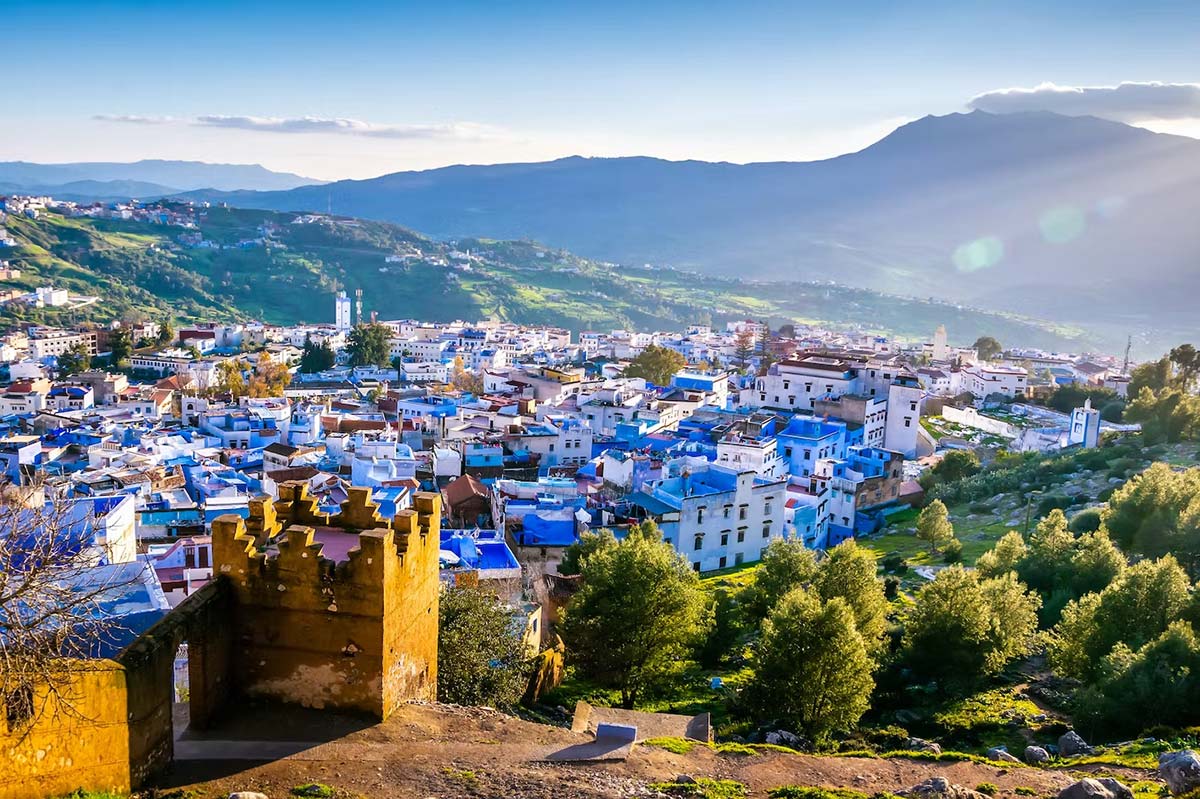
Tétouan is one of northern Morocco’s strongest heritage cities: a compact UNESCO-listed medina shaped by Andalusian…
The Tétouan story
Tétouan is one of northern Morocco’s strongest heritage cities: a compact UNESCO-listed medina shaped by Andalusian…
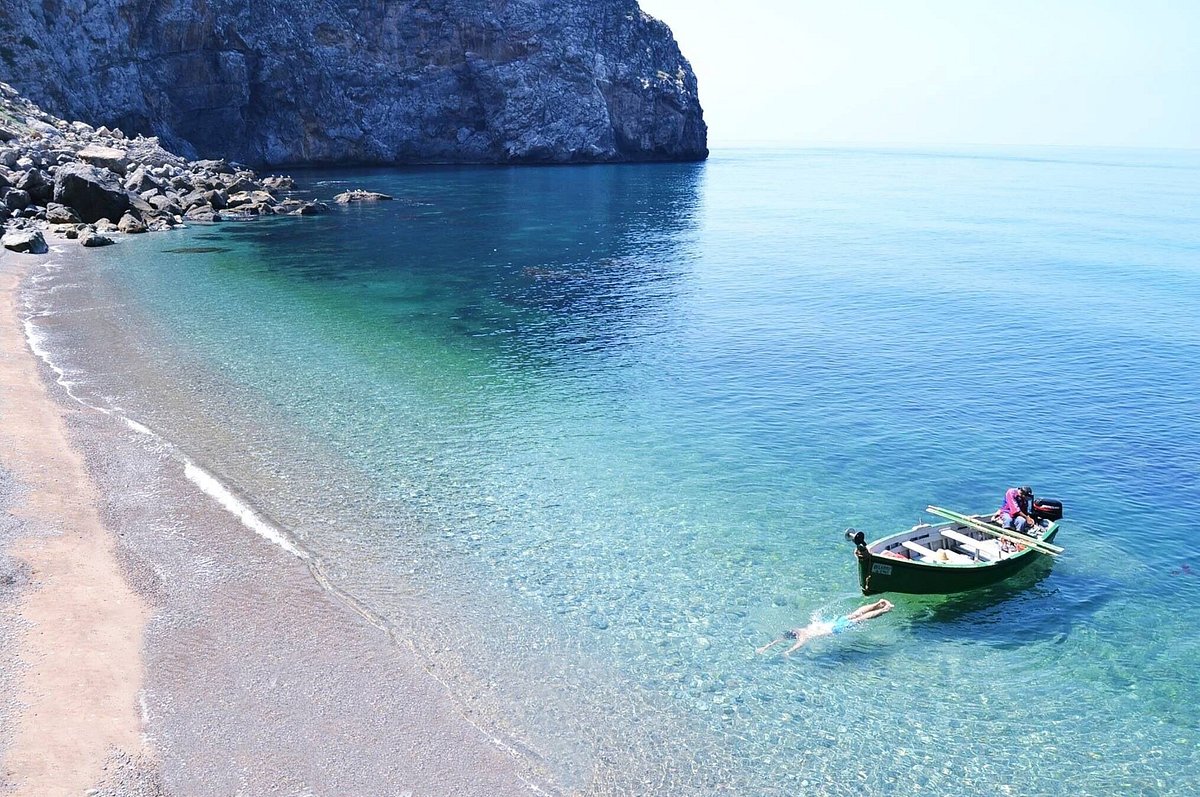
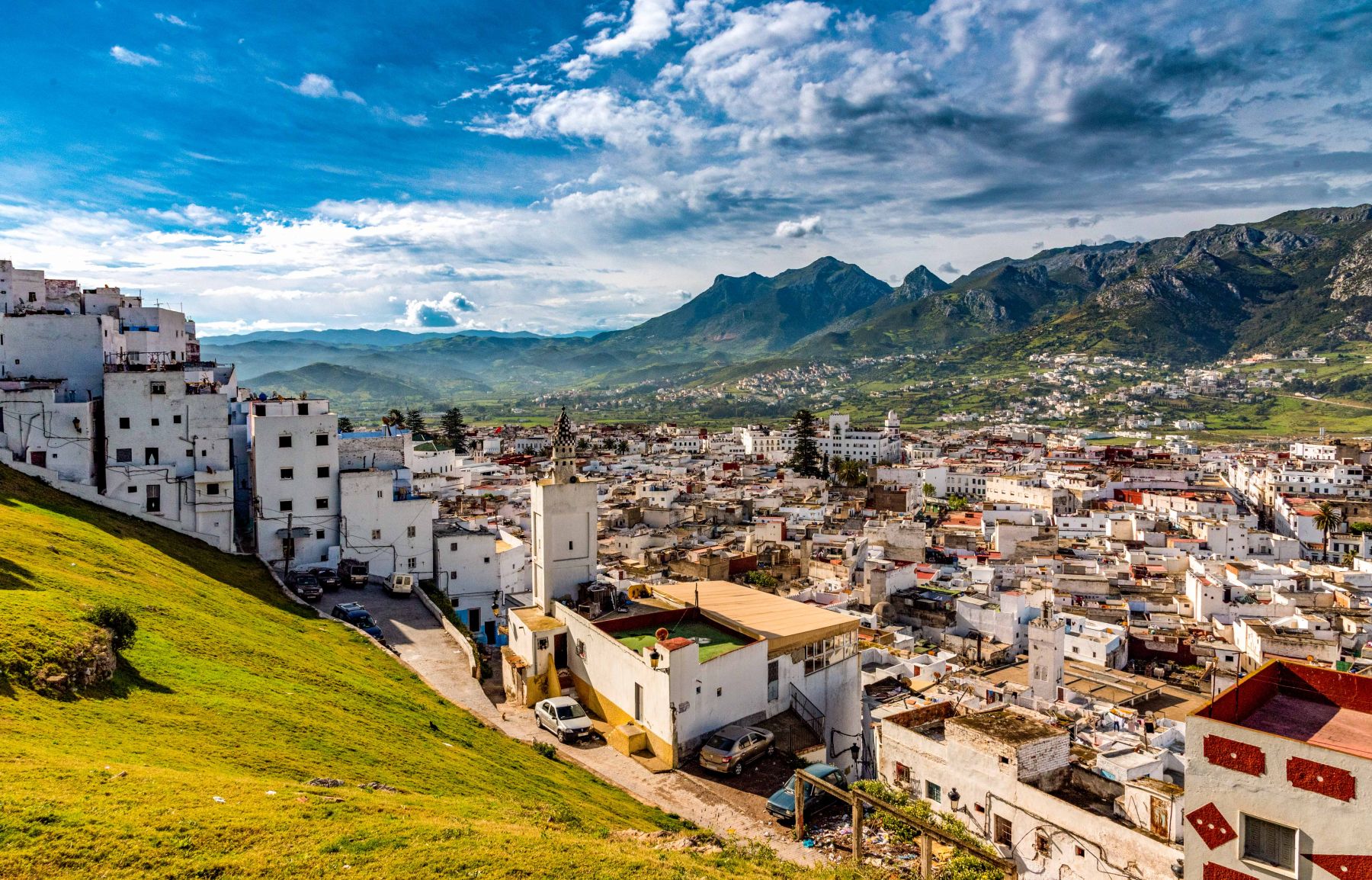
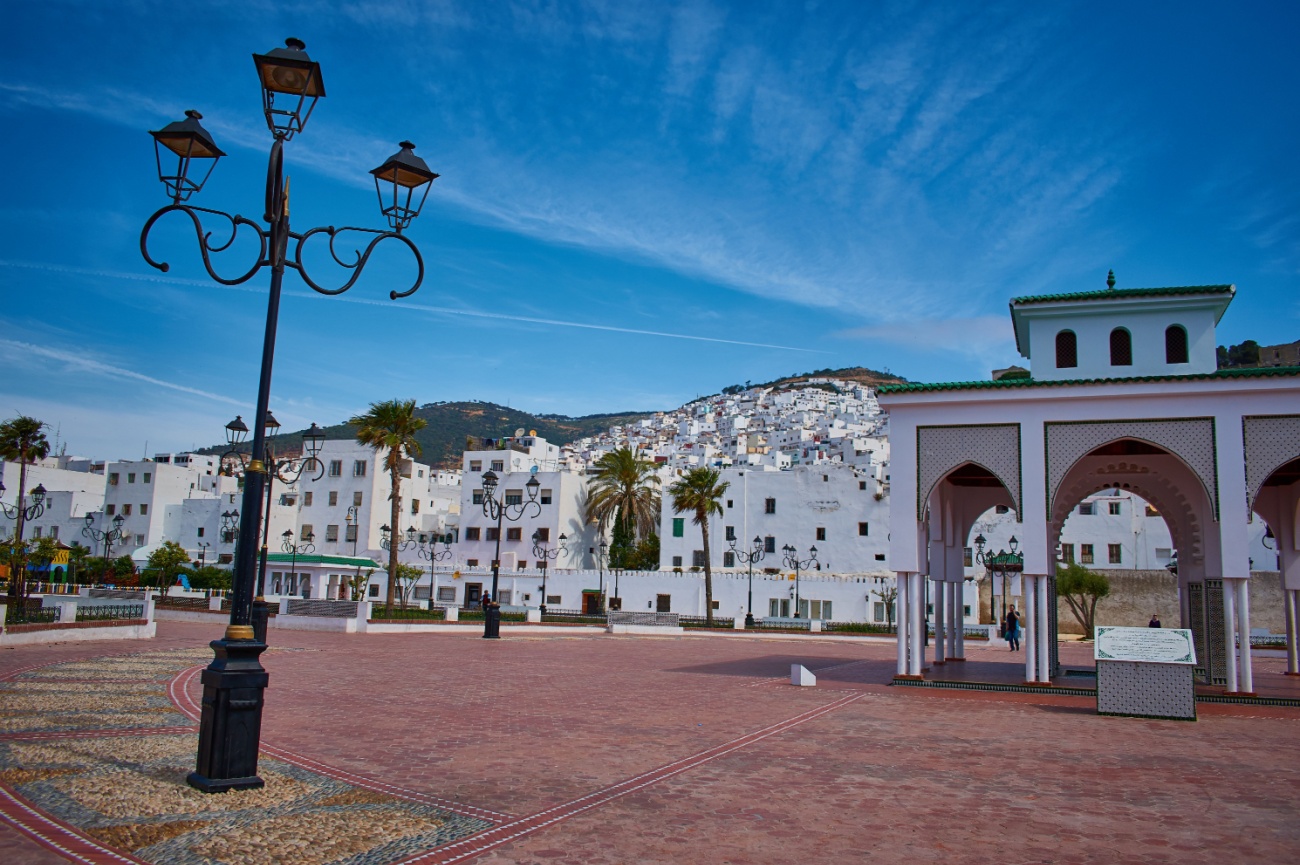
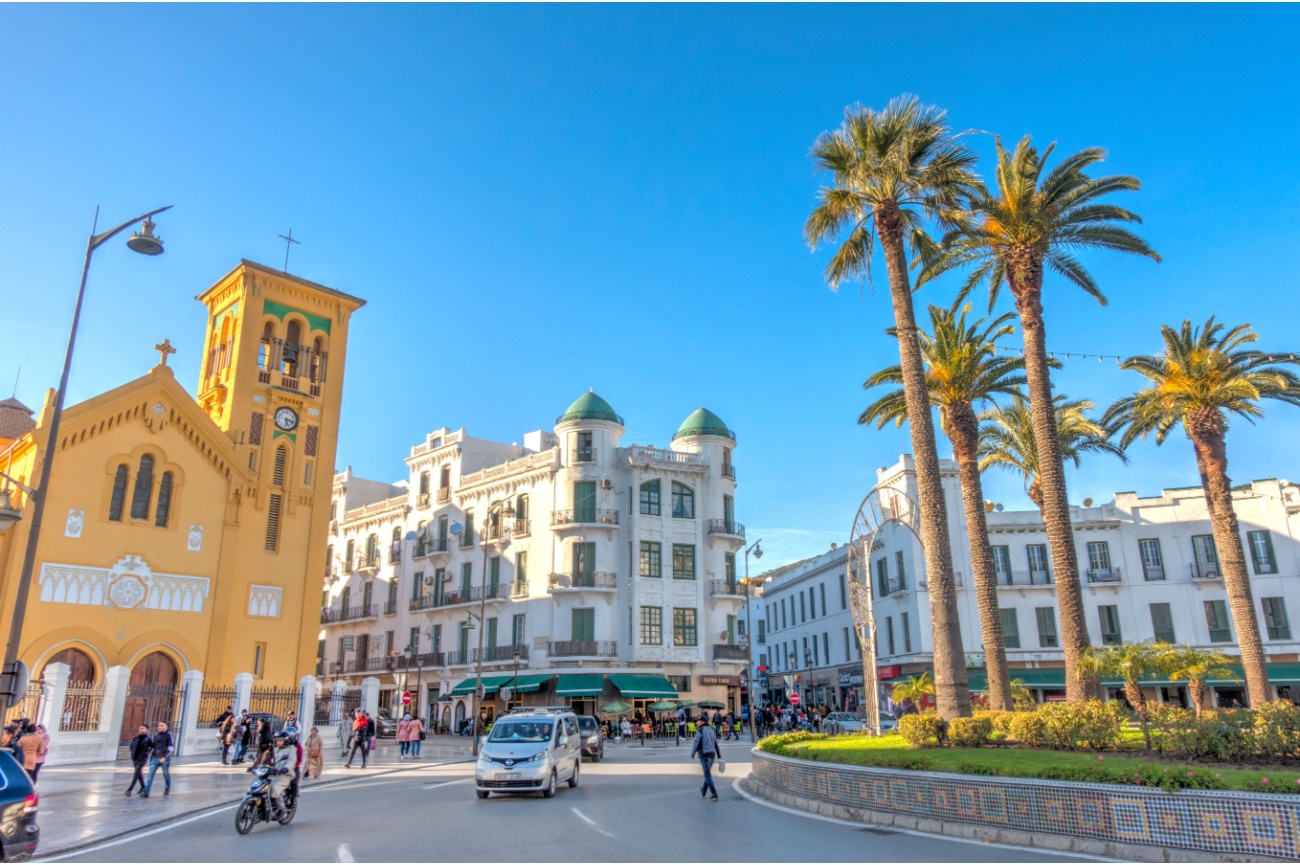
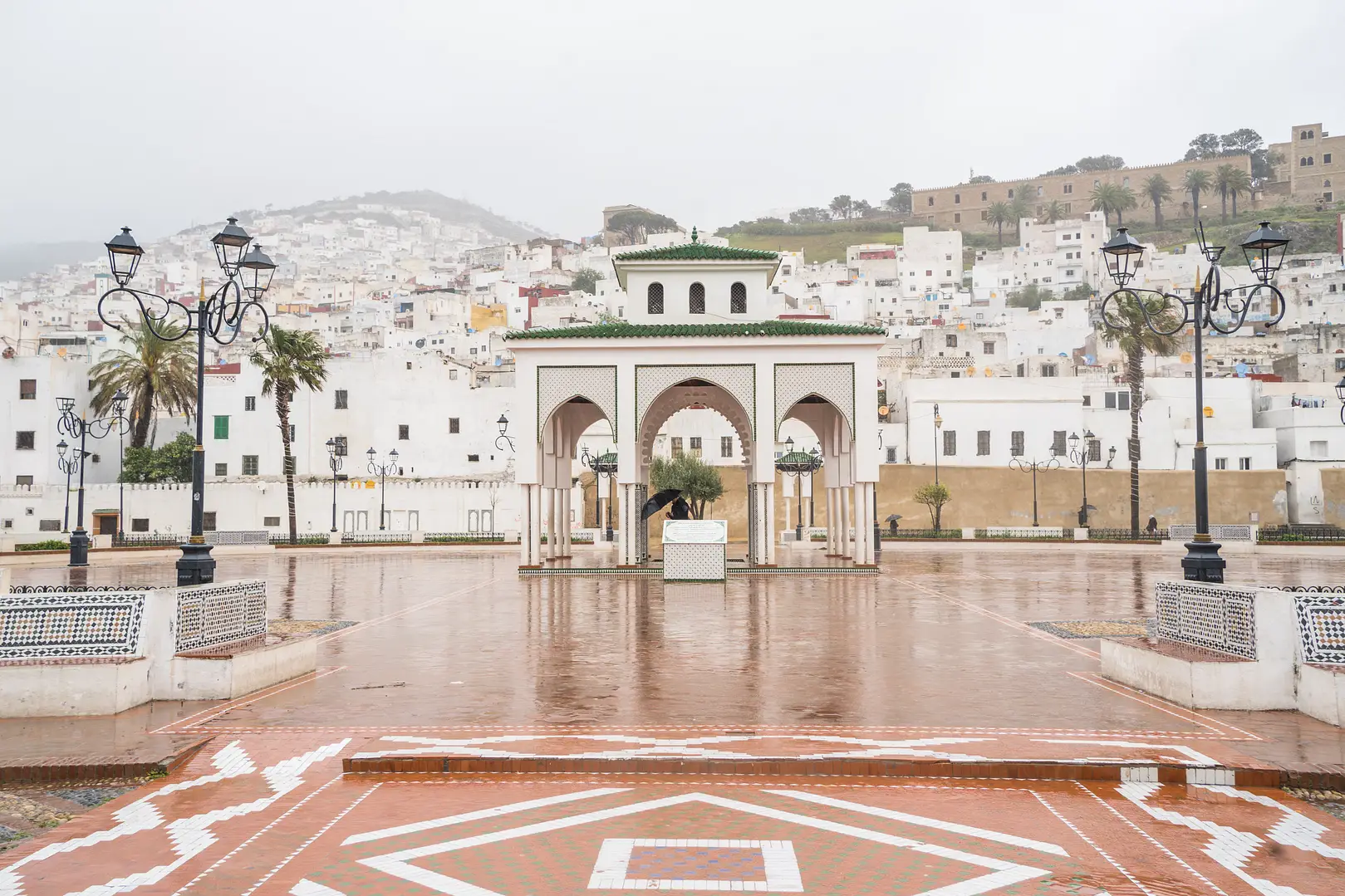
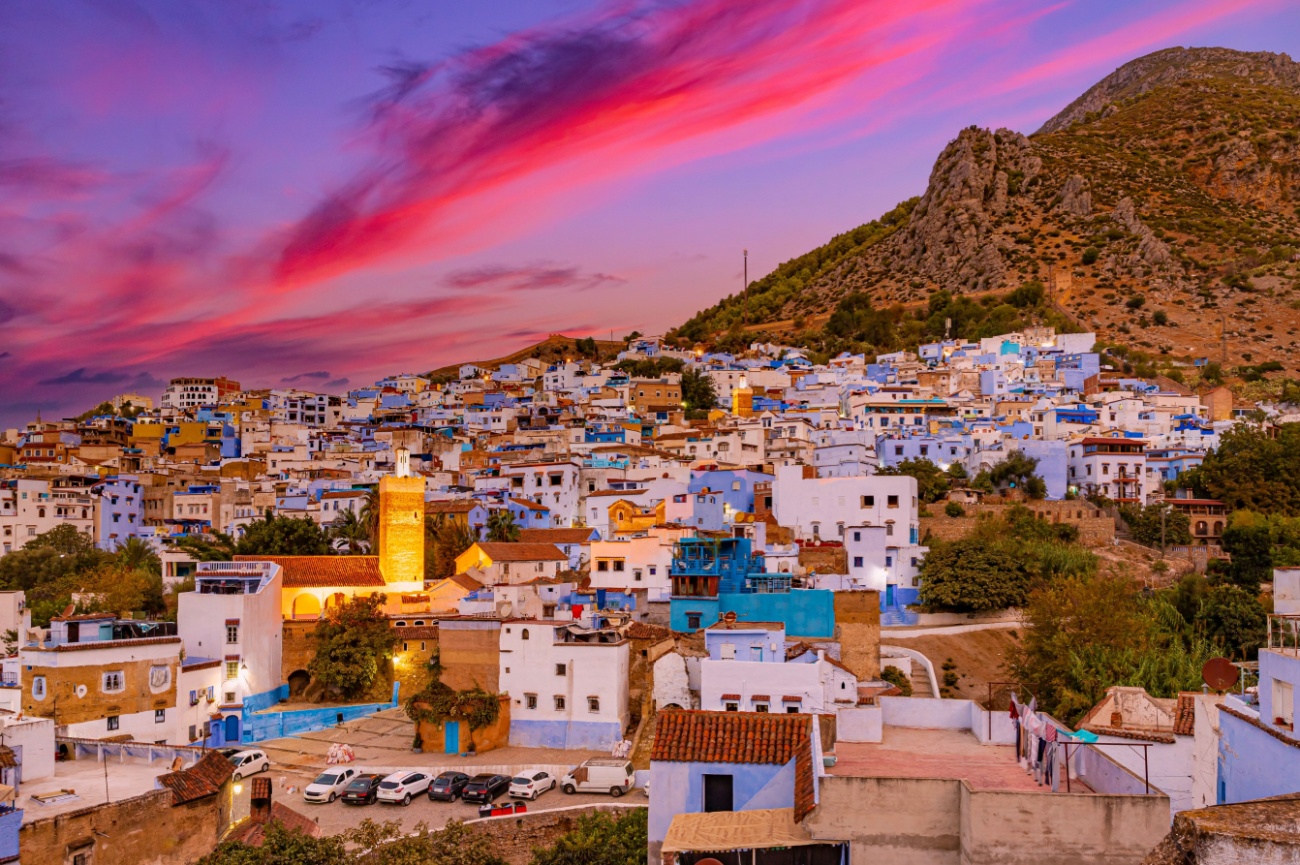
Tétouan is one of northern Morocco’s strongest heritage cities: a compact UNESCO-listed medina shaped by Andalusian migration, Hispano-Moorish architecture, living craft traditions and a distinctive Spanish-era new town. The old city is not a museum quarter—it remains a working network of homes, markets, workshops, mosques and neighborhood streets, making slow exploration more rewarding than rushing between monuments. Outside the walls, the Ensanche and central avenues reveal another layer of Tétouan through early-20th-century Spanish-influenced architecture, cafés and civic buildings. The city also works as an inland cultural base for the Mediterranean coast: Martil, M’diq, Cabo Negro and Tamuda Bay are close enough to combine heritage sightseeing with beach time, while Chefchaouen and Tangier make natural onward stops. Two nights is a strong first stay focused on the medina and city center; three or four days work better if you want museums, crafts, archaeology and a coast day. Tétouan is especially rewarding for travelers interested in architecture, history, local life and northern Moroccan culture rather than nightlife-heavy resort travel.
Known for
Best for
When Fez may not fit
6 practical points — tap to read
When Fez may not fit
6 practical points — tap to read
- You want a resort-only beach holiday without urban sightseeing.
- You strongly dislike narrow pedestrian medina lanes or uneven paving.
- You want a large club and nightlife scene.
- You expect every attraction to have modern step-free access.
- You only have time for one northern city and primarily want major international transport connections.
- You want desert scenery or a classic southern Morocco landscape.
Plan smarter
Open only what you need
The full guide is here without forcing you through walls of text. Tap a card for the detail relevant to your trip.
How much time to give it
Choose a trip length to see a realistic pace.
Tétouan essentials
1 days
Tétouan essentials
1 days
Enter the medina in the morning, focus on its gates, Mellah, artisan streets and markets, then cross into the Ensanche for Spanish-era architecture, cafés and an evening meal.
Heritage and Mediterranean contrast
2 days
Heritage and Mediterranean contrast
2 days
Use day one for the medina and Ensanche. On day two, add museums or artisan visits in the morning, then continue to Martil or M’diq for a coastal walk, beach time and seafood.
Northern Morocco at a slower pace
3 days
Northern Morocco at a slower pace
3 days
Add deeper craft and neighborhood time, Tamuda archaeological heritage or another cultural stop, then devote a half or full day to Tamuda Bay, Cabo Negro or a carefully planned nearby excursion before continuing to Chefchaouen or Tangier.
Weather & seasons
April–June and September–October are the easiest all-round periods, with mild weather for medina walks and comfortable conditions for the nearby Mediterranean coast. July and August are hotter and much busier on the coast, especially around Martil, M’diq and Tamuda Bay. Winter is generally mild but wetter and cooler, with shorter days and occasional heavy rain.
Climate overview
Tétouan has a Mediterranean-influenced climate with warm, relatively dry summers and mild, wetter winters. The Rif…
Climate overview
Tétouan has a Mediterranean-influenced climate with warm, relatively dry summers and mild, wetter winters. The Rif…
Tétouan has a Mediterranean-influenced climate with warm, relatively dry summers and mild, wetter winters. The Rif foothills and proximity to the sea can bring humidity, wind and fast weather changes. Spring and autumn are particularly comfortable for walking. In winter, carry a waterproof layer; in summer, use shade, water and early or late sightseeing for the medina.
Spring
March–May is excellent for heritage walks, crafts and day trips. Temperatures are usually mild, though rain remains…
Spring
March–May is excellent for heritage walks, crafts and day trips. Temperatures are usually mild, though rain remains…
March–May is excellent for heritage walks, crafts and day trips. Temperatures are usually mild, though rain remains possible, especially earlier in spring.
Summer
June–August is warm and dry, with the nearby Mediterranean coast at its busiest. Book coastal stays early and plan…
Summer
June–August is warm and dry, with the nearby Mediterranean coast at its busiest. Book coastal stays early and plan…
June–August is warm and dry, with the nearby Mediterranean coast at its busiest. Book coastal stays early and plan medina sightseeing for mornings or late afternoons.
Autumn
September–November starts warm and is often ideal for combining city and beach time. Rain risk increases later in the…
Autumn
September–November starts warm and is often ideal for combining city and beach time. Rain risk increases later in the…
September–November starts warm and is often ideal for combining city and beach time. Rain risk increases later in the season.
Winter
December–February is cooler and wetter. Tétouan remains visitable year-round, but bring rain protection and confirm…
Winter
December–February is cooler and wetter. Tétouan remains visitable year-round, but bring rain protection and confirm…
December–February is cooler and wetter. Tétouan remains visitable year-round, but bring rain protection and confirm mountain or coastal road conditions during storms.
Arrival & movement
Getting there and moving around
Getting to the city
Tétouan is reached by road and air rather than direct passenger rail. Tétouan Saniat R’mel Airport (TTU) serves the…
Getting to the city
Tétouan is reached by road and air rather than direct passenger rail. Tétouan Saniat R’mel Airport (TTU) serves the…
Tétouan is reached by road and air rather than direct passenger rail. Tétouan Saniat R’mel Airport (TTU) serves the city, while Tangier Ibn Battouta Airport (TNG) is a larger alternative roughly an hour-plus away by road depending on traffic. For rail travelers, Tangier is the practical interchange: take Al Boraq or other ONCF services to Tangier, then continue to Tétouan by Supratours, CTM, taxi or private transfer. Coaches connect Tétouan with Tangier, Chefchaouen, Fez, Rabat and other Moroccan cities; always verify the exact operator, terminal and live timetable.
Getting around
The medina and central Ensanche are best explored on foot. Petit taxis are the most practical option for cross-city…
Getting around
The medina and central Ensanche are best explored on foot. Petit taxis are the most practical option for cross-city…
The medina and central Ensanche are best explored on foot. Petit taxis are the most practical option for cross-city trips, airport transfers within the city area and reaching bus stations or residential districts. Local buses serve parts of the urban area and nearby coast, but routes and frequencies are less intuitive for short-stay visitors. For Martil, M’diq, Cabo Negro or multiple coastal stops, shared taxis, buses or a private driver can be more efficient than repeated city taxis.
Airport access
Tétouan Saniat R’mel Airport (TTU) is the local airport and is only a short road transfer from central Tétouan.…
Airport access
Tétouan Saniat R’mel Airport (TTU) is the local airport and is only a short road transfer from central Tétouan.…
Tétouan Saniat R’mel Airport (TTU) is the local airport and is only a short road transfer from central Tétouan. Flight frequency and destinations vary by season, so verify current ONDA and airline schedules. Tangier Ibn Battouta Airport (TNG) offers a broader alternative; allow substantial buffer time for the road transfer, especially in summer and holiday traffic.
Train access
Tétouan has no ONCF passenger railway station. The standard rail connection is via Tangier, which is served by Al…
Train access
Tétouan has no ONCF passenger railway station. The standard rail connection is via Tangier, which is served by Al…
Tétouan has no ONCF passenger railway station. The standard rail connection is via Tangier, which is served by Al Boraq high-speed trains and conventional ONCF services. ONCF/Supratours connections can link Tangier with Tétouan and Martil. Check the current timetable and make sure the rail and coach connection leaves enough transfer time.
Bus & coach
CTM, Supratours and other coach operators provide road connections to Tétouan. Tangier and Chefchaouen are especially…
Bus & coach
CTM, Supratours and other coach operators provide road connections to Tétouan. Tangier and Chefchaouen are especially…
CTM, Supratours and other coach operators provide road connections to Tétouan. Tangier and Chefchaouen are especially common northern links, while longer services connect with central Morocco. Terminals and departure points vary, so use the address on the current ticket rather than relying on an old map pin or guidebook.
Walking
Tétouan is very walkable in its historic core and central new town, but the medina has slopes, steps, cobbles and…
Walking
Tétouan is very walkable in its historic core and central new town, but the medina has slopes, steps, cobbles and…
Tétouan is very walkable in its historic core and central new town, but the medina has slopes, steps, cobbles and narrow lanes. The walk between the medina gates, Feddan/royal-palace edge and the Ensanche is compact. For outer districts, the airport or the coast, use road transport. Comfortable shoes matter more than total distance because surfaces can be uneven.
Medina access
Most inner medina lanes are pedestrian and unsuitable for cars. If staying in a riad or guesthouse inside the walls,…
Medina access
Most inner medina lanes are pedestrian and unsuitable for cars. If staying in a riad or guesthouse inside the walls,…
Most inner medina lanes are pedestrian and unsuitable for cars. If staying in a riad or guesthouse inside the walls, ask the property for the closest gate or taxi drop-off and whether luggage assistance is available. Save the accommodation pin offline because several alleys have similar names and mobile signal can be weaker inside dense lanes. Travelers with limited mobility should confirm the exact route, steps and doorway access before booking.
Choose your base
Where to stay in Tétouan
Choose by atmosphere and access, then compare actual stays.
Medina / Mellah
Best for: UNESCO heritage, crafts, markets and atmospheric walking
Medina / Mellah
Best for: UNESCO heritage, crafts, markets and atmospheric walking
Best for: UNESCO heritage, crafts, markets and atmospheric walking
The essential Tétouan experience: narrow pedestrian lanes, historic gates, workshops, homes and religious buildings. Stay here for atmosphere, but confirm luggage and stair access.
Guersa El Kébira / artisan quarter
Best for: Embroidery, textiles and traditional craft
Guersa El Kébira / artisan quarter
Best for: Embroidery, textiles and traditional craft
Best for: Embroidery, textiles and traditional craft
A useful focus inside the medina for Jebli textiles, mendils, embroidery and artisan browsing. Visit in working hours rather than late evening.
Feddan / Royal Palace edge
Best for: Orientation between old and new city
Feddan / Royal Palace edge
Best for: Orientation between old and new city
Best for: Orientation between old and new city
A key transition zone beside the medina and palace area. Security rules can limit photography close to official buildings, so follow local signage and instructions.
Ensanche / Avenue Mohammed V
Best for: Spanish-era architecture, cafés and easier access
Ensanche / Avenue Mohammed V
Best for: Spanish-era architecture, cafés and easier access
Best for: Spanish-era architecture, cafés and easier access
Broader streets and early-20th-century architecture make this a practical base for travelers who want easier vehicle access while staying close to the medina.
Bab Okla / eastern medina edge
Best for: Medina access and craft-focused exploration
Bab Okla / eastern medina edge
Best for: Medina access and craft-focused exploration
Best for: Medina access and craft-focused exploration
A useful gate area for entering the old city and reaching cultural or artisan sites without staying deep inside the lanes.
Martil
Best for: Easy beach time and promenade evenings
Martil
Best for: Easy beach time and promenade evenings
Best for: Easy beach time and promenade evenings
A separate coastal town close to Tétouan, popular in summer. Good for combining a city stay with casual Mediterranean beach time; seasonal traffic can be heavy.
M’diq / Tamuda Bay
Best for: Upscale coast, restaurants and resort stays
M’diq / Tamuda Bay
Best for: Upscale coast, restaurants and resort stays
Best for: Upscale coast, restaurants and resort stays
A separate Mediterranean resort corridor north of Tétouan. Best treated as a coast extension rather than a Tétouan neighborhood.
Cabo Negro / Marina Smir corridor
Best for: Resort, marina and leisure-focused coast days
Cabo Negro / Marina Smir corridor
Best for: Resort, marina and leisure-focused coast days
Best for: Resort, marina and leisure-focused coast days
Another nearby coastal zone suited to travelers prioritizing beaches, golf, marina facilities or premium hotels. A car or arranged transfer is useful.
Stay in the city
Stays coming to Tétouan
Published stays will appear automatically as the inventory grows.
Explore
What to see & do in Tétouan
Visual recommendations stay visible; deeper planning information stays one tap away.
Live the city
Food, shopping, evenings & local help
Open the editorial cards for context; use live listings for specific places.
Food scene
Northern Moroccan cooking is a major part of Tétouan’s appeal. Look for local jben fresh cheese, seafood from the…
Food scene
Northern Moroccan cooking is a major part of Tétouan’s appeal. Look for local jben fresh cheese, seafood from the…
Northern Moroccan cooking is a major part of Tétouan’s appeal. Look for local jben fresh cheese, seafood from the Mediterranean coast, tagines, couscous, grilled meats, pastries and Andalusian-influenced home-style dishes. The medina is best for traditional snacks and market food, while the newer city and nearby coast offer broader restaurant choices. Ask about seasonal fish and daily specials rather than relying only on fixed tourist menus.
Shopping & crafts
Tétouan is one of northern Morocco’s strongest craft cities. The medina is known for embroidery, Jebli textiles and…
Shopping & crafts
Tétouan is one of northern Morocco’s strongest craft cities. The medina is known for embroidery, Jebli textiles and…
Tétouan is one of northern Morocco’s strongest craft cities. The medina is known for embroidery, Jebli textiles and mendils, painted wood, leather, metalwork and other Hispano-Moorish traditions. Guersa El Kébira and surrounding artisan streets are useful places to browse. Compare workmanship rather than buying from the first shop, and confirm price, material and the exact item before paying.
Evenings
Tétouan’s evenings are more café-, restaurant- and culture-led than club-led. The city hosts cultural events and…
Evenings
Tétouan’s evenings are more café-, restaurant- and culture-led than club-led. The city hosts cultural events and…
Tétouan’s evenings are more café-, restaurant- and culture-led than club-led. The city hosts cultural events and festivals, while nightlife-focused travelers will find a broader resort-style evening scene seasonally around Martil, M’diq and Tamuda Bay. Licensed venues serving alcohol exist but are not the defining feature of the city.
Day trips
Chefchaouen and Tangier are the two most useful city extensions, both reachable by road. For the Mediterranean,…
Day trips
Chefchaouen and Tangier are the two most useful city extensions, both reachable by road. For the Mediterranean,…
Chefchaouen and Tangier are the two most useful city extensions, both reachable by road. For the Mediterranean, Martil is the easiest quick beach outing, while M’diq, Cabo Negro, Marina Smir and Tamuda Bay suit longer coastal days. Oued Laou offers a quieter east-coast direction, and Rif foothill excursions are possible with appropriate transport and weather planning.
Useful without booking
Free value before you spend anything
Free things to do
10 practical points — tap to read
Free things to do
10 practical points — tap to read
- Walk through the UNESCO medina and its historic gates.
- Browse craft streets and watch artisans at work where workshops are open to public view.
- Explore the Mellah and multicultural streets respectfully.
- Walk the Spanish-era Ensanche and Avenue Mohammed V area.
- Spend time around Place Moulay El Mehdi and central cafés.
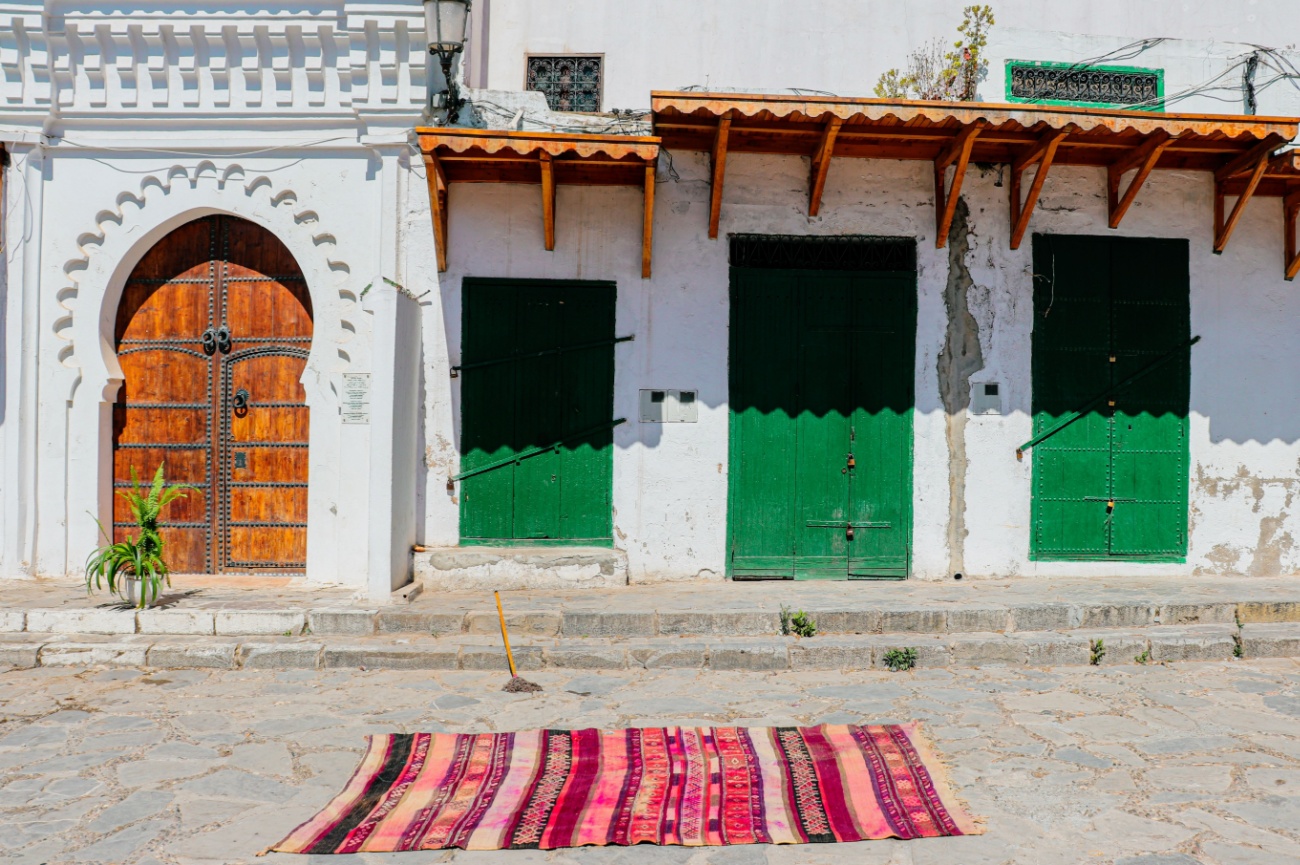
- Photograph whitewashed medina walls and green doors from public lanes.
- Walk the outer medina walls and gate approaches.
- Browse produce, spice and neighborhood markets without needing to buy.
- Take a seaside walk in Martil as a low-cost coastal excursion.
- Enjoy viewpoints from higher streets around the city where public access is clear.
Must know before you go
12 practical points — tap to read
Must know before you go
12 practical points — tap to read
- The Medina of Tétouan is a UNESCO World Heritage Site and remains a lived-in neighborhood.
- Tétouan has no passenger railway station; Tangier is the practical ONCF interchange.
- Tétouan Saniat R’mel Airport (TTU) is the local airport, while Tangier airport offers more alternatives.
- Most inner medina lanes are pedestrian; confirm your accommodation’s nearest gate if arriving with luggage.
- Martil, M’diq, Cabo Negro and Tamuda Bay are separate coastal places, not neighborhoods inside central Tétouan.
- Summer beach traffic can make coastal transfers much slower than map estimates suggest.
- Cash remains important for taxis, markets and small businesses even though cards are common in modern establishments.
- Spanish architectural and cultural influence is unusually visible compared with many Moroccan cities.
- Non-Muslim access to active mosques is generally restricted unless a site explicitly permits visitors.
- Winter rain can be significant in northern Morocco; check road and weather conditions for regional trips.
- Place names may appear in Arabic, French, Spanish and multiple Latin spellings.
- Chefchaouen and Tangier are better treated as separate destinations unless your itinerary has enough time.
Practical confidence
What travelers should know about Tétouan
Open the topic you need instead of reading one long manual.
Safety
Tétouan is generally manageable for independent travelers with normal urban precautions. Keep phones and wallets…
Safety
Tétouan is generally manageable for independent travelers with normal urban precautions. Keep phones and wallets…
Tétouan is generally manageable for independent travelers with normal urban precautions. Keep phones and wallets secure in crowded souks and bus areas, be cautious with unsolicited guiding, and use licensed taxis or clearly arranged transfers. The medina can become quiet in some lanes after dark, so first-time visitors should favor well-used routes. On the coast, watch belongings on beaches and follow swimming flags and local advice. Heavy winter rain can also affect roads in northern Morocco.
Accessibility
The modern center is easier than the medina for travelers with reduced mobility, but Tétouan is not consistently…
Accessibility
The modern center is easier than the medina for travelers with reduced mobility, but Tétouan is not consistently…
The modern center is easier than the medina for travelers with reduced mobility, but Tétouan is not consistently step-free. Medina lanes can include slopes, steps, uneven paving and narrow doorways. Modern hotels and some museums may be more accessible, but standards vary. Confirm lift access, bathroom layout and the exact route from vehicle drop-off to accommodation. A private driver can simplify coastal and regional sightseeing.
Money
The Moroccan dirham (MAD) is used everywhere. ATMs and card payment are easy to find in central Tétouan, but cash…
Money
The Moroccan dirham (MAD) is used everywhere. ATMs and card payment are easy to find in central Tétouan, but cash…
The Moroccan dirham (MAD) is used everywhere. ATMs and card payment are easy to find in central Tétouan, but cash remains useful for taxis, souks, small cafés, markets and rural or coastal day trips. Carry smaller notes and coins, and use banks or authorized exchange offices for currency exchange.
Tipping
Tipping is customary but modest. Around 5–10% is a useful restaurant reference when service is good and no service…
Tipping
Tipping is customary but modest. Around 5–10% is a useful restaurant reference when service is good and no service…
Tipping is customary but modest. Around 5–10% is a useful restaurant reference when service is good and no service charge is included. Round up small café and taxi bills when appropriate, and tip guides, porters or drivers according to service and duration. Keep small dirham notes available.
Dress & local context
Central Tétouan is relaxed, but modest clothing is the most comfortable choice in the medina and at religious or…
Dress & local context
Central Tétouan is relaxed, but modest clothing is the most comfortable choice in the medina and at religious or…
Central Tétouan is relaxed, but modest clothing is the most comfortable choice in the medina and at religious or traditional sites. Cover shoulders and knees when visiting conservative areas. For the nearby coast, normal beachwear is appropriate on the beach but not ideal for walking through town away from the waterfront. Bring a light layer for Mediterranean evenings and rain protection outside summer.
Ramadan
During Ramadan, many residents fast from dawn to sunset. Some cafés and restaurants reduce daytime service, while…
Ramadan
During Ramadan, many residents fast from dawn to sunset. Some cafés and restaurants reduce daytime service, while…
During Ramadan, many residents fast from dawn to sunset. Some cafés and restaurants reduce daytime service, while evenings become lively after iftar. Avoid conspicuous eating, drinking or smoking in public during fasting hours, verify museum and transport times, and allow extra patience shortly before sunset when traffic can intensify.
Internet & connectivity
Mobile coverage and 4G/5G are generally good in Tétouan, and Wi‑Fi is common in hotels, cafés and many restaurants.…
Internet & connectivity
Mobile coverage and 4G/5G are generally good in Tétouan, and Wi‑Fi is common in hotels, cafés and many restaurants.…
Mobile coverage and 4G/5G are generally good in Tétouan, and Wi‑Fi is common in hotels, cafés and many restaurants. Coverage may be less consistent inside dense medina lanes or on some Rif and coastal roads. Download offline maps, your accommodation pin and transport details before day trips.
Common hassles & scams
6 practical points — tap to read
Common hassles & scams
6 practical points — tap to read
- Persistent unsolicited guides in or near the medina asking for payment after offering directions.
- Taxi fare misunderstandings: use the meter where applicable or agree the price before departure.
- Being steered toward a specific carpet, leather or craft shop by someone presenting the visit as a favor.
- Substitution or quality differences after bargaining for textiles, crafts or jewelry: inspect the exact item before paying.
- Inflated private-transfer prices during busy summer periods: compare or pre-arrange when possible.
- Pickpocketing opportunities in crowded markets, bus areas and busy seasonal coastal zones.
Cultural etiquette
8 practical points — tap to read
Cultural etiquette
8 practical points — tap to read
- Greet shopkeepers and residents before moving into a request or negotiation.
- Ask before photographing people, artisans or the inside of active workshops.
- Respect prayer times and mosque access rules; most mosques are not open to non-Muslim sightseeing.
- Dress more modestly inside the medina and around religious sites than you might at a beach resort.
- Keep public displays of affection discreet.
- Bargaining is normal in many traditional-market transactions but should remain friendly.
- Treat the medina as a residential neighborhood, not only a visitor attraction.
- During Ramadan, expect altered hours and a much livelier rhythm after iftar.
Emergency & medical help
Police 190 · Ambulance / Fire 150 · Gendarmerie 177 For urgent incidents, contact the relevant emergency service. For…
Emergency & medical help
Police 190 · Ambulance / Fire 150 · Gendarmerie 177 For urgent incidents, contact the relevant emergency service. For…
Police 190 · Ambulance / Fire 150 · Gendarmerie 177 For urgent incidents, contact the relevant emergency service. For non-urgent visitor problems, your accommodation can help direct you to the nearest police, medical or local-authority service. Tétouan has hospitals, clinics and pharmacies. Keep travel-insurance details and accommodation contacts accessible, and ask your accommodation to identify the nearest appropriate medical facility for non-emergency needs.
Traveler lenses
Who does Tétouan work best for?
The same destination can feel very different depending on who is traveling.
Families
Tétouan works well for families that enjoy culture in short doses combined with open-air time. The medina offers…
Families
Tétouan works well for families that enjoy culture in short doses combined with open-air time. The medina offers…
Tétouan works well for families that enjoy culture in short doses combined with open-air time. The medina offers crafts and food, while Martil and Tamuda Bay add beaches and promenades. With young children, use a carrier rather than relying only on a stroller in uneven medina lanes, supervise closely near traffic and markets, and follow lifeguard or flag guidance on Mediterranean beaches.
Solo travelers
Solo travelers can explore the medina and Ensanche independently. The city is compact enough to learn quickly, and…
Solo travelers
Solo travelers can explore the medina and Ensanche independently. The city is compact enough to learn quickly, and…
Solo travelers can explore the medina and Ensanche independently. The city is compact enough to learn quickly, and cafés and casual restaurants are comfortable for solo dining. Keep valuables secure, decline unwanted guiding firmly but politely, use taxis for unfamiliar late-night routes, and save accommodation and gate pins offline.
Couples
Tétouan suits couples who prefer culture, architecture and local atmosphere to a nightlife-led city break. Pair a…
Couples
Tétouan suits couples who prefer culture, architecture and local atmosphere to a nightlife-led city break. Pair a…
Tétouan suits couples who prefer culture, architecture and local atmosphere to a nightlife-led city break. Pair a slow medina morning with cafés and Spanish-era streets, then add sunset or dinner on the Mediterranean coast. Boutique stays in or near the medina and coastal hotels around Tamuda Bay create very different but complementary experiences.
Traveler questions
Tétouan FAQ
How many days do I need in Tétouan?
Two days is enough for the medina and city center at a comfortable pace. Three or four days works better if you want…
How many days do I need in Tétouan?
Two days is enough for the medina and city center at a comfortable pace. Three or four days works better if you want…
Two days is enough for the medina and city center at a comfortable pace. Three or four days works better if you want museums, craft time and a Mediterranean coast day.
Is Tétouan worth visiting?
Yes, especially for travelers interested in living medinas, Andalusian and Hispano-Moorish architecture, crafts and…
Is Tétouan worth visiting?
Yes, especially for travelers interested in living medinas, Andalusian and Hispano-Moorish architecture, crafts and…
Yes, especially for travelers interested in living medinas, Andalusian and Hispano-Moorish architecture, crafts and northern Moroccan culture. It is less nightlife-focused and less internationally touristed than Tangier.
Is Tétouan’s medina UNESCO-listed?
Yes. The Medina of Tétouan has been inscribed on UNESCO’s World Heritage List since 1997.
Is Tétouan’s medina UNESCO-listed?
Yes. The Medina of Tétouan has been inscribed on UNESCO’s World Heritage List since 1997.
Yes. The Medina of Tétouan has been inscribed on UNESCO’s World Heritage List since 1997.
Does Tétouan have a train station?
No passenger ONCF station serves Tétouan. Rail travelers normally use Tangier and continue by coach, taxi or transfer.
Does Tétouan have a train station?
No passenger ONCF station serves Tétouan. Rail travelers normally use Tangier and continue by coach, taxi or transfer.
No passenger ONCF station serves Tétouan. Rail travelers normally use Tangier and continue by coach, taxi or transfer.
Which airport serves Tétouan?
Tétouan Saniat R’mel Airport (TTU) is the local airport. Tangier Ibn Battouta Airport is a larger alternative with…
Which airport serves Tétouan?
Tétouan Saniat R’mel Airport (TTU) is the local airport. Tangier Ibn Battouta Airport is a larger alternative with…
Tétouan Saniat R’mel Airport (TTU) is the local airport. Tangier Ibn Battouta Airport is a larger alternative with more route options.
Is Tétouan walkable?
The medina and central Ensanche are very walkable. Use taxis or road transport for outer districts, the airport and…
Is Tétouan walkable?
The medina and central Ensanche are very walkable. Use taxis or road transport for outer districts, the airport and…
The medina and central Ensanche are very walkable. Use taxis or road transport for outer districts, the airport and coastal destinations.
Where should I stay in Tétouan?
Choose the medina for atmosphere and heritage, the Ensanche or city center for easier taxi access, or stay separately…
Where should I stay in Tétouan?
Choose the medina for atmosphere and heritage, the Ensanche or city center for easier taxi access, or stay separately…
Choose the medina for atmosphere and heritage, the Ensanche or city center for easier taxi access, or stay separately on the coast around Martil or Tamuda Bay if beach time is the priority.
Can I combine Tétouan with a beach stay?
Yes. Martil is the closest easy beach option, while M’diq, Cabo Negro and Tamuda Bay offer a longer Mediterranean…
Can I combine Tétouan with a beach stay?
Yes. Martil is the closest easy beach option, while M’diq, Cabo Negro and Tamuda Bay offer a longer Mediterranean…
Yes. Martil is the closest easy beach option, while M’diq, Cabo Negro and Tamuda Bay offer a longer Mediterranean resort corridor north of the city.
What is the best time to visit Tétouan?
April–June and September–October are excellent for city walking. July and August are popular for the coast but busier…
What is the best time to visit Tétouan?
April–June and September–October are excellent for city walking. July and August are popular for the coast but busier…
April–June and September–October are excellent for city walking. July and August are popular for the coast but busier and hotter; winter is mild but wetter.
Is Tétouan safe for solo travelers?
Most travelers visit independently without major problems. Use normal precautions with valuables, avoid isolated…
Is Tétouan safe for solo travelers?
Most travelers visit independently without major problems. Use normal precautions with valuables, avoid isolated…
Most travelers visit independently without major problems. Use normal precautions with valuables, avoid isolated unfamiliar lanes late at night and decline persistent unsolicited guiding.
Is Tétouan good for families?
Yes, particularly when short medina visits are combined with parks, cafés and nearby beaches. Strollers can be…
Is Tétouan good for families?
Yes, particularly when short medina visits are combined with parks, cafés and nearby beaches. Strollers can be…
Yes, particularly when short medina visits are combined with parks, cafés and nearby beaches. Strollers can be awkward on uneven medina surfaces, so plan accordingly.
What should I buy in Tétouan?
Traditional embroidery, Jebli textiles and mendils, painted wood and other local crafts are strong choices. Compare…
What should I buy in Tétouan?
Traditional embroidery, Jebli textiles and mendils, painted wood and other local crafts are strong choices. Compare…
Traditional embroidery, Jebli textiles and mendils, painted wood and other local crafts are strong choices. Compare workmanship and confirm the exact material and item before paying.