Safi
آسفي · Asfi
Atlantic heritage, pottery workshops, Portuguese fortifications, seafood, local city life and one of Morocco's best-known surf coastlines.
Destination snapshot
Marrakech-Safi, Morocco
Ideal stay
2–3 days
Daily budget
400 MAD–2,000 MAD / day
Best time
March to May and September to November are the easiest all-round periods for…
Languages
Moroccan Arabic (Darija) · Arabic · French
Region
Marrakech-Safi, Morocco
At a glance
Why Safi?
Explore Safi's medina, pottery quarter, Atlantic fortifications, fish and seafood culture, local markets and surf coast on a compact, characterful Atlantic stop.
The Safi story
Safi is an Atlantic port city with one of Morocco's strongest craft identities. Its old medina, Portuguese-era…
The Safi story
Safi is an Atlantic port city with one of Morocco's strongest craft identities. Its old medina, Portuguese-era…
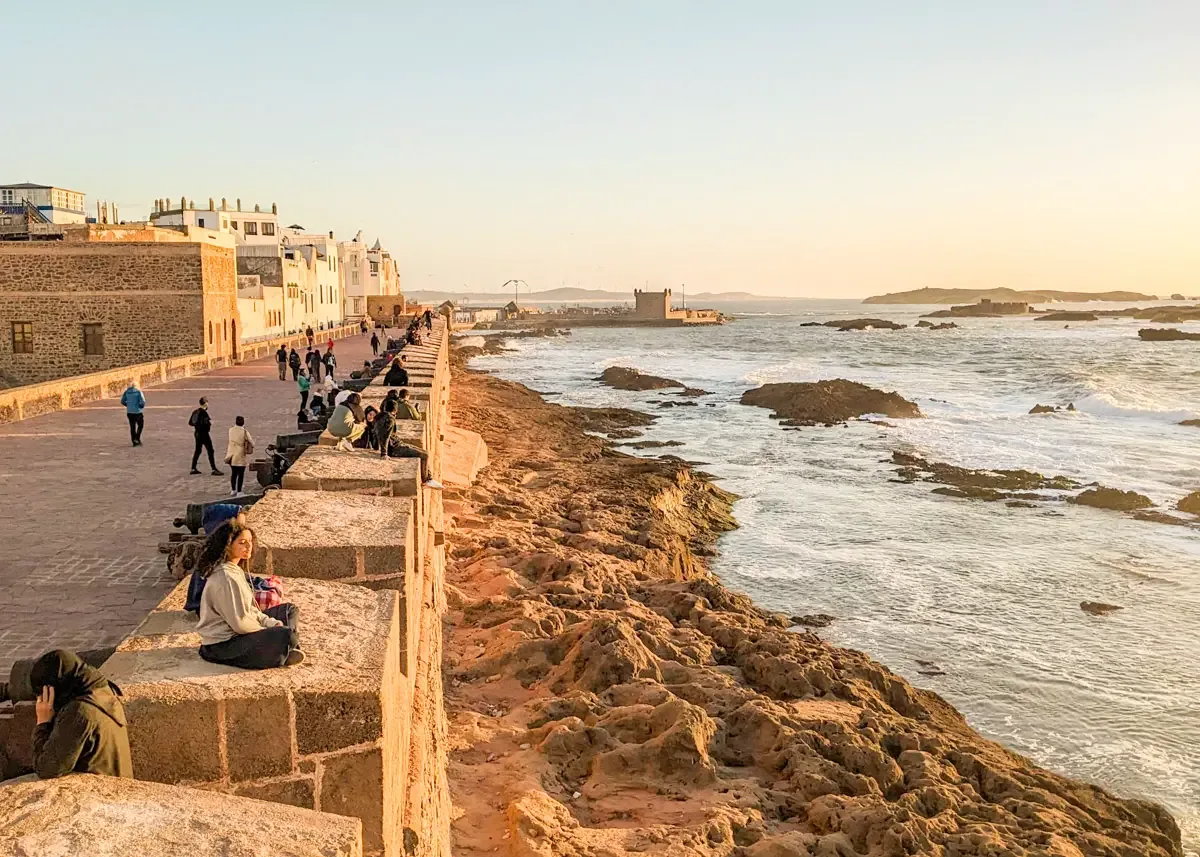
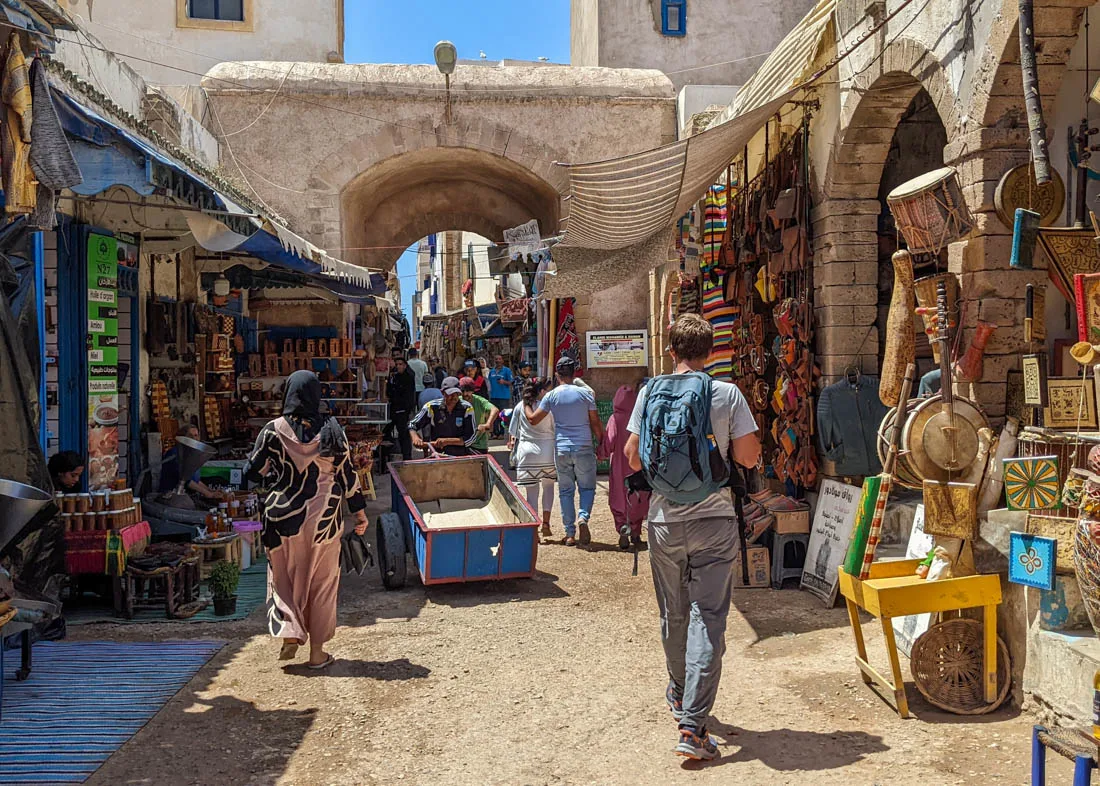
Safi is an Atlantic port city with one of Morocco's strongest craft identities. Its old medina, Portuguese-era fortifications, ocean-facing walls and working port give it a rougher, more local character than the country's better-known imperial cities, while the pottery quarter has made Safi synonymous with ceramics across Morocco. The city is especially rewarding for travelers who like places where everyday industry, craft production and heritage overlap. Spend time in the medina and around the historic defensive structures, watch potters at work, browse ceramics, eat grilled Atlantic fish and look out over the coast. The city is compact enough for a focused short stay, but its hills and spread-out coastal sights mean taxis are useful between clusters. Safi also has a serious surf reputation. Ras Lafaa is known for powerful waves and should be approached according to conditions and ability, while nearby beaches such as Lalla Fatna are better suited to travelers seeking coastal scenery. Safi works well for two or three days, or as part of an Atlantic itinerary linking El Jadida, Oualidia and Essaouira.
Known for
Best for
When Fez may not fit
5 practical points — tap to read
When Fez may not fit
5 practical points — tap to read
- You want a polished resort destination with a long list of luxury attractions.
- You are looking mainly for a large imperial medina like Fez or Marrakech.
- You expect every beach near the city to be safe for casual swimming.
- Industrial port views and a working-city atmosphere strongly reduce your enjoyment.
- You need a destination where every sight is step-free and within one flat pedestrian zone.
Plan smarter
Open only what you need
The full guide is here without forcing you through walls of text. Tap a card for the detail relevant to your trip.
How much time to give it
Choose a trip length to see a realistic pace.
Safi essentials
1 days
Safi essentials
1 days
Walk the medina, explore the pottery quarter, see the main historic fortifications and finish with seafood and an Atlantic sunset viewpoint.
Heritage, ceramics and coast
2 days
Heritage, ceramics and coast
2 days
Use day one for the medina and pottery. On day two add a museum or deeper craft visit, the modern center, port-side atmosphere and a coastal outing toward Ras Lafaa or Lalla Fatna according to conditions.
Safi at a local pace
3 days
Safi at a local pace
3 days
Add more workshop time, food and market exploration, then take a relaxed regional excursion toward Oualidia, Souiria Lakdima or another nearby Atlantic stop rather than rushing through the city.
Weather & seasons
March to May and September to November are the easiest all-round periods for Safi, with mild temperatures for walking, pottery-quarter visits and coastal viewpoints. Summer is moderated by the Atlantic and can be breezy or foggy, while winter stays relatively mild but brings more rain, wind and bigger surf.
Climate overview
Safi has a mild Atlantic-influenced climate. Summers are generally warm rather than intensely hot, with ocean breezes…
Climate overview
Safi has a mild Atlantic-influenced climate. Summers are generally warm rather than intensely hot, with ocean breezes…
Safi has a mild Atlantic-influenced climate. Summers are generally warm rather than intensely hot, with ocean breezes and occasional coastal haze. Winters are cooler, wetter and windier. The Atlantic can feel cool even on sunny days, so a light layer is useful year-round, especially around the seafront and surf viewpoints.
Spring
March to May is excellent for city walking, ceramics shopping and coastal sightseeing, with generally mild days and…
Spring
March to May is excellent for city walking, ceramics shopping and coastal sightseeing, with generally mild days and…
March to May is excellent for city walking, ceramics shopping and coastal sightseeing, with generally mild days and occasional showers.
Summer
June to August is warm, lively and often breezy. Coastal fog or haze can appear, and the ocean remains cooler than…
Summer
June to August is warm, lively and often breezy. Coastal fog or haze can appear, and the ocean remains cooler than…
June to August is warm, lively and often breezy. Coastal fog or haze can appear, and the ocean remains cooler than many visitors expect.
Autumn
September to November is another strong period, with comfortable temperatures and good conditions for combining…
Autumn
September to November is another strong period, with comfortable temperatures and good conditions for combining…
September to November is another strong period, with comfortable temperatures and good conditions for combining heritage and the coast.
Winter
December to February is mild by inland standards but wetter and windier. Surf can be powerful and sea conditions…
Winter
December to February is mild by inland standards but wetter and windier. Surf can be powerful and sea conditions…
December to February is mild by inland standards but wetter and windier. Surf can be powerful and sea conditions require extra caution.
Arrival & movement
Getting there and moving around
Getting to the city
Safi is reached mainly by road and rail. ONCF operates passenger rail services linking Safi with the national network…
Getting to the city
Safi is reached mainly by road and rail. ONCF operates passenger rail services linking Safi with the national network…
Safi is reached mainly by road and rail. ONCF operates passenger rail services linking Safi with the national network through central Morocco, while CTM and other coach operators connect the city with major destinations. Safi has no major commercial passenger airport, so international travelers usually arrive through Marrakech, Essaouira or Casablanca and continue by road or rail. Check current ONCF and coach schedules before travel because frequencies can change.
Getting around
Central Safi is manageable on foot in clusters, particularly the medina, pottery quarter and nearby center. Petit…
Getting around
Central Safi is manageable on foot in clusters, particularly the medina, pottery quarter and nearby center. Petit…
Central Safi is manageable on foot in clusters, particularly the medina, pottery quarter and nearby center. Petit taxis are useful for the railway station, coastal viewpoints, Ras Lafaa and areas outside the historic core. Local buses serve parts of the city, but visitors usually find walking plus taxis the simplest combination. A rental car or driver is most useful for nearby beaches and regional day trips.
Airport access
Safi does not have a major commercial passenger airport. Marrakech Menara Airport is a common international gateway,…
Airport access
Safi does not have a major commercial passenger airport. Marrakech Menara Airport is a common international gateway,…
Safi does not have a major commercial passenger airport. Marrakech Menara Airport is a common international gateway, while Essaouira-Mogador Airport may be convenient when its flight schedule matches the trip. Casablanca Mohammed V is farther away but useful for travelers combining Safi with rail travel. Compare total journey time rather than choosing an airport by straight-line distance alone.
Train access
Safi has an ONCF passenger railway station and is connected to the national network, with services typically linking…
Train access
Safi has an ONCF passenger railway station and is connected to the national network, with services typically linking…
Safi has an ONCF passenger railway station and is connected to the national network, with services typically linking through central rail junctions toward Casablanca and other cities. Train frequency is more limited than on Morocco's busiest axes, so verify the exact departure, transfer pattern and station timetable on ONCF Voyages before travel.
Bus & coach
CTM and other intercity coaches serve Safi from cities including Casablanca, Marrakech, El Jadida and Essaouira-area…
Bus & coach
CTM and other intercity coaches serve Safi from cities including Casablanca, Marrakech, El Jadida and Essaouira-area…
CTM and other intercity coaches serve Safi from cities including Casablanca, Marrakech, El Jadida and Essaouira-area routes depending on schedule. Confirm the exact terminal, departure time and baggage rules on the ticket. Coaches can be more convenient than rail for some Atlantic-coast itineraries.
Walking
The medina, pottery area and central streets reward walking, but Safi is hilly in places and not every major sight…
Walking
The medina, pottery area and central streets reward walking, but Safi is hilly in places and not every major sight…
The medina, pottery area and central streets reward walking, but Safi is hilly in places and not every major sight sits in one compact flat zone. Sidewalk quality varies and some roads near the port or outer districts are less pleasant on foot. Use taxis to bridge longer gaps, especially in heat, wind or with luggage.
Medina access
Safi's old medina is best explored on foot. Cars and taxis can approach the perimeter and main access streets but do…
Medina access
Safi's old medina is best explored on foot. Cars and taxis can approach the perimeter and main access streets but do…
Safi's old medina is best explored on foot. Cars and taxis can approach the perimeter and main access streets but do not reach every lane. If staying inside the old quarter, ask the accommodation for the best vehicle drop-off point and keep the location saved offline. The medina is smaller than Fez or Marrakech but can still be confusing on first arrival.
Choose your base
Where to stay in Safi
Choose by atmosphere and access, then compare actual stays.
Medina
Best for: Historic atmosphere, markets and walking
Medina
Best for: Historic atmosphere, markets and walking
Best for: Historic atmosphere, markets and walking
The old city is Safi's main heritage cluster, with traditional lanes, shops and access to several historic monuments. Best explored on foot.
Pottery Quarter / Colline des Potiers
Best for: Ceramics, workshops and craft shopping
Pottery Quarter / Colline des Potiers
Best for: Ceramics, workshops and craft shopping
Best for: Ceramics, workshops and craft shopping
The city's signature artisan zone. Visit during working hours to see production, compare styles and buy directly from workshops where possible.
Kechla / Dar Sultan area
Best for: Fortifications, history and city views
Kechla / Dar Sultan area
Best for: Fortifications, history and city views
Best for: Fortifications, history and city views
A historic defensive zone associated with Safi's layered Portuguese and Moroccan history. Check current monument access before planning an interior visit.
City Centre / Ville Nouvelle
Best for: Hotels, cafés, banks and practical services
City Centre / Ville Nouvelle
Best for: Hotels, cafés, banks and practical services
Best for: Hotels, cafés, banks and practical services
The most convenient modern base for transport, restaurants and everyday needs, with taxis readily available to the medina and coast.
Port / seafront edge
Best for: Maritime atmosphere and seafood context
Port / seafront edge
Best for: Maritime atmosphere and seafood context
Best for: Maritime atmosphere and seafood context
A working port zone rather than a polished marina. Enjoy public viewpoints and food nearby while respecting restricted industrial and security areas.
Ras Lafaa coast
Best for: Surf watching and experienced surfing
Ras Lafaa coast
Best for: Surf watching and experienced surfing
Best for: Surf watching and experienced surfing
Known for powerful waves. Conditions can be demanding, so beginners should use a reputable school and choose appropriate breaks rather than entering independently.
Lalla Fatna
Best for: Beach scenery and a quieter coastal outing
Lalla Fatna
Best for: Beach scenery and a quieter coastal outing
Best for: Beach scenery and a quieter coastal outing
A separate beach area north of the city that works best with a taxi, driver or car. Swimming conditions vary, so follow local advice.
Souiria Lakdima corridor
Best for: Regional beaches and slower coastal travel
Souiria Lakdima corridor
Best for: Regional beaches and slower coastal travel
Best for: Regional beaches and slower coastal travel
A separate coastal destination south of Safi, useful for travelers continuing toward Essaouira or wanting a quieter beach extension.
Stay in the city
Stays coming to Safi
Published stays will appear automatically as the inventory grows.
Explore
What to see & do in Safi
Visual recommendations stay visible; deeper planning information stays one tap away.
Live the city
Food, shopping, evenings & local help
Open the editorial cards for context; use live listings for specific places.
Food scene
Safi's food identity is strongly tied to the Atlantic. Grilled fish, sardines and other seafood are natural…
Food scene
Safi's food identity is strongly tied to the Atlantic. Grilled fish, sardines and other seafood are natural…
Safi's food identity is strongly tied to the Atlantic. Grilled fish, sardines and other seafood are natural priorities, especially around local fish and market areas. Traditional Moroccan dishes, bakeries and simple cafés are easy to find, while the city's restaurant scene is more local and casual than luxury-focused. Ask what is fresh that day rather than relying only on fixed seafood menus.
Shopping & crafts
Safi is one of Morocco's defining ceramics destinations. The pottery quarter is the key place to compare hand-painted…
Shopping & crafts
Safi is one of Morocco's defining ceramics destinations. The pottery quarter is the key place to compare hand-painted…
Safi is one of Morocco's defining ceramics destinations. The pottery quarter is the key place to compare hand-painted plates, bowls, tagines, tiles and decorative pieces, with both traditional Safi designs and contemporary work. Check for chips and cracks before paying, ask how fragile items will be packed and compare workshop-direct prices with central souvenir shops.
Evenings
Safi is not a major nightlife destination. Evenings center on cafés, restaurants, family promenades and hotel venues…
Evenings
Safi is not a major nightlife destination. Evenings center on cafés, restaurants, family promenades and hotel venues…
Safi is not a major nightlife destination. Evenings center on cafés, restaurants, family promenades and hotel venues rather than a large club scene. The city is best for travelers who prefer early dinners, local cafés and relaxed coastal evenings.
Day trips
Essaouira is a natural southbound extension, while Oualidia offers a quieter lagoon-and-seafood stop to the north. El…
Day trips
Essaouira is a natural southbound extension, while Oualidia offers a quieter lagoon-and-seafood stop to the north. El…
Essaouira is a natural southbound extension, while Oualidia offers a quieter lagoon-and-seafood stop to the north. El Jadida can continue an Atlantic heritage route farther north. Closer to Safi, Lalla Fatna and other coastal areas provide short scenery or beach outings. Driving times vary with road conditions, so avoid overloading a single day with distant cities.
Useful without booking
Free value before you spend anything
Free things to do
8 practical points — tap to read
Free things to do
8 practical points — tap to read
- Walk the old medina and its market streets.
- Browse the pottery quarter and watch artisans where workshops allow visitors.
- Walk around the exterior of Safi's historic fortifications.
- Take in Atlantic views from public coastal viewpoints.
- Browse local produce and everyday markets.
- Watch surfers from a safe viewpoint near Ras Lafaa when conditions are active.
- Explore the modern center and observe everyday city life.
- Walk the seafront at sunset in well-used public areas.
Must know before you go
10 practical points — tap to read
Must know before you go
10 practical points — tap to read
- Safi has no major commercial passenger airport; most visitors arrive by road or rail.
- The city does have an ONCF passenger railway station, but frequencies are more limited than on Morocco's busiest routes.
- Pottery and ceramics are Safi's signature craft; compare quality and packing before buying fragile pieces.
- Ras Lafaa is a serious surf spot and is not automatically suitable for beginners or casual swimmers.
- The medina is compact compared with Fez or Marrakech but still rewards dedicated walking time.
- Safi is a working port and industrial city as well as a visitor destination; some coastal zones are functional rather than scenic.
- Atlantic water can be cool and currents strong even in warm weather.
- Cash remains useful for taxis, markets, small restaurants and artisan workshops.
- Summer can be breezy or foggy despite warm inland temperatures.
- For a resort-style beach stay, nearby Oualidia or Essaouira may complement Safi well.
Practical confidence
What travelers should know about Safi
Open the topic you need instead of reading one long manual.
Safety
Safi is generally straightforward for visitors using normal urban precautions. Keep phones and wallets secure in…
Safety
Safi is generally straightforward for visitors using normal urban precautions. Keep phones and wallets secure in…
Safi is generally straightforward for visitors using normal urban precautions. Keep phones and wallets secure in markets, transport areas and busy streets, and avoid isolated stretches of coast after dark. Ocean safety is especially important: surf around Ras Lafaa and exposed beaches can be powerful, with strong currents and rocky entry points. Stay out of restricted port and industrial areas, follow local signs and use reputable surf schools or guides when needed.
Accessibility
Safi is mixed for travelers with limited mobility. Newer central streets and some hotels are relatively…
Accessibility
Safi is mixed for travelers with limited mobility. Newer central streets and some hotels are relatively…
Safi is mixed for travelers with limited mobility. Newer central streets and some hotels are relatively straightforward, but the medina, pottery quarter, uneven pavements, steps and hills can be difficult. Coastal viewpoints may also involve rough ground. Confirm step-free access directly with accommodation and attractions, and use taxis for longer transfers.
Money
Morocco uses the Moroccan dirham (MAD). ATMs and banks are available in Safi, and cards are accepted in some hotels…
Money
Morocco uses the Moroccan dirham (MAD). ATMs and banks are available in Safi, and cards are accepted in some hotels…
Morocco uses the Moroccan dirham (MAD). ATMs and banks are available in Safi, and cards are accepted in some hotels and larger businesses, but cash remains important for taxis, market purchases, small restaurants and many pottery workshops. Carry small notes and confirm whether a ceramics seller accepts cards before committing to a large purchase.
Tipping
Tipping is modest and discretionary. Around 5–10% is a practical restaurant reference when service is good and no…
Tipping
Tipping is modest and discretionary. Around 5–10% is a practical restaurant reference when service is good and no…
Tipping is modest and discretionary. Around 5–10% is a practical restaurant reference when service is good and no service charge is included. Round up small café or taxi bills when appropriate, and tip guides or workshop hosts when they provide a genuine paid or extended service. Keep small dirham notes available.
Dress & local context
Safi is relaxed but not primarily a resort town. Comfortable, modest city clothing works well for the medina and…
Dress & local context
Safi is relaxed but not primarily a resort town. Comfortable, modest city clothing works well for the medina and…
Safi is relaxed but not primarily a resort town. Comfortable, modest city clothing works well for the medina and pottery quarter; beachwear belongs on the beach rather than in traditional neighborhoods. Bring sturdy walking shoes, sun protection and a light wind layer for the Atlantic coast.
Ramadan
During Ramadan, some cafés, workshops and restaurants reduce daytime hours, while evenings become livelier after…
Ramadan
During Ramadan, some cafés, workshops and restaurants reduce daytime hours, while evenings become livelier after…
During Ramadan, some cafés, workshops and restaurants reduce daytime hours, while evenings become livelier after iftar. Avoid conspicuous eating, drinking or smoking in public during fasting hours out of respect for people fasting, and verify opening times for museums, workshops, trains and coaches.
Internet & connectivity
Mobile coverage and 4G/5G service are generally good in Safi, with Wi-Fi common in hotels and many cafés. Coverage…
Internet & connectivity
Mobile coverage and 4G/5G service are generally good in Safi, with Wi-Fi common in hotels and many cafés. Coverage…
Mobile coverage and 4G/5G service are generally good in Safi, with Wi-Fi common in hotels and many cafés. Coverage can weaken on remote coastal roads or beaches, so download maps and save accommodation and transport details offline before regional excursions.
Common hassles & scams
5 practical points — tap to read
Common hassles & scams
5 practical points — tap to read
- Unofficial guides offering unsolicited medina or pottery tours and later demanding payment: agree clearly before accepting help.
- Pottery prices presented as fixed tourist prices: compare quality and prices across several workshops before buying larger pieces.
- Taxi fare disagreements: use the meter where applicable or agree the fare before departure.
- Claims that a particular shop or workshop is the only authentic option: Safi has many legitimate ceramics sellers and artisans.
- Overconfident surf advice in dangerous conditions: choose reputable operators and judge conditions according to your actual ability.
Cultural etiquette
8 practical points — tap to read
Cultural etiquette
8 practical points — tap to read
- Greet shopkeepers and artisans before starting a request or negotiation.
- Ask before photographing potters, workshop staff, fishermen or local residents.
- Treat working workshops as workplaces, not only tourist attractions.
- Dress modestly around religious sites and traditional neighborhoods.
- Keep public displays of affection discreet.
- Bargaining can be normal in traditional shops, but do it respectfully.
- Do not photograph sensitive port, police or security infrastructure.
- During Ramadan, expect changed hours and a quieter daytime rhythm.
Emergency & medical help
Police 190 · Ambulance / Fire 150 · Gendarmerie 177 For urgent incidents contact the appropriate emergency service.…
Emergency & medical help
Police 190 · Ambulance / Fire 150 · Gendarmerie 177 For urgent incidents contact the appropriate emergency service.…
Police 190 · Ambulance / Fire 150 · Gendarmerie 177 For urgent incidents contact the appropriate emergency service. For non-urgent visitor problems, ask your accommodation or the nearest police service for local assistance. Safi has hospitals, clinics and pharmacies. Keep travel-insurance details and accommodation contacts available offline, especially before coastal excursions.
Traveler lenses
Who does Safi work best for?
The same destination can feel very different depending on who is traveling.
Families
Families can enjoy the pottery quarter, medina, seafood and coastal viewpoints, and Safi offers a less overwhelming…
Families
Families can enjoy the pottery quarter, medina, seafood and coastal viewpoints, and Safi offers a less overwhelming…
Families can enjoy the pottery quarter, medina, seafood and coastal viewpoints, and Safi offers a less overwhelming pace than Morocco's largest cities. Young children need close supervision around roads, fortifications, cliffs and the ocean. For swimming, choose a suitable supervised beach rather than assuming exposed surf spots are family-friendly.
Solo travelers
Solo travelers can explore Safi independently and may appreciate its local, less-touristed atmosphere. The medina and…
Solo travelers
Solo travelers can explore Safi independently and may appreciate its local, less-touristed atmosphere. The medina and…
Solo travelers can explore Safi independently and may appreciate its local, less-touristed atmosphere. The medina and pottery quarter are easy to visit alone during the day. Use normal precautions after dark, take taxis for isolated coastal areas and avoid entering the water alone at powerful surf breaks.
Couples
Safi suits couples who enjoy crafts, food, ocean views and less-polished local destinations. A good day combines the…
Couples
Safi suits couples who enjoy crafts, food, ocean views and less-polished local destinations. A good day combines the…
Safi suits couples who enjoy crafts, food, ocean views and less-polished local destinations. A good day combines the medina, pottery workshops, a seafood lunch and sunset near the coast. Travelers seeking resort-style romance may prefer to pair Safi with Oualidia or Essaouira.
Traveler questions
Safi FAQ
Is Safi worth visiting?
Yes for travelers interested in pottery, local city life, Portuguese-Moroccan heritage, seafood and surfing. It is…
Is Safi worth visiting?
Yes for travelers interested in pottery, local city life, Portuguese-Moroccan heritage, seafood and surfing. It is…
Yes for travelers interested in pottery, local city life, Portuguese-Moroccan heritage, seafood and surfing. It is less polished and less tourist-heavy than Morocco's best-known destinations.
How many days do I need in Safi?
Two days is a strong first visit. Three days allows more time for workshops, food, coastal viewpoints and a nearby…
How many days do I need in Safi?
Two days is a strong first visit. Three days allows more time for workshops, food, coastal viewpoints and a nearby…
Two days is a strong first visit. Three days allows more time for workshops, food, coastal viewpoints and a nearby beach or regional excursion.
What is Safi famous for?
Safi is especially famous for pottery and ceramics, along with its Atlantic port, historic fortifications, seafood…
What is Safi famous for?
Safi is especially famous for pottery and ceramics, along with its Atlantic port, historic fortifications, seafood…
Safi is especially famous for pottery and ceramics, along with its Atlantic port, historic fortifications, seafood and surf coast.
Does Safi have a train station?
Yes. Safi is connected to Morocco's ONCF passenger network, although services are less frequent than on the busiest…
Does Safi have a train station?
Yes. Safi is connected to Morocco's ONCF passenger network, although services are less frequent than on the busiest…
Yes. Safi is connected to Morocco's ONCF passenger network, although services are less frequent than on the busiest national rail routes. Check the live timetable.
Does Safi have an airport?
Safi does not have a major commercial passenger airport. Marrakech, Essaouira and Casablanca are the most practical…
Does Safi have an airport?
Safi does not have a major commercial passenger airport. Marrakech, Essaouira and Casablanca are the most practical…
Safi does not have a major commercial passenger airport. Marrakech, Essaouira and Casablanca are the most practical flight gateways depending on your wider itinerary.
Is Safi good for surfing?
Yes. The Safi coast, especially Ras Lafaa, has a serious surf reputation. Some breaks are powerful and best suited to…
Is Safi good for surfing?
Yes. The Safi coast, especially Ras Lafaa, has a serious surf reputation. Some breaks are powerful and best suited to…
Yes. The Safi coast, especially Ras Lafaa, has a serious surf reputation. Some breaks are powerful and best suited to experienced surfers, so use reputable local guidance.
Can beginners surf in Safi?
Beginners should not assume the famous breaks are suitable. Book with a reputable school that can choose a safer…
Can beginners surf in Safi?
Beginners should not assume the famous breaks are suitable. Book with a reputable school that can choose a safer…
Beginners should not assume the famous breaks are suitable. Book with a reputable school that can choose a safer beach and conditions appropriate to your level.
Is Safi a good beach destination?
Safi has attractive Atlantic coastline, but it is better thought of as a heritage, craft and surf city than a classic…
Is Safi a good beach destination?
Safi has attractive Atlantic coastline, but it is better thought of as a heritage, craft and surf city than a classic…
Safi has attractive Atlantic coastline, but it is better thought of as a heritage, craft and surf city than a classic resort. Nearby beaches can complement the city stay.
What should I buy in Safi?
Ceramics are the signature purchase: plates, bowls, tagines, tiles and decorative pottery. Inspect fragile pieces…
What should I buy in Safi?
Ceramics are the signature purchase: plates, bowls, tagines, tiles and decorative pottery. Inspect fragile pieces…
Ceramics are the signature purchase: plates, bowls, tagines, tiles and decorative pottery. Inspect fragile pieces carefully and ask for secure packing.
Is Safi safe for solo travelers?
Generally yes with normal city precautions. Avoid isolated coastal areas after dark and take particular care around…
Is Safi safe for solo travelers?
Generally yes with normal city precautions. Avoid isolated coastal areas after dark and take particular care around…
Generally yes with normal city precautions. Avoid isolated coastal areas after dark and take particular care around cliffs, strong surf and restricted port areas.
Can I visit Safi as a day trip?
It is possible from some nearby cities, but an overnight stay is better if you want the pottery quarter, medina, food…
Can I visit Safi as a day trip?
It is possible from some nearby cities, but an overnight stay is better if you want the pottery quarter, medina, food…
It is possible from some nearby cities, but an overnight stay is better if you want the pottery quarter, medina, food and coast without rushing.
What is the best time to visit Safi?
Spring and autumn are the easiest all-round seasons. Summer is mild and breezy by Moroccan standards, while winter is…
What is the best time to visit Safi?
Spring and autumn are the easiest all-round seasons. Summer is mild and breezy by Moroccan standards, while winter is…
Spring and autumn are the easiest all-round seasons. Summer is mild and breezy by Moroccan standards, while winter is cooler, wetter and often brings stronger surf.