Park
Isesco Park
Isesco Park is a park in Casablanca, Morocco. It carries the heritage designation Moroccan cultural heritage.
45–90 minExplore
الدار البيضاء · كازا
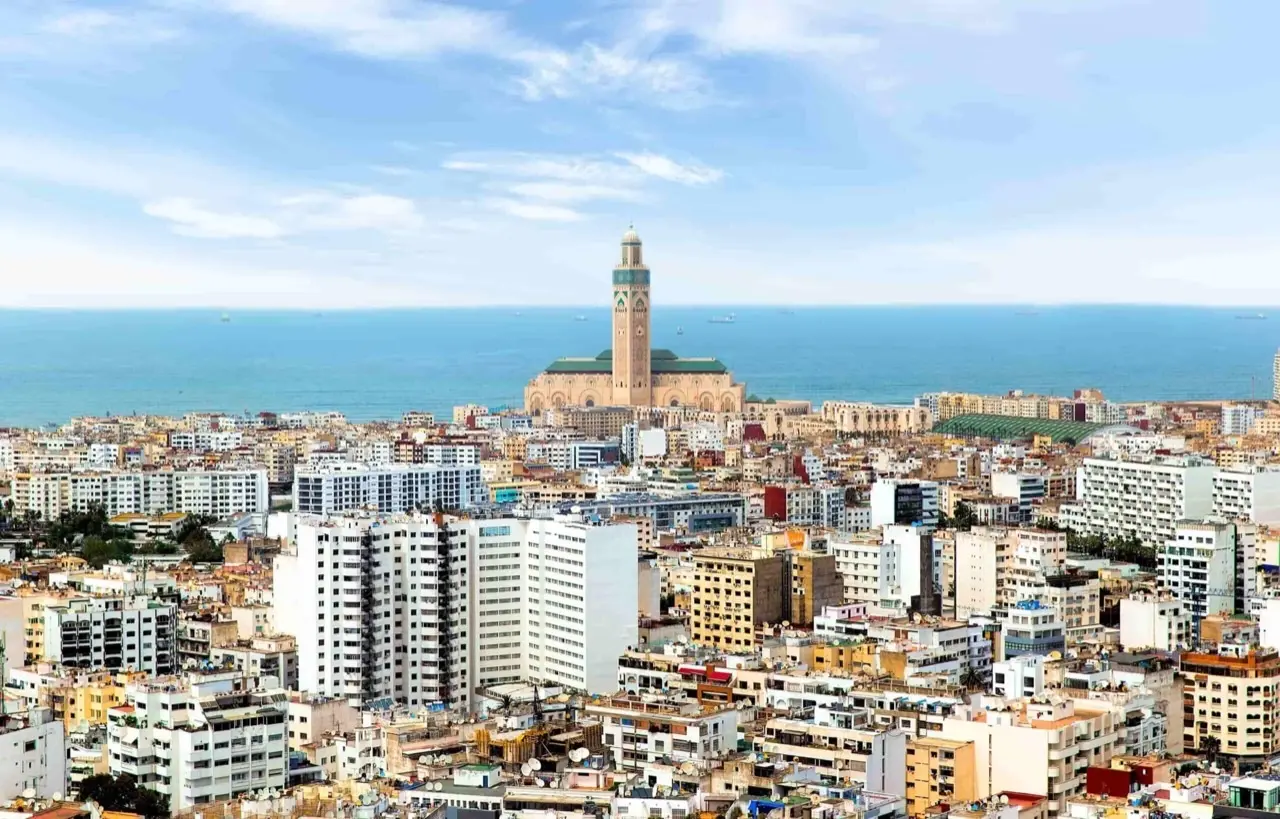
Morocco’s Atlantic metropolis: monumental architecture, Art Deco streets, local markets, modern dining, the Corniche and one of the country’s best-connected transport hubs.
Destination snapshot
Casablanca-Settat, Morocco
Ideal stay
2–3 days
Daily budget
500 MAD–2,500 MAD / day
Best time
March–May and September–November are the easiest all-round periods, with mild…
Languages
Moroccan Arabic (Darija) · Arabic · French
Region
Casablanca-Settat, Morocco
At a glance
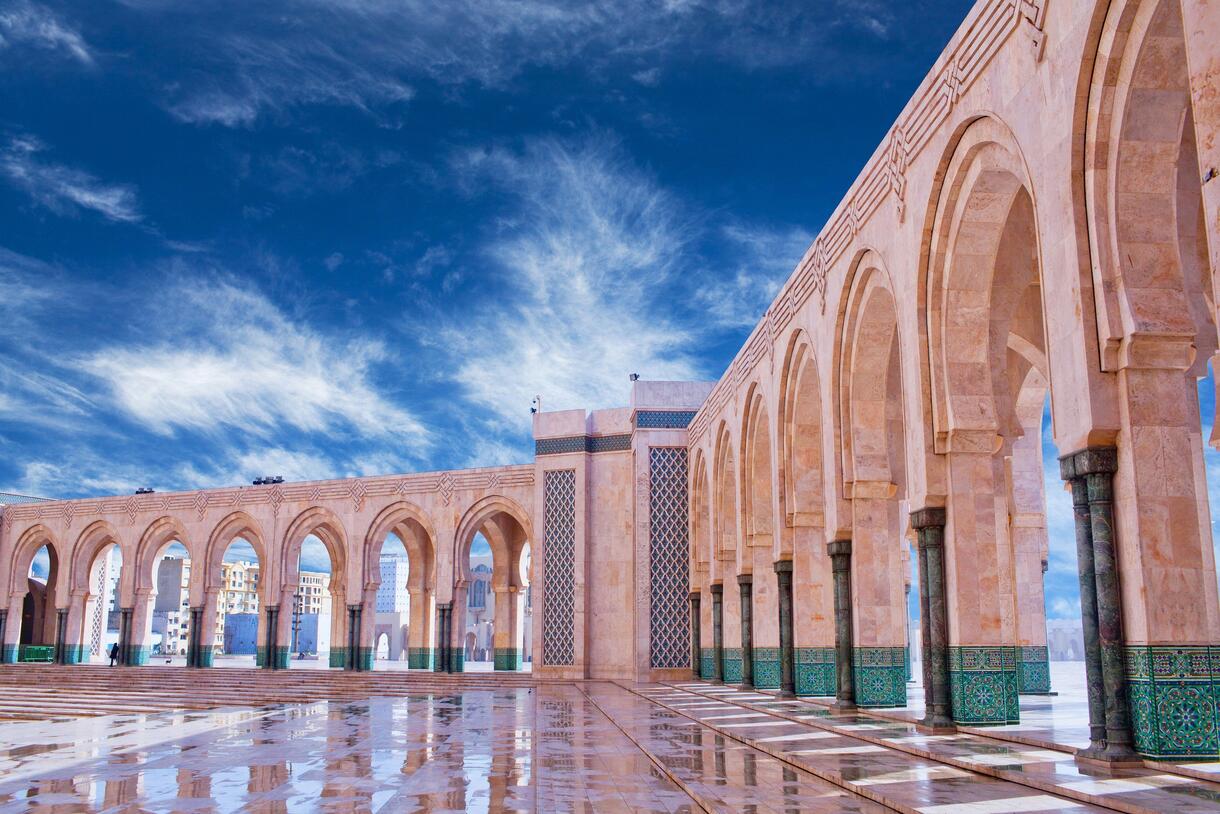
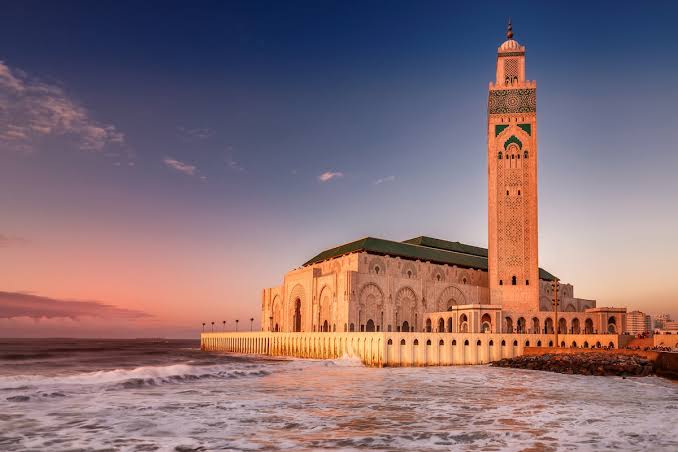
Explore Hassan II Mosque, Casablanca’s Art Deco center, Habous, the Old Medina, markets and the Atlantic Corniche while experiencing the fast-moving everyday life of modern Morocco.
Casablanca is Morocco’s Atlantic metropolis and commercial center, a working city whose appeal comes from contrast.…
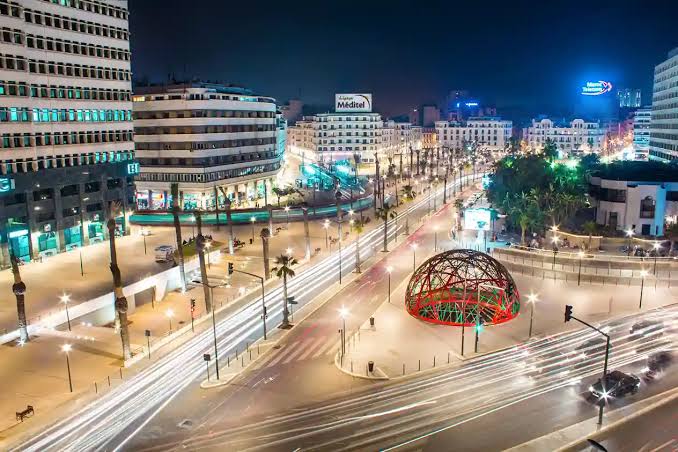
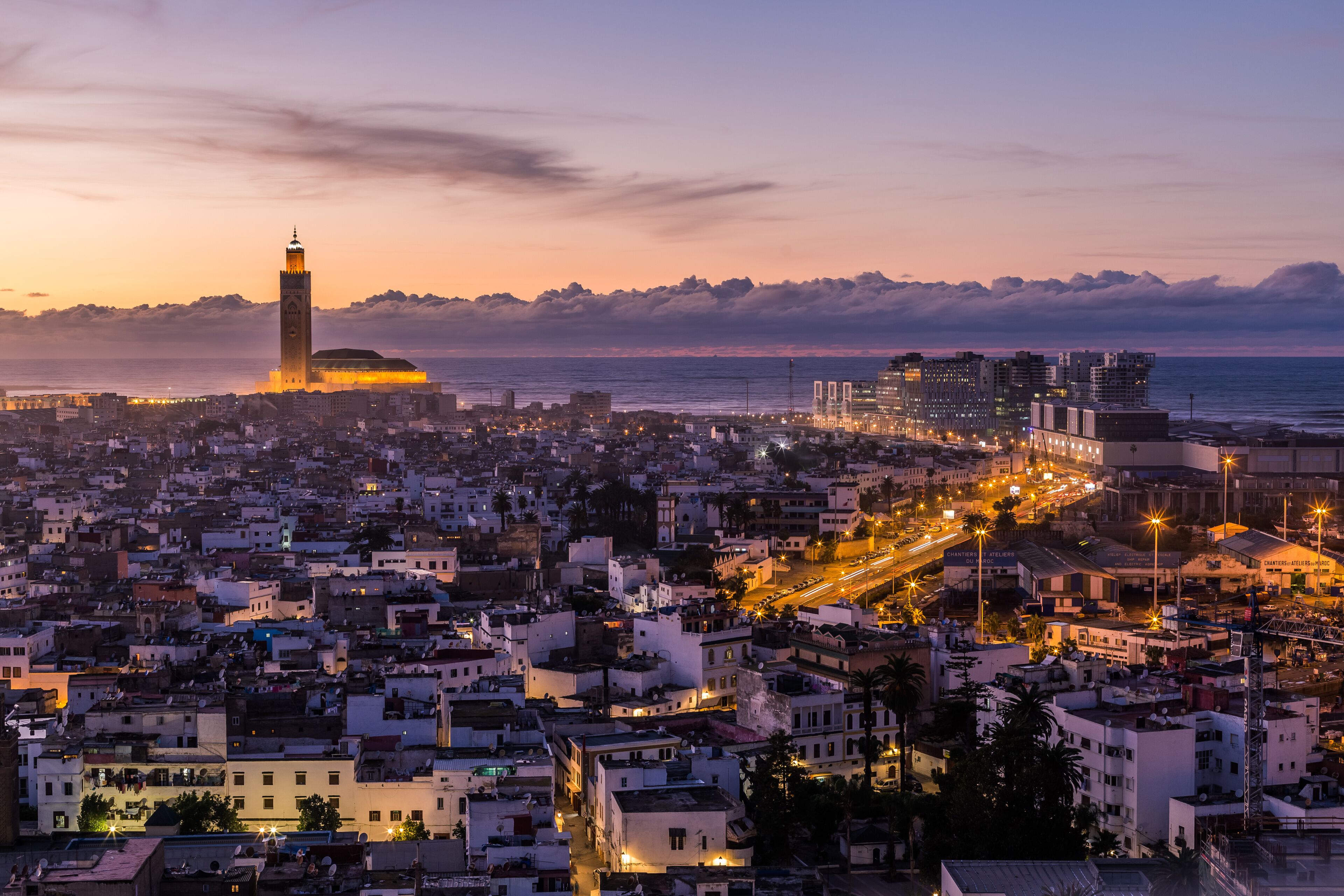
Casablanca is Morocco’s Atlantic metropolis and commercial center, a working city whose appeal comes from contrast. The monumental Hassan II Mosque rises beside the ocean, while the center mixes Art Deco and Mauresque façades, broad boulevards and landmark squares. Habous brings a planned “new medina” atmosphere, the Old Medina keeps a rougher historic texture, and the Corniche opens the city toward beaches, cafés and nightlife. Casablanca is not an old-medina-first destination like Fez or Marrakech. Its sights are spread across several districts, so it works best when explored in clusters: downtown architecture and markets, the port-side medina and mosque, Habous, then Maârif, Gauthier or Aïn Diab for contemporary city life. Tramway, busway and taxis are more useful here than trying to walk the city end to end. Two nights is a strong first visit and three gives room for museums, food, the coast and slower neighborhood time. Casablanca is also one of Morocco’s most practical arrival or departure bases thanks to Mohammed V International Airport and major ONCF rail connections. Travelers who want to understand present-day urban Morocco, not only its historic postcard cities, should give it dedicated time.
Known for
Best for
6 practical points — tap to read
Plan smarter
The full guide is here without forcing you through walls of text. Tap a card for the detail relevant to your trip.
Choose a trip length to see a realistic pace.
1 days
Start with a scheduled Hassan II Mosque visit, walk the seafront and Old Medina, then continue through United Nations Square, Mohammed V Square and the downtown Art Deco streets. Finish with dinner in Gauthier or on the Corniche.
2 days
Use day one for the mosque, Old Medina and downtown. On day two, explore Habous and the Mahkama area, browse the Central Market or Maârif, then take the tram or taxi to Aïn Diab for sunset and an evening meal.
3 days
Add the Museum of Moroccan Judaism, more architecture or gallery time, a longer food-focused neighborhood day and a relaxed Corniche afternoon. Three days lets you experience Casablanca as a lived metropolis rather than only a transport stop.
March–May and September–November are the easiest all-round periods, with mild temperatures for architecture walks and the waterfront. Summer is warm, humid and lively along the coast, while winter is generally mild but brings more rain, wind and shorter daylight. Casablanca can be visited year-round because the Atlantic moderates temperature extremes.
Casablanca has an Atlantic-influenced Mediterranean climate. Summers are warm rather than intensely hot by inland…
Casablanca has an Atlantic-influenced Mediterranean climate. Summers are warm rather than intensely hot by inland Moroccan standards, with ocean humidity and cooler evenings near the coast. Winters are mild, wetter and sometimes windy. Spring and autumn are especially comfortable for walking between city sights. A light layer is useful on the Corniche even when daytime temperatures feel warm.
March–May is one of the best periods for city walking. Days are usually mild, the light is good for architecture and…
March–May is one of the best periods for city walking. Days are usually mild, the light is good for architecture and occasional rain is still possible, especially early in the season.
June–August is warm and more humid, with the Corniche and beaches at their liveliest. Midday can feel sticky, so…
June–August is warm and more humid, with the Corniche and beaches at their liveliest. Midday can feel sticky, so combine indoor sights with mornings and evenings outside.
September–November is excellent for sightseeing and dining outdoors. Early autumn keeps a summer feel near the ocean,…
September–November is excellent for sightseeing and dining outdoors. Early autumn keeps a summer feel near the ocean, while rain becomes more likely later in the season.
December–February is mild compared with inland Europe but can be rainy, windy and cool after sunset. Bring a…
December–February is mild compared with inland Europe but can be rainy, windy and cool after sunset. Bring a waterproof layer and keep some indoor museums, cafés and markets in the plan.
Arrival & movement
Casablanca is one of Morocco’s easiest cities to reach. Mohammed V International Airport is at Nouasseur, about 30 km…
Casablanca is one of Morocco’s easiest cities to reach. Mohammed V International Airport is at Nouasseur, about 30 km from the city, and has a rail link into Casablanca. Casa Voyageurs is the main long-distance rail hub for Al Boraq and intercity services, while Casa Port is useful for the center and airport shuttle trains. Intercity coaches and major roads connect Casablanca with Rabat, El Jadida, Marrakech and the rest of the country. Always check live ONCF, airport and coach schedules for the travel date.
Casablanca is too spread out to treat as a walk-everywhere destination. As of 2026 the Casatramway network has four…
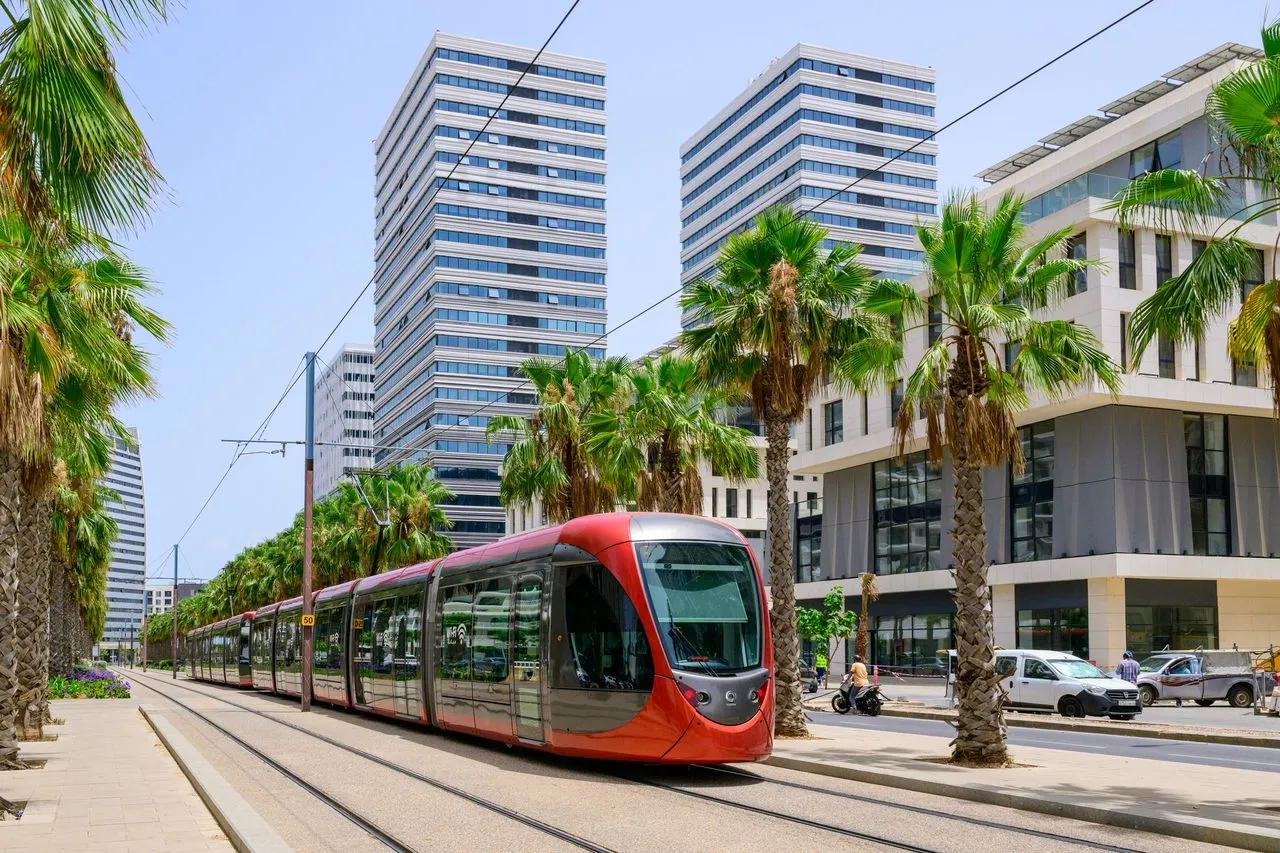
Casablanca is too spread out to treat as a walk-everywhere destination. As of 2026 the Casatramway network has four tram lines (T1–T4) plus two busway lines (BW1–BW2), making it useful for many central and cross-city trips. T2 reaches Aïn Diab Plage, T3 serves Casa Port and T4 reaches Parc de la Ligue Arabe. Red petit taxis are useful for shorter trips and ride segments that do not line up with the tram. For airport transfers or several distant stops, a pre-arranged driver can save time. Use the official Casatramway journey planner for live routing and service changes.
Mohammed V International Airport (CMN) is the city’s main airport, at Nouasseur about 30 km from Casablanca. ONCF…
Mohammed V International Airport (CMN) is the city’s main airport, at Nouasseur about 30 km from Casablanca. ONCF operates airport trains through Casa Oasis and Casa Voyageurs to Casa Port; the exact timetable can change, so verify the current schedule before travel. Taxis and pre-arranged transfers are also available. Allow generous time in rush hour because road traffic between the airport and central districts can be heavy.
Casablanca is a major ONCF rail hub. Casa Voyageurs is the key station for Al Boraq high-speed services toward Rabat,…
Casablanca is a major ONCF rail hub. Casa Voyageurs is the key station for Al Boraq high-speed services toward Rabat, Kenitra and Tangier and for many Al Atlas intercity routes. Casa Port is convenient for downtown and also receives airport shuttle trains, while Casa Oasis is useful for some southern and airport connections. Check the ticket for the exact Casablanca station because the city has several rail stops.
Intercity coaches connect Casablanca with cities across Morocco, including services from major operators such as CTM…
Intercity coaches connect Casablanca with cities across Morocco, including services from major operators such as CTM and Supratours connections. Departure terminals vary by operator and route, so confirm the exact station shown on the ticket rather than assuming every coach leaves from the same place. For late arrivals, plan the taxi or tram connection from the coach terminal to your accommodation in advance.
Casablanca is best walked neighborhood by neighborhood rather than end to end. Downtown, the Old Medina, Hassan II…
Casablanca is best walked neighborhood by neighborhood rather than end to end. Downtown, the Old Medina, Hassan II Mosque surroundings, Habous and the Corniche each reward walking, but distances between them can be several kilometers and major roads can interrupt pedestrian routes. Sidewalk quality and crossings are inconsistent, so combine walking with tram, busway or taxis and leave extra time at large junctions.
The Old Medina is partly pedestrian and its narrow inner lanes are easiest on foot. Taxis can drop travelers near the…
The Old Medina is partly pedestrian and its narrow inner lanes are easiest on foot. Taxis can drop travelers near the main gates and road edges, but not at every address inside. If staying in the medina with luggage, ask the property for the best drop-off point. Habous is more open and planned than the Old Medina, yet many of its market lanes are also more pleasant on foot.
Explore spatially
Open a marker to move from orientation to a real stay or place.
Choose your base
Choose by atmosphere and access, then compare actual stays.
Best for: Architecture, first-time sightseeing, transport
Best for: Architecture, first-time sightseeing, transport
The best base for Art Deco and Mauresque façades, landmark squares, the Central Market and easy links to Casa Port. Busy by day and practical for a short urban stay.
Best for: Historic atmosphere, markets, mosque access
Best for: Historic atmosphere, markets, mosque access
A compact historic district beside the port and within reach of Hassan II Mosque. More local and rough-edged than Morocco’s famous imperial medinas; choose accommodation carefully for comfort and luggage access.
Best for: Mosque, ocean walks, central location
Best for: Mosque, ocean walks, central location
Residential streets between the city center and the Atlantic make this useful for travelers prioritizing the mosque and seafront without staying directly on the nightlife-heavy Corniche.
Best for: Crafts, food gifts, calmer heritage walks
Best for: Crafts, food gifts, calmer heritage walks
A planned 20th-century new medina with arcades, traditional shops, bookshops and food specialties. Less chaotic than the Old Medina and easy to combine with Mahkama du Pacha surroundings.
Best for: Restaurants, cafés, nightlife, couples
Best for: Restaurants, cafés, nightlife, couples
Central modern neighborhoods with dense dining, coffee and evening options. A strong base for travelers who care more about contemporary city life than medina atmosphere.
Best for: Shopping, local city life, central transport
Best for: Shopping, local city life, central transport
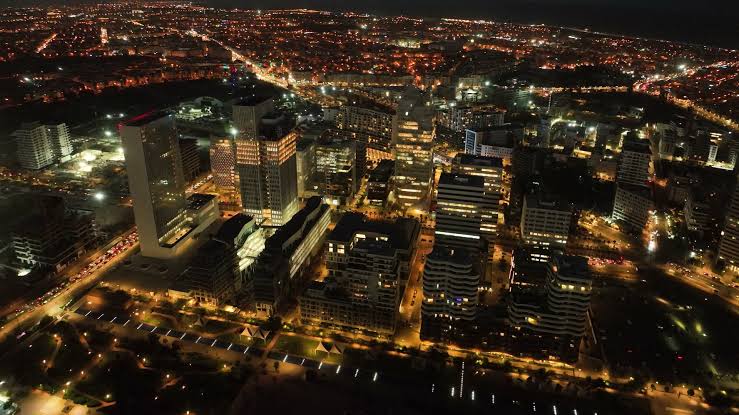
A busy commercial district around Twin Center and surrounding streets. Good for shopping, casual eating and a lived-in Casablanca feel, with easy taxi and tram connections.
Best for: Oceanfront, nightlife, beach time
Best for: Oceanfront, nightlife, beach time
The classic Atlantic leisure strip with beach access, restaurants, clubs and sunset views. It is farther from downtown heritage sights, so expect taxis or tram for sightseeing days.
Best for: Upscale stays, quieter residential atmosphere
Best for: Upscale stays, quieter residential atmosphere
A greener and more upscale western district with villas, hotels and restaurants. Good for comfort and quieter nights, but less convenient for travelers who want to step straight into historic sightseeing.
Stay in the city
Published stays will appear automatically as the inventory grows.
Explore
Visual recommendations stay visible; deeper planning information stays one tap away.
Live the city
Open the editorial cards for context; use live listings for specific places.
Casablanca has one of Morocco’s broadest urban food scenes. Traditional Moroccan restaurants sit alongside seafood,…
Casablanca has one of Morocco’s broadest urban food scenes. Traditional Moroccan restaurants sit alongside seafood, bakeries, grills, modern Moroccan cooking, international dining and specialty coffee. The Central Market area is useful for seafood and market atmosphere, while Gauthier, Racine, Maârif and the Corniche have dense restaurant choices. The city is especially good for travelers who want to compare everyday local food with contemporary Moroccan dining.
Casablanca ranges from traditional craft shopping to major retail centers. Habous is the easiest area for Moroccan…
Casablanca ranges from traditional craft shopping to major retail centers. Habous is the easiest area for Moroccan books, pastries, leather goods, textiles and craft browsing in a calmer setting; the Old Medina offers a more local market atmosphere. Maârif is strong for everyday fashion and city shopping, while Morocco Mall and Anfa Place cover large-scale modern retail. Compare prices and quality before higher-value craft purchases.
Casablanca has one of Morocco’s most developed nightlife and evening-dining scenes. The Aïn Diab Corniche is the…
Casablanca has one of Morocco’s most developed nightlife and evening-dining scenes. The Aïn Diab Corniche is the best-known zone for oceanfront restaurants, lounges and clubs, while Gauthier, Racine and central districts have bars, restaurants and live-music venues. Alcohol is served only in licensed venues. Opening hours and venue policies change, so check current listings rather than relying on old nightlife guides.
Rabat is the easiest high-value day trip, with frequent rail connections and a very different capital-city…
Rabat is the easiest high-value day trip, with frequent rail connections and a very different capital-city atmosphere. El Jadida is another strong option for its Portuguese City and Atlantic coast, and Azemmour can be paired with the same coastal direction. For a slower nearby escape, Dar Bouazza and the western coastline work better as beach or restaurant outings than as major sightseeing days. Marrakech and Fez are better treated as onward destinations than rushed same-day returns.
Useful without booking
10 practical points — tap to read
12 practical points — tap to read
Practical confidence
Open the topic you need instead of reading one long manual.
Casablanca is a large working city and most visits are trouble-free with normal urban precautions. Keep phones and…
Casablanca is a large working city and most visits are trouble-free with normal urban precautions. Keep phones and wallets secure in crowded markets, stations, tram stops and busy café terraces; avoid displaying valuables near traffic; and use licensed taxis or reputable transfer services. Take extra care when crossing wide roads because traffic can be fast and unpredictable. On the waterfront or in quieter districts after dark, use a taxi rather than walking long isolated stretches. Follow current Moroccan authority and travel-advisory guidance.
Casablanca is generally easier for travelers with mobility limitations than Morocco’s steep historic medinas, but…
Casablanca is generally easier for travelers with mobility limitations than Morocco’s steep historic medinas, but accessibility is inconsistent. Modern hotels, malls, major boulevards and parts of the tram network can be relatively straightforward, while the Old Medina, broken sidewalks, high curbs and busy road crossings can be difficult. Confirm step-free hotel access, bathroom layout and the exact accessible route at major attractions before booking. A private driver can make dispersed sightseeing much easier.
Morocco uses the Moroccan dirham (MAD). Casablanca has abundant ATMs, banks and authorized exchange offices, and…
Morocco uses the Moroccan dirham (MAD). Casablanca has abundant ATMs, banks and authorized exchange offices, and cards are accepted more widely than in many smaller Moroccan cities. Still carry cash for petit taxis, traditional markets, smaller cafés, tips and low-value purchases. Keep small notes and coins because drivers and small shops may not be able to change large bills.
Tipping is customary but usually modest. Around 5–10% is a practical restaurant reference when service is good and no…
Tipping is customary but usually modest. Around 5–10% is a practical restaurant reference when service is good and no service charge is already included. Round up small café and taxi bills when appropriate, and tip porters, guides or drivers according to service and duration. Keep small dirham notes available instead of relying on large bills.
Casablanca is one of Morocco’s most cosmopolitan cities and everyday dress is varied. For general sightseeing,…
Casablanca is one of Morocco’s most cosmopolitan cities and everyday dress is varied. For general sightseeing, comfortable city clothing is fine; for mosques and more traditional areas, choose modest clothing that covers shoulders and knees. Bring shoes suitable for long pavement walks and a light layer for wind on the Atlantic waterfront. Hassan II Mosque applies visitor dress and conduct rules, so check the current tour guidance before going.
During Ramadan, the city remains active but its rhythm changes. Many cafés and restaurants reduce daytime service,…
During Ramadan, the city remains active but its rhythm changes. Many cafés and restaurants reduce daytime service, traffic can become intense shortly before iftar and evenings grow much livelier after sunset. Avoid eating, drinking, smoking or chewing gum conspicuously in public during fasting hours out of respect for people fasting, and verify attraction, restaurant and transport hours locally.
Casablanca has strong mobile coverage and widespread 4G/5G service, with Wi-Fi common in hotels, coworking spaces,…
Casablanca has strong mobile coverage and widespread 4G/5G service, with Wi-Fi common in hotels, coworking spaces, cafés, malls and many restaurants. Local SIM cards and eSIM options are easy to arrange. Download an offline map anyway because street names can appear in Arabic and French and may have multiple spellings.
6 practical points — tap to read
9 practical points — tap to read
Police 190 · Ambulance / Fire 150 · Gendarmerie 177 For urgent help, call the appropriate emergency number. For…
Police 190 · Ambulance / Fire 150 · Gendarmerie 177 For urgent help, call the appropriate emergency number. For non-urgent visitor problems, ask your hotel or licensed accommodation to direct you to the nearest police, medical or local authority service. Casablanca is a major city with hospitals, clinics and pharmacies. Keep travel-insurance and assistance details accessible, and use your accommodation to help identify the nearest appropriate medical facility if needed.
Traveler lenses
The same destination can feel very different depending on who is traveling.
Casablanca works well for families who like a mix of landmarks and modern-city comforts. Hassan II Mosque, parks, the…
Casablanca works well for families who like a mix of landmarks and modern-city comforts. Hassan II Mosque, parks, the Corniche, shopping centers and casual restaurants offer variety, and tram travel can reduce long taxi rides. Young children need close supervision around heavy traffic and on Atlantic beaches, where waves and currents can be stronger than they appear. Choose a base with easy transport rather than trying to walk everywhere with a stroller.
Solo travelers can navigate Casablanca independently thanks to rail, tramway, taxis and a wide choice of cafés and…
Solo travelers can navigate Casablanca independently thanks to rail, tramway, taxis and a wide choice of cafés and hotels. The main challenge is big-city scale rather than orientation inside a maze-like medina. Keep valuables secure on crowded transport, use a taxi for long late-night transfers and save accommodation and station pins offline. Solo diners are common in casual cafés and modern restaurants.
Casablanca suits couples who enjoy architecture, restaurants and contemporary city energy more than a quiet romantic…
Casablanca suits couples who enjoy architecture, restaurants and contemporary city energy more than a quiet romantic medina. Combine a guided Hassan II Mosque visit with Art Deco streets, sunset on the Corniche and dinner in Gauthier, Racine or Aïn Diab. Upscale hotels and oceanfront venues make it a strong start or finish to a wider Morocco trip.
Traveler questions
Two days covers the main mosque, downtown, Habous and the waterfront at a comfortable pace. Three days is better if…
Two days covers the main mosque, downtown, Habous and the waterfront at a comfortable pace. Three days is better if you want museums, food, shopping and more neighborhood time.
Yes if you want monumental architecture, modern Moroccan city life, strong food and nightlife, and an Atlantic…
Yes if you want monumental architecture, modern Moroccan city life, strong food and nightlife, and an Atlantic metropolis rather than another medieval-medina experience. It is especially rewarding for architecture and urban-culture travelers.
March–May and September–November are the easiest periods for walking. Summer is warm and humid but lively on the…
March–May and September–November are the easiest periods for walking. Summer is warm and humid but lively on the coast; winter is mild with more rain and wind.
Mohammed V International Airport (CMN) at Nouasseur, about 30 km from the city center.
Mohammed V International Airport (CMN) at Nouasseur, about 30 km from the city center.
ONCF airport trains run through Casa Oasis and Casa Voyageurs toward Casa Port, and taxis or pre-arranged transfers…
ONCF airport trains run through Casa Oasis and Casa Voyageurs toward Casa Port, and taxis or pre-arranged transfers are also available. Check the current timetable and allow extra road time in rush hour.
Casa Voyageurs is the main long-distance hub, Casa Port is convenient for downtown and airport trains, and Casa Oasis…
Casa Voyageurs is the main long-distance hub, Casa Port is convenient for downtown and airport trains, and Casa Oasis is useful for some airport and southern connections. Always check the station printed on your ticket.
Individual districts are walkable, but the city is too spread out for sightseeing entirely on foot. Combine walking…
Individual districts are walkable, but the city is too spread out for sightseeing entirely on foot. Combine walking with tramway, busway and taxis.
Non-Muslim visitors are generally admitted to the interior through scheduled guided visits outside prayer use. Tour…
Non-Muslim visitors are generally admitted to the interior through scheduled guided visits outside prayer use. Tour times and rules can change, so verify the mosque’s current visitor schedule before going.
Most visits are trouble-free. Use normal big-city precautions with valuables, crowded transport and late-night…
Most visits are trouble-free. Use normal big-city precautions with valuables, crowded transport and late-night walking, and take care at busy road crossings.
Choose downtown for architecture and transport, Gauthier or Racine for dining, Aïn Diab for oceanfront nightlife,…
Choose downtown for architecture and transport, Gauthier or Racine for dining, Aïn Diab for oceanfront nightlife, Habous for a calmer heritage feel, or Anfa for upscale quieter accommodation.
Yes. Aïn Diab is the best-known nightlife zone, with additional restaurants, bars and evening venues in Gauthier,…
Yes. Aïn Diab is the best-known nightlife zone, with additional restaurants, bars and evening venues in Gauthier, Racine and central neighborhoods. Alcohol is limited to licensed venues.
Yes, but Atlantic surf and currents can be strong. Use supervised areas when possible, follow local safety flags and…
Yes, but Atlantic surf and currents can be strong. Use supervised areas when possible, follow local safety flags and do not assume calm-looking water is risk-free.
We keep lighter-coverage cities public for practical destination information and mapped routes, without presenting them as equally bookable.
Go beyond the city
These routes are ranked by whether they start, finish or stop in Casablanca, then by their mapped distance from the city. Distant tours are not forced into the list.
 3 days / 2 nights
A northern Morocco circuit combining Tétouan’s Andalusian character, the Mediterranean coast at M’diq and the mountain reservoir landscape around Smir.
Tétouan · M’diq · Barrage Smir
 3 days / 2 nights
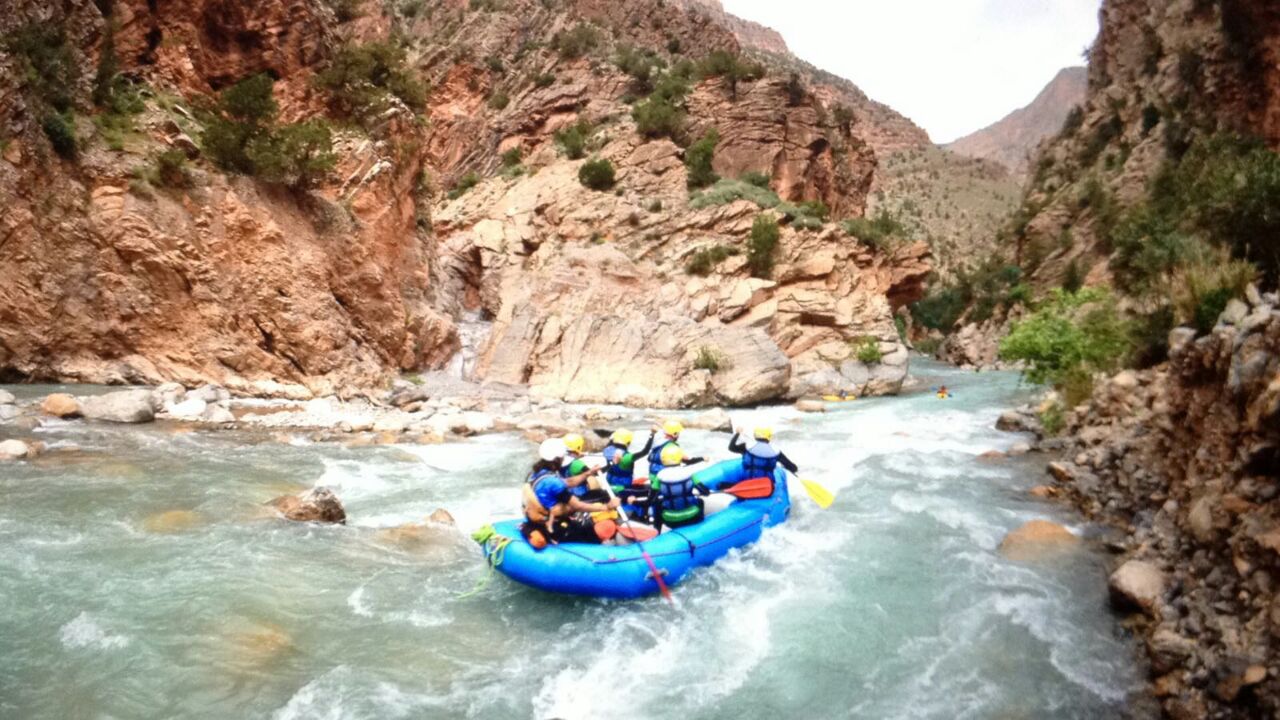
A Middle Atlas nature circuit linking the dramatic Cathedral rock landscape, Oued Ahansal valleys and the lake country around Bin El Ouidane.
Rabat · Casablanca · Imsfrane · La Cathédrale · Oued Ahansal
 3 days / 2 nights
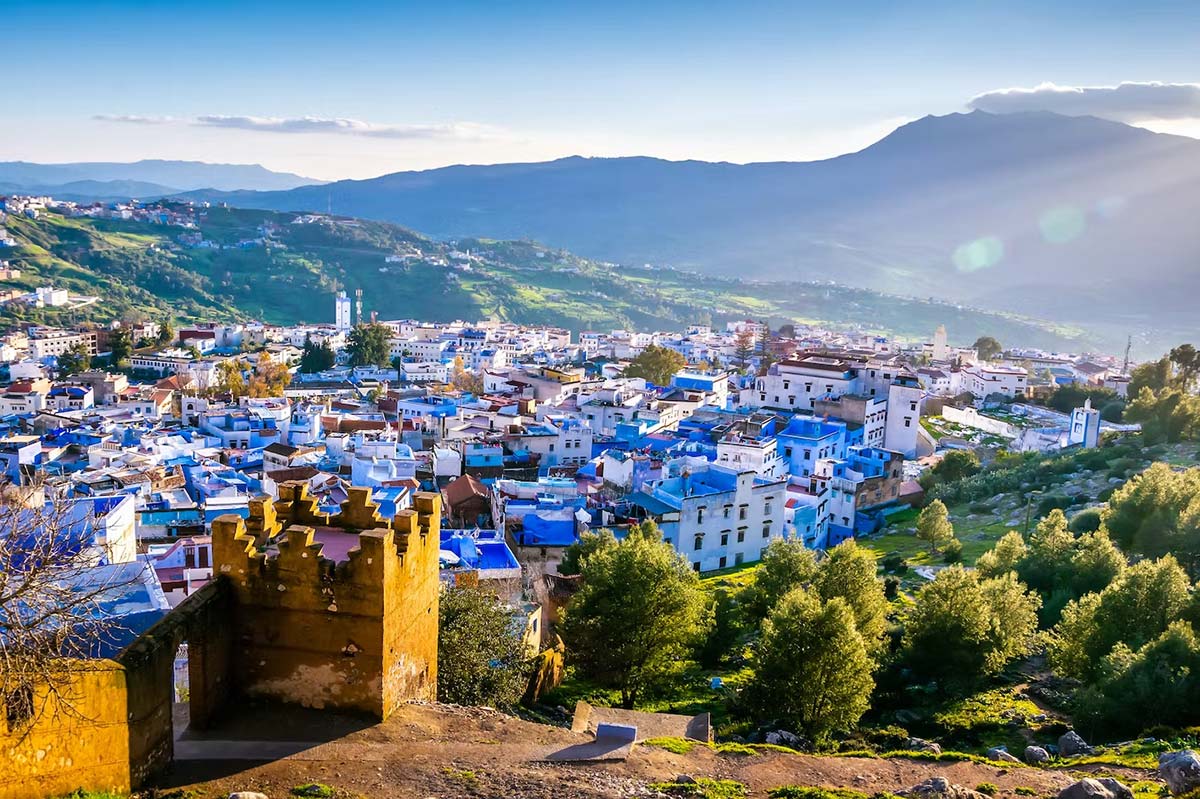
A three-day cultural route linking Casablanca, Rabat, Fès and the blue-washed mountain town of Chefchaouen.
Marrakech · Casablanca · Rabat · Fès · Chefchaouen
From Casablanca
The city shop is ready for curated artisan products. Inventory will appear as Ask Morocco verifies sellers and fulfillment.